
Modern startups are building powerful mobile applications without maintaining large in-house development teams. Instead, they leverage outsourcing partners, remote development teams, specialized agencies, and flexible development models to bring their ideas to life quickly and efficiently.
One of the most popular strategies among early-stage startups is partnering with experienced development companies like App Developers India. These companies provide full-cycle mobile app development services, allowing startups to access experienced developers, designers, and product strategists without the long-term commitment of building an internal engineering department.
In this guide, we will explore how startups successfully build and launch mobile applications without hiring full-time engineers, what development models they use, and why outsourcing has become one of the most effective strategies for startup growth.
The Challenges Startups Face When Hiring In-House Engineers
Hiring a full in-house development team is one of the biggest challenges startups face. While having internal engineers offers control and long-term scalability, the costs and operational complexity can overwhelm early-stage companies.
Major Challenges of Hiring In-House Developers
| Challenge | Description |
|---|---|
| High Hiring Costs | Recruiting experienced developers requires significant salary budgets, recruitment costs, and benefits. |
| Time-Consuming Hiring Process | Finding skilled engineers can take months, delaying product development and market entry. |
| Infrastructure Expenses | Startups must invest in office space, tools, software licenses, and equipment. |
| Management Complexity | Managing developers requires technical leadership and project management expertise. |
| Scaling Limitations | Expanding a team quickly can be difficult when product demand increases. |
Because of these challenges, many startups now choose flexible development strategies that allow them to launch products quickly while keeping operational costs under control.
How Startups Build Apps Without In-House Engineers

Startups today rely on a variety of development models that eliminate the need for permanent engineering teams. These approaches allow companies to access world-class development talent without the overhead of traditional hiring.
Common Development Approaches Used by Startups
- Outsourcing mobile app development to specialized agencies
- Hiring dedicated remote developers
- Using no-code or low-code platforms
- Partnering with startup-focused development companies
- Building Minimum Viable Products (MVPs) with external teams
Among these strategies, outsourcing to experienced mobile app development companies has proven to be the most scalable and reliable option for startups.
Why Outsourcing App Development Works for Startups
Outsourcing development allows startups to focus on business strategy, marketing, and product growth while experienced developers handle the technical execution.
Key Benefits of Outsourcing Development
| Benefit | Impact on Startups |
|---|---|
| Lower Development Costs | Startups avoid long-term salaries and pay only for development work required. |
| Access to Experienced Developers | Professional agencies provide teams with expertise in multiple technologies. |
| Faster Development Time | Experienced teams can build products much faster than newly hired engineers. |
| Scalable Development Teams | Development teams can be expanded or reduced based on project requirements. |
| Technical Expertise | Outsourcing partners bring product strategy, UI/UX design, and architecture experience. |
This model allows startups to develop enterprise-level applications without the burden of managing internal engineering teams.
The Role of MVP Development in Startup Success

Most successful startups begin by launching a Minimum Viable Product (MVP). An MVP is a simplified version of an application that includes only the essential features needed to validate a business idea.
Developing an MVP allows startups to test their concept with real users before investing heavily in full-scale development.
Advantages of Building an MVP
- Lower initial development cost
- Faster product launch
- Ability to validate business ideas
- Early user feedback
- Reduced financial risk
Outsourced development teams are particularly effective for MVP development because they can build and launch early versions of products quickly.
Technologies Used by Startup App Development Teams
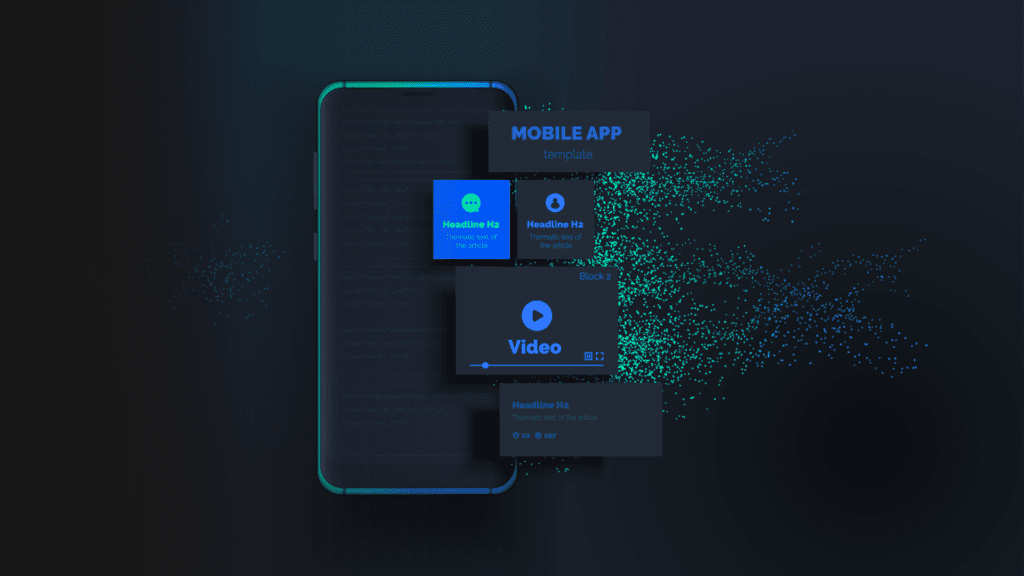
Modern app development technologies allow startups to build scalable applications efficiently. Development companies use powerful frameworks and cloud infrastructure to create high-performance apps.
| Technology | Purpose |
|---|---|
| React Native | Cross-platform mobile app development |
| Flutter | High-performance mobile UI framework |
| Node.js | Backend API development |
| Laravel | Secure web application backend |
| AWS / Google Cloud | Scalable cloud infrastructure |
| Firebase | Real-time databases and authentication |
These technologies allow development teams to build reliable applications that can scale as startup businesses grow.
Cost Comparison: In-House vs Outsourced Development
Understanding the cost difference between internal development and outsourcing is crucial for startup founders.
| Development Model | Estimated Monthly Cost | Advantages |
|---|---|---|
| In-House Engineering Team | $25,000 – $60,000+ | Full control and internal expertise |
| Freelance Developers | $5,000 – $15,000 | Lower cost but limited reliability |
| Outsourced Development Agency | $8,000 – $25,000 | Professional teams with structured processes |
For most startups, working with an experienced development partner provides the best balance between cost, quality, and scalability.
Key Steps Startups Follow to Build Apps Successfully

1. Validate the App Idea
Before development begins, startups conduct market research to ensure there is demand for the product.
2. Define Core Features
Only essential features are included in the initial MVP to reduce development time and costs.
3. Choose the Right Development Partner
Selecting an experienced development company is critical to ensuring product quality and scalability.
4. Design User-Centered UI/UX
User experience plays a major role in app adoption and long-term growth.
5. Launch and Gather Feedback
Startups release their MVP to early adopters and improve the product based on user feedback.
6. Scale the Product
Once the product is validated, startups expand features and scale their platform.
Industries Where Startups Are Building Apps Rapidly
Mobile apps are being developed across multiple industries where startups are disrupting traditional markets.
- Healthcare and telemedicine
- Fintech and digital payments
- Food delivery and logistics
- Fitness and health tracking
- Online education platforms
- E-commerce marketplaces
- On-demand service apps
Startups across these industries rely heavily on external development partners to accelerate product development.
Why Experienced Development Partners Matter

A strong development partner does more than just write code. They help startups design scalable architecture, improve user experience, and ensure product stability.
Experienced teams also provide valuable insights into product design, monetization strategies, security best practices, and performance optimization.
Build Your Startup App with Expert Developers
If you are planning to launch a mobile app for your startup, working with an experienced development team can significantly reduce your development time and costs. Our team helps startups design, develop, and launch scalable mobile applications tailored to their business goals.
From MVP development to full-scale product engineering, we provide end-to-end mobile app development services to help startups succeed in competitive digital markets.
Contact us today to start building your app:
📧 Email: [email protected]
📱 WhatsApp: +91 95869 79730
Conclusion
Startups no longer need large internal engineering teams to build successful mobile applications. With the rise of outsourcing, remote development teams, and flexible development models, entrepreneurs can launch high-quality apps faster and at a lower cost.
By partnering with experienced development companies, startups gain access to skilled engineers, proven development processes, and advanced technologies that accelerate product development.
As the startup ecosystem continues to evolve, outsourcing app development will remain one of the most effective strategies for launching innovative digital products without the complexity of managing large engineering teams.
Blog ID: 1089Author: parth
Date: 13-03-2026
We to code. It's our passion






you can also reach us at our given
email address or phone number.