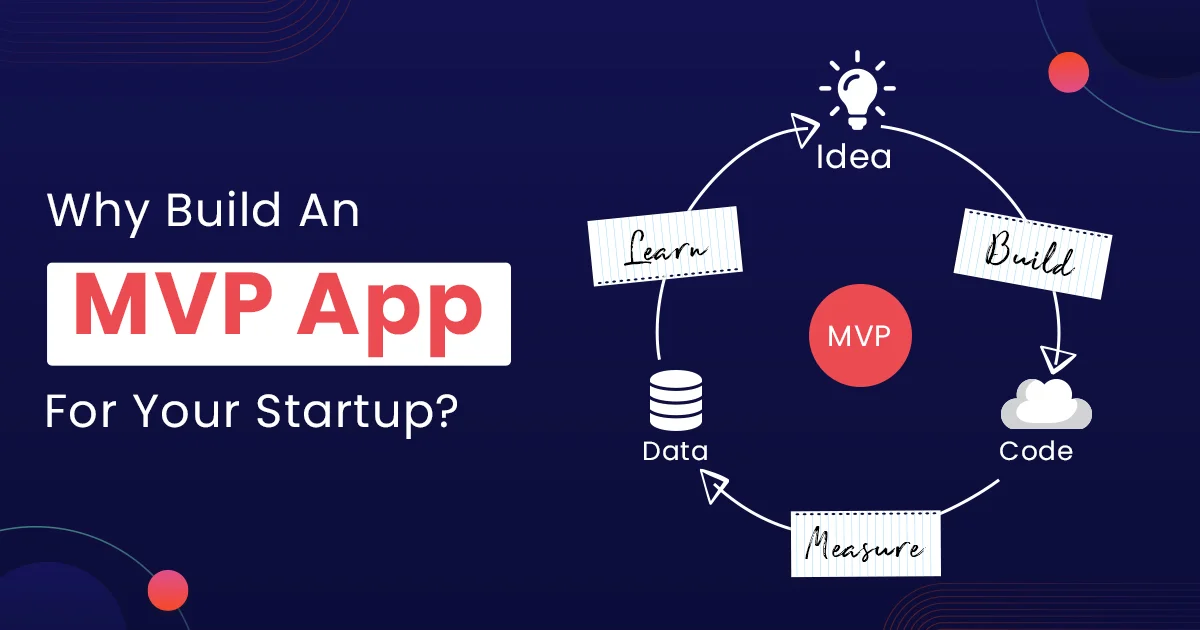
Launching a successful Android app isn’t just about having a great idea—it’s about validating that idea in the real world. For startups, this validation process is critical. Without it, businesses risk investing time, money, and resources into products that may never gain traction.
This is where Minimum Viable Product (MVP) development becomes a game-changer. By focusing on core features and releasing early, startups can test assumptions, gather user feedback, and refine their apps before scaling.
If you're looking to validate your mobile product idea efficiently, explore our Mvp android app devlopment to understand how a strategic MVP approach can accelerate your startup success.
What is an MVP in Android App Development?
An MVP (Minimum Viable Product) is the simplest version of an Android application that includes only the essential features required to solve a specific problem for users. The goal is not perfection—but validation.
An MVP allows startups to:
- Test core assumptions
- Launch quickly
- Minimize development costs
- Gather real-world feedback
Instead of building a full-featured application upfront, startups focus on delivering value quickly and iterating based on user insights.
Why MVP Validation is Crucial for Startups
Many startups fail because they build products that users don’t need. MVP development helps avoid this by ensuring that every feature is backed by real user demand.
| Challenge | Without MVP | With MVP |
|---|---|---|
| Market Validation | Assumption-based | Data-driven |
| Development Cost | High upfront | Optimized |
| Time to Market | Slow | Fast |
| Risk Level | High | Reduced |
| User Feedback | Late | Early & continuous |
This approach ensures startups invest in ideas that have proven demand.
How MVP Releases Help Validate Android App Ideas
1. Testing Core Value Proposition
The MVP focuses on solving one key problem. If users find value in that solution, the idea is validated.
2. Gathering Real User Feedback
Instead of relying on assumptions, startups get insights directly from users. This feedback helps refine features and improve usability.
3. Measuring User Behavior
Analytics tools track how users interact with the app, revealing what works and what doesn’t.
4. Identifying Market Demand
An MVP helps determine whether there is genuine demand for the product before scaling.
5. Reducing Financial Risk
By investing only in essential features initially, startups minimize potential losses.
Step-by-Step MVP Validation Process
| Stage | Action | Outcome |
|---|---|---|
| Idea Definition | Identify problem & target audience | Clear concept |
| Market Research | Analyze competitors & demand | Validated opportunity |
| Feature Prioritization | Select core features | Focused MVP scope |
| Development | Build MVP app | Launch-ready product |
| Launch | Release to early users | Initial traction |
| Feedback & Iteration | Improve based on data | Refined product |
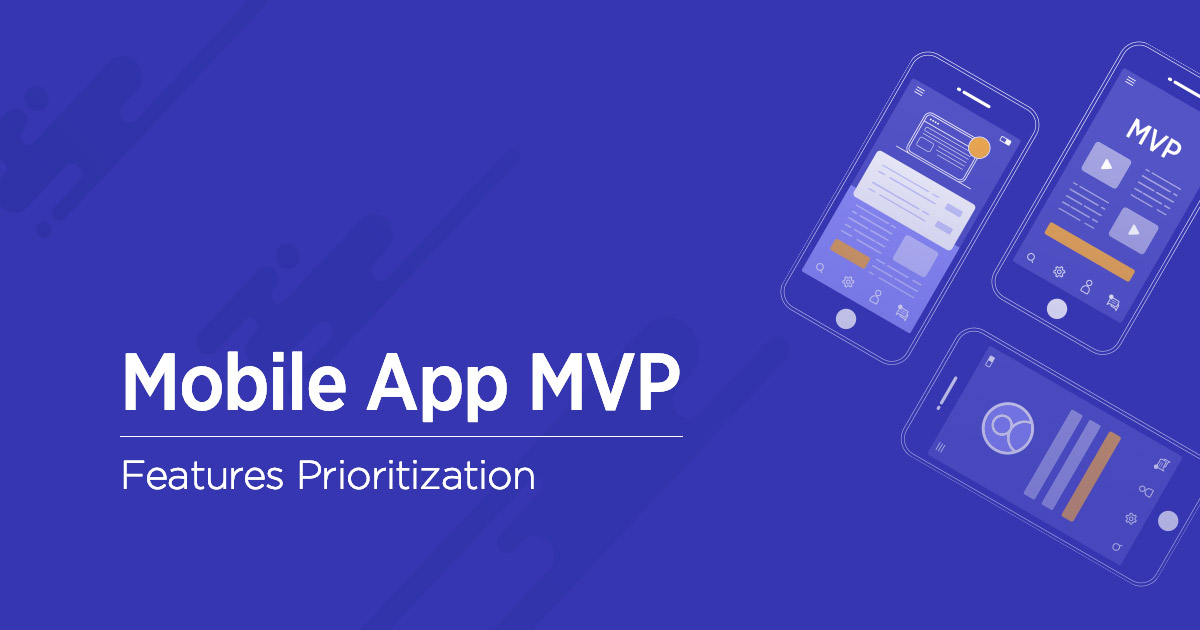
Key Features of a Successful Android MVP
- Core functionality only
- Simple and intuitive UI
- Fast performance
- Scalable architecture
- Basic analytics integration
A successful MVP is not feature-rich—it is value-driven.
Common MVP Types for Android Startups
| MVP Type | Description | Use Case |
|---|---|---|
| Single Feature MVP | Focus on one core feature | Testing key idea |
| Wizard of Oz MVP | Manual backend processes | Testing user experience |
| Prototype MVP | Clickable design prototype | Early validation |
| Incremental MVP | Build in stages | Gradual scaling |
Benefits of MVP-Based Android Development
1. Faster Time-to-Market
Startups can launch within weeks instead of months.
2. Cost Efficiency
Reduced development costs by focusing on essentials.
3. Better Product Decisions
Data-driven improvements lead to better outcomes.
4. Investor Confidence
A validated MVP increases chances of funding.
5. Scalability
Build a strong foundation for future growth.
Tools for MVP Validation
| Category | Tools | Purpose |
|---|---|---|
| Analytics | Firebase Analytics | User behavior tracking |
| Design | Figma, Adobe XD | UI/UX prototyping |
| Testing | TestFlight alternatives, Beta testing | User feedback |
| Project Management | Jira, Trello | Workflow tracking |
Common Mistakes to Avoid
- Adding too many features
- Ignoring user feedback
- Delaying launch
- Lack of clear goals
- Overcomplicating design
Real-World MVP Success Strategy
Many successful apps started as MVPs. The key was launching early, learning quickly, and improving continuously.
Startups that embrace MVP validation are more likely to build products that truly resonate with users.
When Should You Build an MVP?
You should consider MVP development if:
- You have a new app idea
- You want to test market demand
- You have limited budget
- You need quick validation
Future of MVP Development in Android
- AI-driven analytics
- Faster prototyping tools
- Cloud-based development
- No-code integrations
These advancements will make MVP validation even faster and more effective.
Conclusion
MVP development is one of the most effective strategies for startups to validate Android app ideas. By focusing on core features, launching early, and continuously improving based on feedback, startups can reduce risks and increase their chances of success.
In a competitive market, speed and adaptability are key—and MVP releases provide both.
Validate Your Android App Idea Today
Ready to turn your idea into a validated Android product?
Contact Developers App India BM Coder:
📧 Email: [email protected]
📱 WhatsApp: +91 9586979730
Let’s build and validate your MVP faster, smarter, and with confidence.
Blog ID: 1312Author: parth
Date: 28-03-2026
We to code. It's our passion










you can also reach us at our given
email address or phone number.