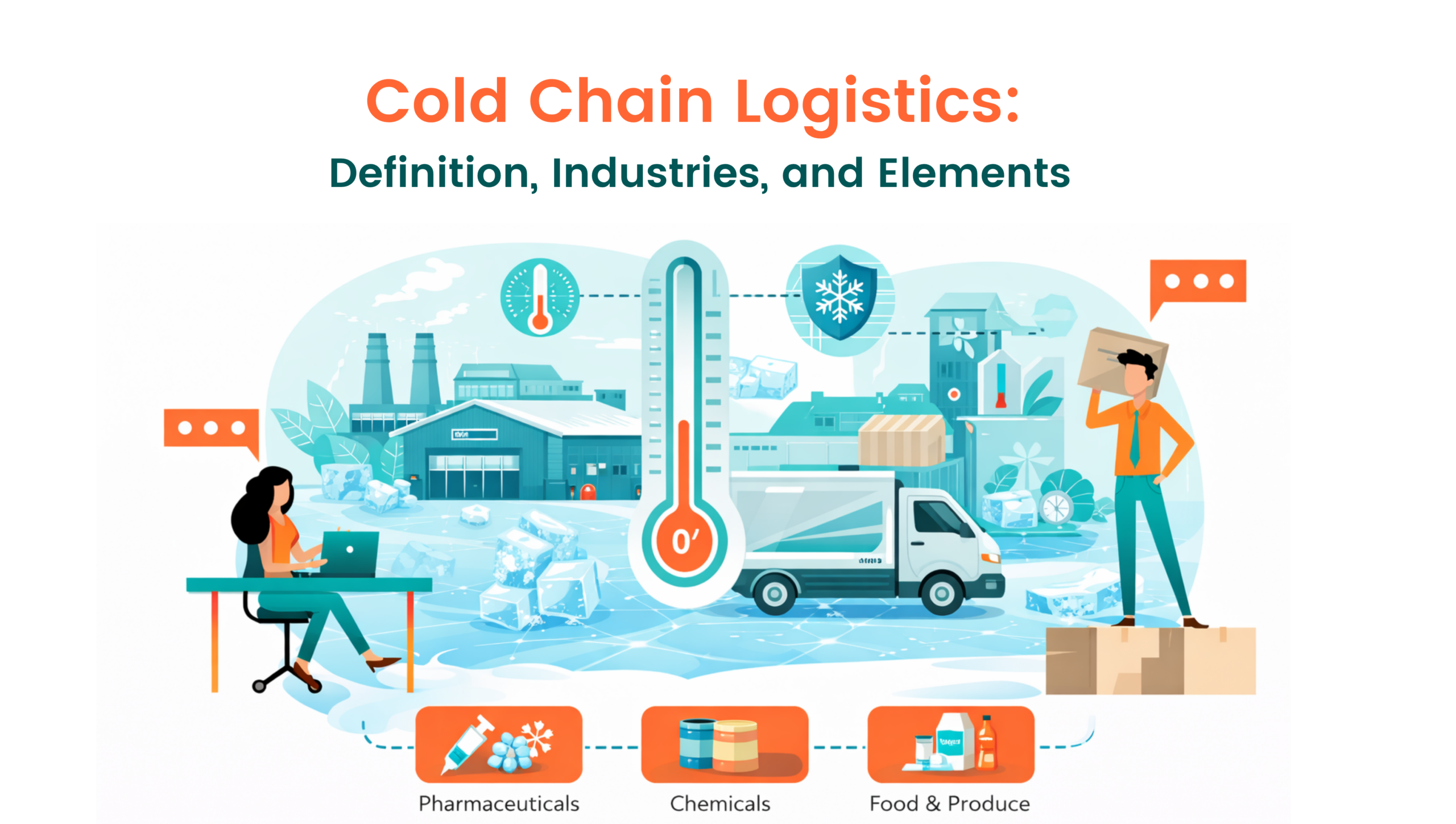
In today’s global supply chain, maintaining product quality during transportation is more critical than ever. Industries such as pharmaceuticals, food and beverages, chemicals, and biotechnology rely heavily on temperature-controlled logistics to ensure that products reach their destination in optimal condition. Even minor temperature fluctuations can compromise product integrity, leading to financial losses and potential health risks.
To address these challenges, companies are increasingly investing in advanced cold chain logistics app development that enable real-time monitoring, automation, and data-driven decision-making. These platforms form the backbone of modern temperature-controlled logistics, ensuring product safety at every stage of the journey.
What is Temperature-Controlled Logistics?
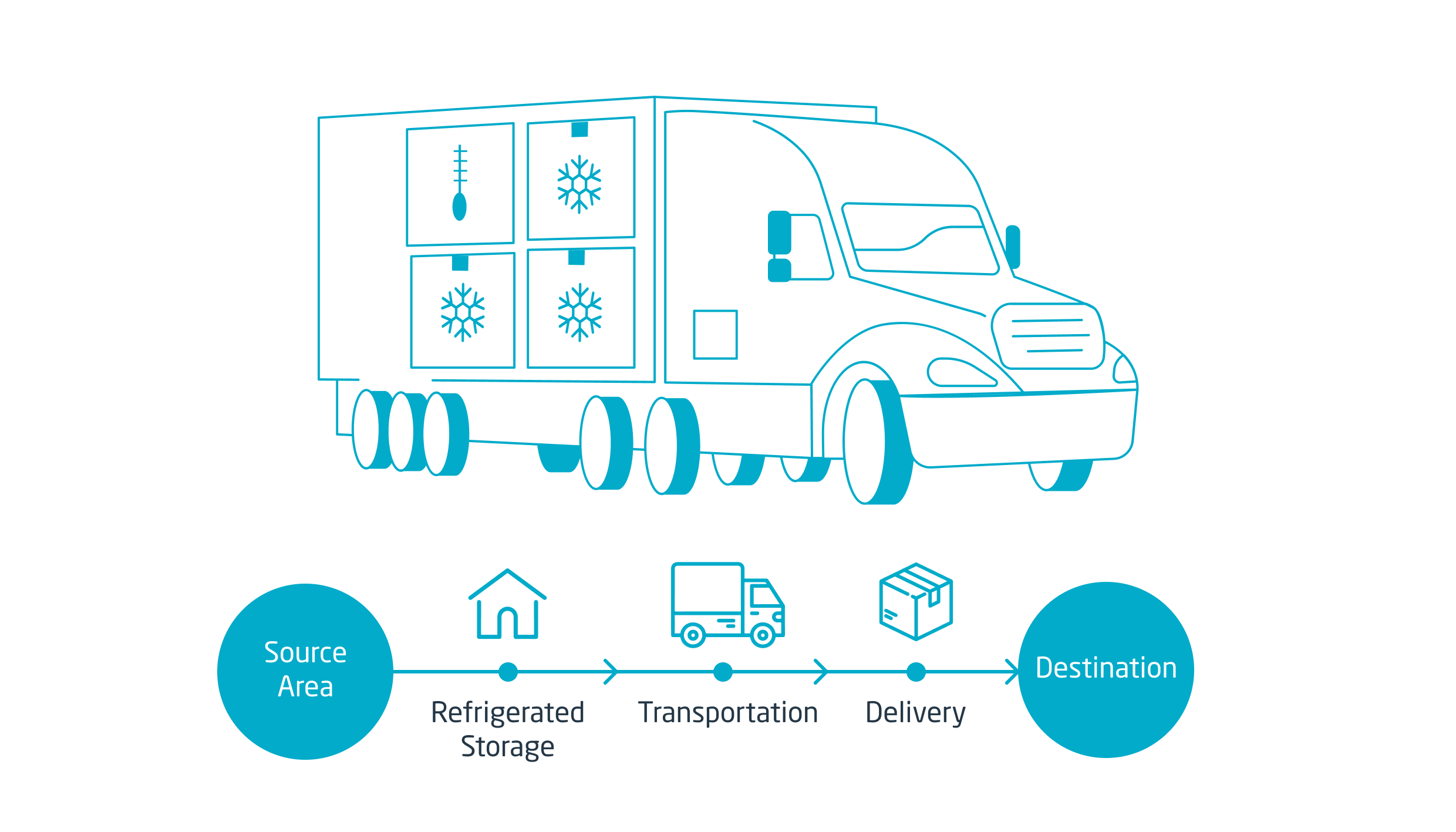
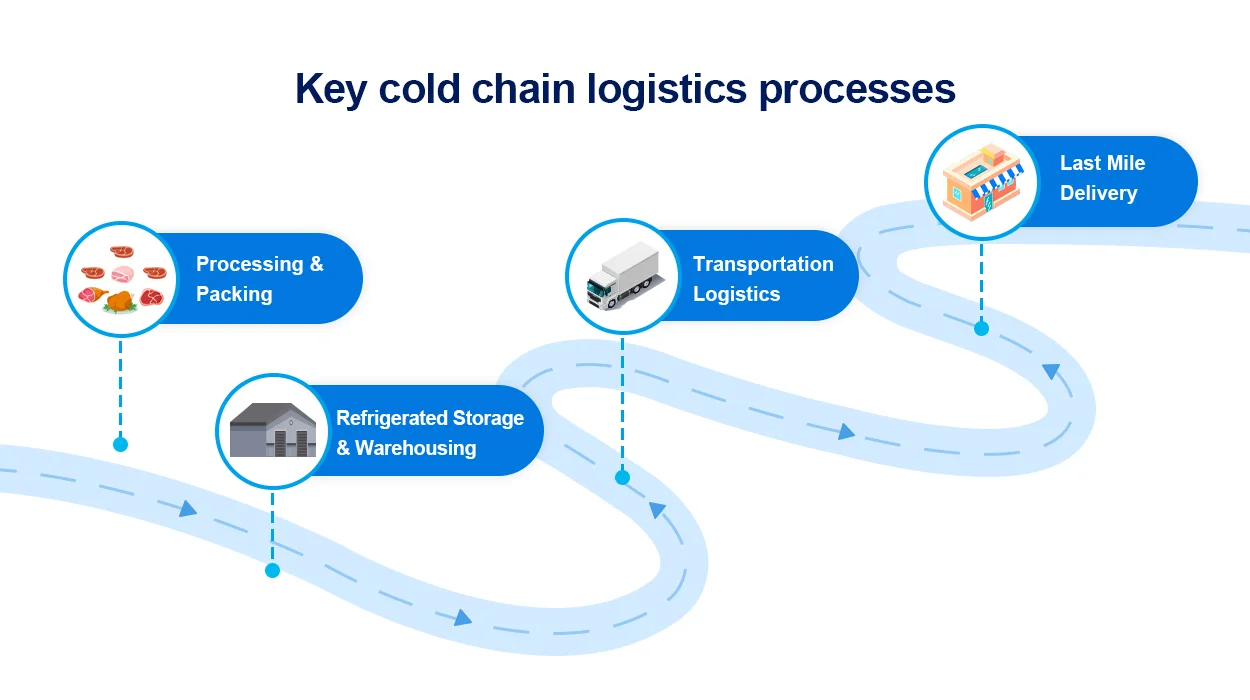
Temperature-controlled logistics, often referred to as cold chain logistics, involves the transportation and storage of temperature-sensitive products within a predefined temperature range. This process requires specialized equipment, technologies, and systems to maintain consistent conditions from origin to destination.
The cold chain typically includes refrigerated warehouses, temperature-controlled vehicles, and monitoring systems that track environmental conditions throughout the supply chain.
Importance of Product Safety in Cold Chain Logistics
Product safety is the primary objective of temperature-controlled logistics. A failure in maintaining the required temperature can result in:
- Spoilage of perishable goods
- Loss of efficacy in pharmaceutical products
- Regulatory non-compliance
- Damage to brand reputation
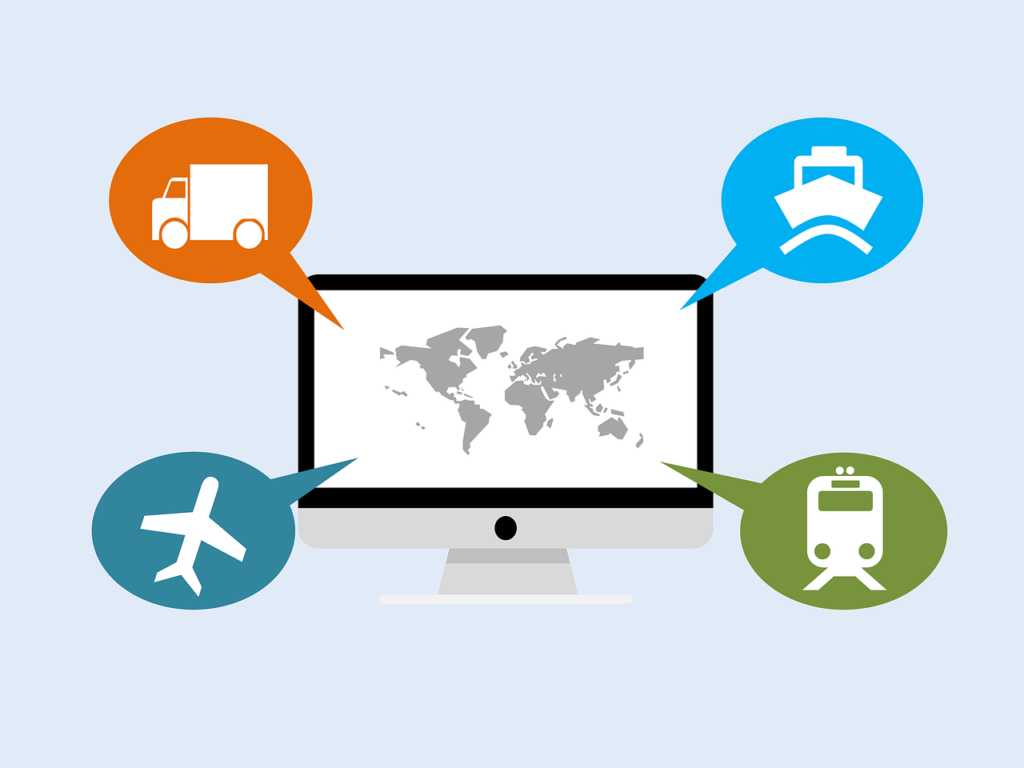
Digital logistics platforms play a crucial role in preventing these issues by providing real-time visibility and control over the entire supply chain.
Key Challenges in Temperature-Controlled Logistics
| Challenge | Description | Impact |
|---|---|---|
| Temperature Fluctuations | Inconsistent cooling during transit | Product spoilage |
| Lack of Visibility | No real-time monitoring | Delayed issue detection |
| Equipment Failure | Refrigeration breakdowns | Supply chain disruption |
| Regulatory Compliance | Strict industry standards | Legal penalties |
How Digital Platforms Ensure Product Safety
1. Real-Time Temperature Monitoring
Modern logistics platforms use IoT sensors to continuously monitor temperature conditions. These sensors provide real-time data, allowing companies to take immediate action if deviations occur.
2. Automated Alerts and Notifications
When temperature thresholds are breached, automated alerts are sent to relevant stakeholders. This ensures quick response and minimizes damage.
3. Data Logging and Reporting
Digital platforms maintain detailed logs of temperature data, which can be used for compliance and auditing purposes.
4. Route Optimization for Temperature Stability
Efficient route planning reduces transit time, minimizing the risk of temperature fluctuations.
Core Components of Cold Chain Logistics Platforms
| Component | Function | Benefit |
|---|---|---|
| IoT Sensors | Monitor temperature and humidity | Real-time visibility |
| Cloud Platform | Stores and processes data | Scalability and accessibility |
| Mobile Applications | Enable remote monitoring | Improved operational control |
| Analytics Dashboard | Provides insights and reports | Better decision-making |
Ensure Product Safety with Smart Cold Chain Solutions
Build a reliable temperature-controlled logistics platform tailored to your business.
Email: [email protected]
WhatsApp: +91 9586979730
Technologies Powering Temperature-Controlled Logistics
Internet of Things (IoT)
IoT devices play a central role in monitoring environmental conditions. They provide real-time updates and ensure transparency across the supply chain.
Cloud Computing
Cloud platforms enable centralized data management, allowing stakeholders to access information from anywhere.
Artificial Intelligence (AI)
AI helps predict potential risks, optimize routes, and improve overall efficiency in cold chain logistics.
Blockchain Technology
Blockchain ensures data integrity and transparency, making it easier to track and verify product conditions.
Industry Applications of Cold Chain Logistics
- Pharmaceuticals: Ensures safe transportation of vaccines and medicines
- Food & Beverage: Maintains freshness of perishable items
- Chemicals: Prevents hazardous reactions due to temperature changes
- Biotechnology: Protects sensitive biological materials
Best Practices for Maintaining Product Safety
| Practice | Description |
|---|---|
| Pre-Cooling | Ensure products are at required temperature before transport |
| Regular Equipment Maintenance | Prevent refrigeration failures |
| Staff Training | Educate employees on handling procedures |
| Continuous Monitoring | Track temperature throughout the journey |
Benefits of Temperature-Controlled Logistics Platforms
- Reduced product loss and waste
- Improved compliance with regulations
- Enhanced customer trust and satisfaction
- Better operational efficiency
- Real-time visibility and control
Future Trends in Cold Chain Logistics
| Trend | Description | Impact |
|---|---|---|
| Smart Sensors | Advanced monitoring devices | Higher accuracy |
| AI-Driven Analytics | Predictive insights | Improved decision-making |
| Automation | Reduced manual intervention | Increased efficiency |
Build Future-Ready Cold Chain Platforms
Partner with experts to develop scalable and secure logistics solutions.
Email: [email protected]
WhatsApp: +91 9586979730
Steps to Develop a Cold Chain Logistics Platform
| Step | Description |
|---|---|
| Requirement Analysis | Identify business needs and challenges |
| System Design | Plan architecture and features |
| Development | Build the platform with required functionalities |
| Integration | Connect with IoT devices and existing systems |
| Testing | Ensure reliability and accuracy |
| Deployment | Launch and monitor performance |
Conclusion
Temperature-controlled logistics platforms are essential for ensuring product safety in today’s complex supply chains. By leveraging advanced technologies such as IoT, AI, and cloud computing, businesses can maintain optimal conditions and prevent product damage.
Investing in cold chain logistics app development not only enhances operational efficiency but also ensures compliance and customer satisfaction. As industries continue to evolve, the role of digital platforms in maintaining product safety will become even more critical.
Blog ID: 1453Author: parth
Date: 17-04-2026
We to code. It's our passion








you can also reach us at our given
email address or phone number.