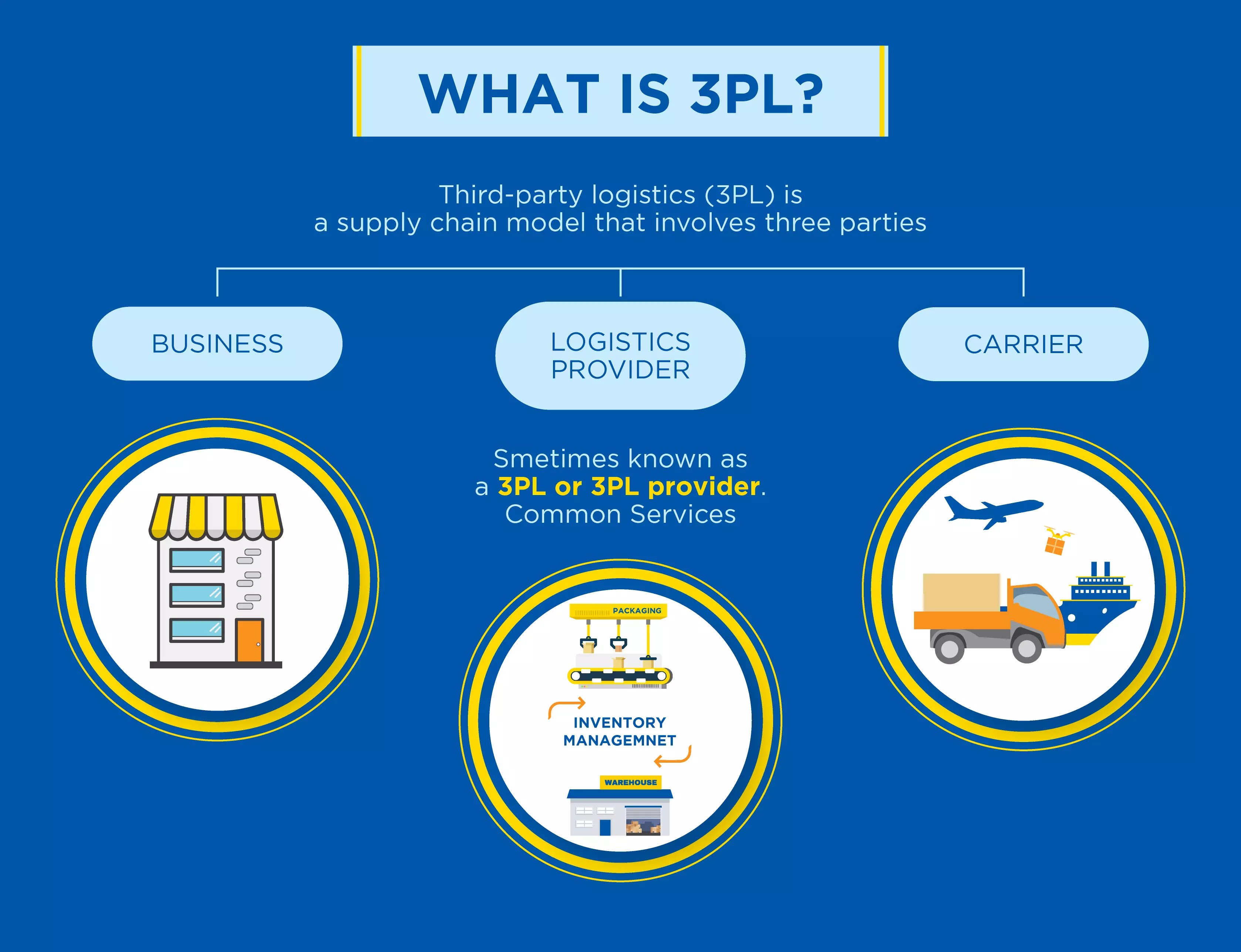
The logistics industry is undergoing a rapid transformation driven by digital innovation. Third-party logistics (3PL) providers are no longer just facilitators of transportation and warehousing—they are becoming technology-driven ecosystems that enable seamless supply chain operations. As businesses demand faster delivery, real-time tracking, and optimized operations, 3PL companies must adopt scalable digital platforms to stay competitive.
Modern logistics companies are increasingly investing in advanced logistics app development to automate processes, improve efficiency, and enhance customer experiences. These digital platforms are not just tools—they are the backbone of scalable logistics operations.
Understanding the Need for Scalability in 3PL Operations
Scaling operations in the logistics sector involves handling increased order volumes, expanding geographic reach, and managing complex supply chains without compromising efficiency. Traditional systems often fail under pressure due to manual processes, lack of visibility, and disconnected systems.
Digital platforms solve these challenges by integrating operations into a unified system. From inventory management to delivery tracking, everything becomes centralized, enabling better decision-making and faster execution.
Key Challenges Faced by 3PL Providers
- Limited real-time visibility across supply chain
- Manual and error-prone processes
- Difficulty managing multi-client operations
- Rising customer expectations for faster delivery
- Integration issues with partners and vendors
How Digital Platforms Enable Scalability

1. Automation of Core Processes
Automation reduces manual intervention in tasks such as order processing, inventory updates, and shipment tracking. This not only improves accuracy but also significantly reduces operational costs.
2. Real-Time Data and Analytics
Digital platforms provide real-time insights into logistics operations. This enables 3PL providers to make informed decisions, optimize routes, and forecast demand effectively.
3. Seamless Integration
Modern logistics platforms integrate with ERP systems, eCommerce platforms, and transportation networks. This ensures smooth data flow across all stakeholders.
4. Cloud-Based Infrastructure
Cloud technology allows logistics providers to scale resources up or down based on demand. It eliminates the need for heavy infrastructure investments while ensuring high availability.
Core Components of a Scalable Logistics Platform
| Component | Description | Benefits |
|---|---|---|
| Warehouse Management System (WMS) | Manages inventory, storage, and order fulfillment | Improves accuracy and efficiency |
| Transportation Management System (TMS) | Optimizes shipping and route planning | Reduces costs and delivery time |
| Order Management System (OMS) | Handles order processing and tracking | Enhances customer experience |
| Analytics Dashboard | Provides real-time data insights | Supports better decision-making |
Benefits of Digital Transformation for 3PL Providers
Improved Operational Efficiency
Automation and streamlined workflows significantly reduce processing time and errors, enabling companies to handle larger volumes with the same resources.
Enhanced Customer Experience
Real-time tracking, automated notifications, and faster delivery improve customer satisfaction and retention.
Cost Optimization
Digital platforms help identify inefficiencies and reduce operational costs through optimized routes and resource utilization.
Scalability and Flexibility
Cloud-based systems allow logistics providers to expand operations without major infrastructure changes.
Ready to Scale Your Logistics Business?
Get a custom-built digital platform tailored to your 3PL operations.
Email: [email protected]
WhatsApp: +91 9586979730
Role of Mobile Applications in Logistics Scaling
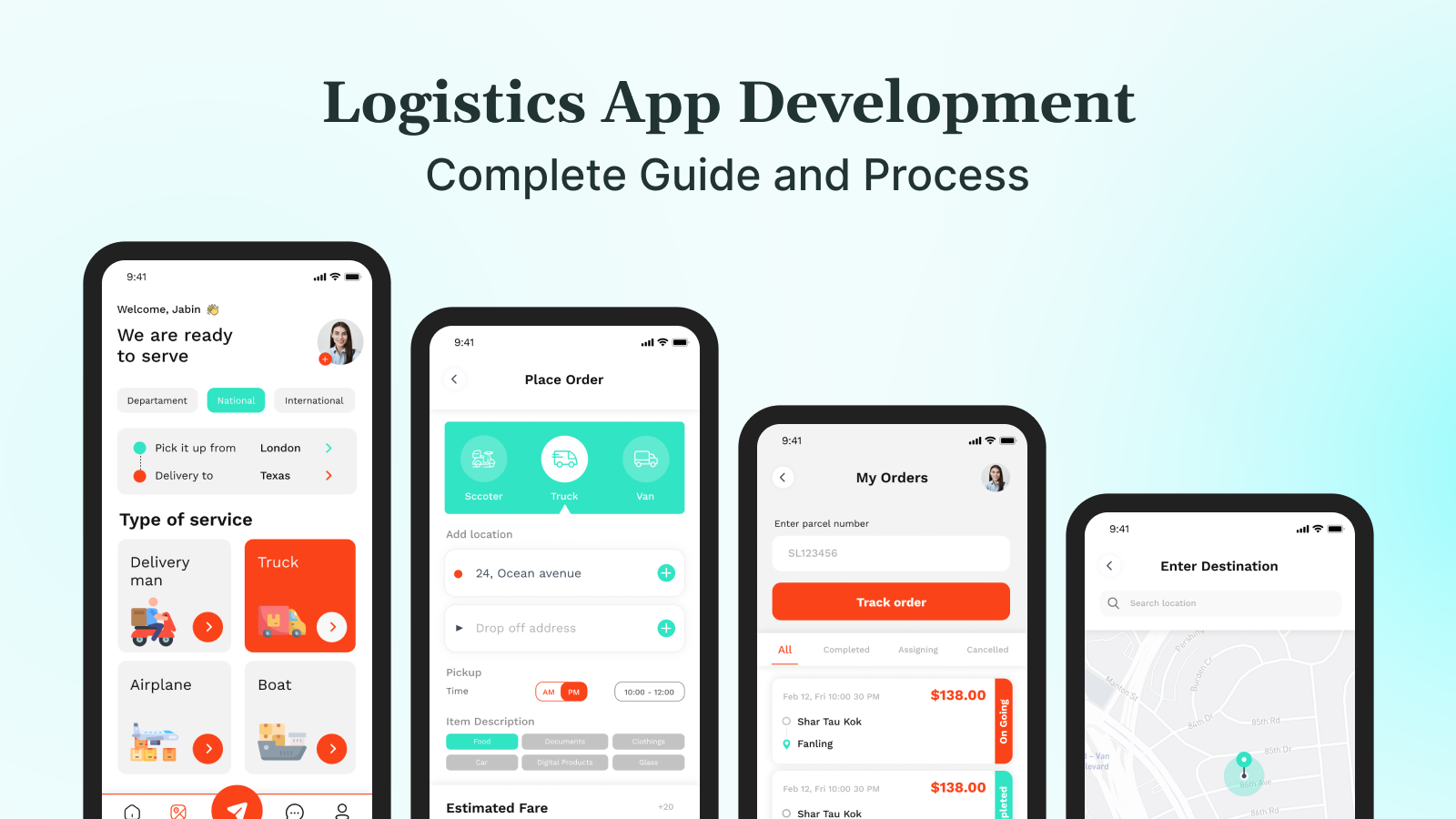
Mobile applications play a crucial role in modern logistics operations. From drivers to warehouse staff, everyone relies on mobile apps for real-time updates and task management.
- Driver apps for navigation and delivery updates
- Warehouse apps for inventory tracking
- Customer apps for order tracking and communication
Technology Trends Driving 3PL Growth
Artificial Intelligence and Machine Learning
AI helps in demand forecasting, route optimization, and predictive maintenance, enabling smarter logistics operations.
Internet of Things (IoT)
IoT devices provide real-time tracking of shipments, temperature monitoring, and asset management.
Blockchain Technology
Blockchain ensures transparency and security in transactions, improving trust among stakeholders.
Robotic Process Automation (RPA)
RPA automates repetitive tasks, reducing human effort and increasing efficiency.
Steps to Implement a Digital Logistics Platform
| Step | Description |
|---|---|
| Assessment | Evaluate current processes and identify gaps |
| Planning | Define goals and choose the right technology stack |
| Development | Build or customize the platform based on requirements |
| Integration | Connect with existing systems and partners |
| Deployment | Launch the platform and train users |
| Optimization | Continuously improve based on performance data |
Common Mistakes to Avoid

- Ignoring scalability during initial development
- Choosing outdated technology stacks
- Lack of proper integration with existing systems
- Insufficient user training
- Neglecting data security measures
Future of 3PL with Digital Platforms
The future of logistics lies in fully automated, data-driven ecosystems. Digital platforms will continue to evolve with advancements in AI, IoT, and cloud computing. 3PL providers who invest in these technologies today will be better positioned to handle future challenges and opportunities.
As global trade expands and customer expectations rise, logistics companies must embrace innovation to remain competitive. Digital platforms are not just an option—they are a necessity for growth and scalability.
Transform Your Logistics Operations Today
Partner with experts to build scalable and efficient logistics platforms.
Email: [email protected]
WhatsApp: +91 9586979730
Conclusion
Scaling a 3PL business in today’s competitive landscape requires more than just operational excellence—it demands digital transformation. By leveraging advanced platforms, automation, and real-time analytics, logistics providers can achieve unprecedented efficiency and growth.
Investing in digital logistics solutions ensures not only scalability but also long-term sustainability in an ever-evolving market. Whether you are a growing logistics company or an established 3PL provider, adopting digital platforms is the key to unlocking your full potential.
Blog ID: 1450Author: parth
Date: 17-04-2026
We to code. It's our passion







you can also reach us at our given
email address or phone number.