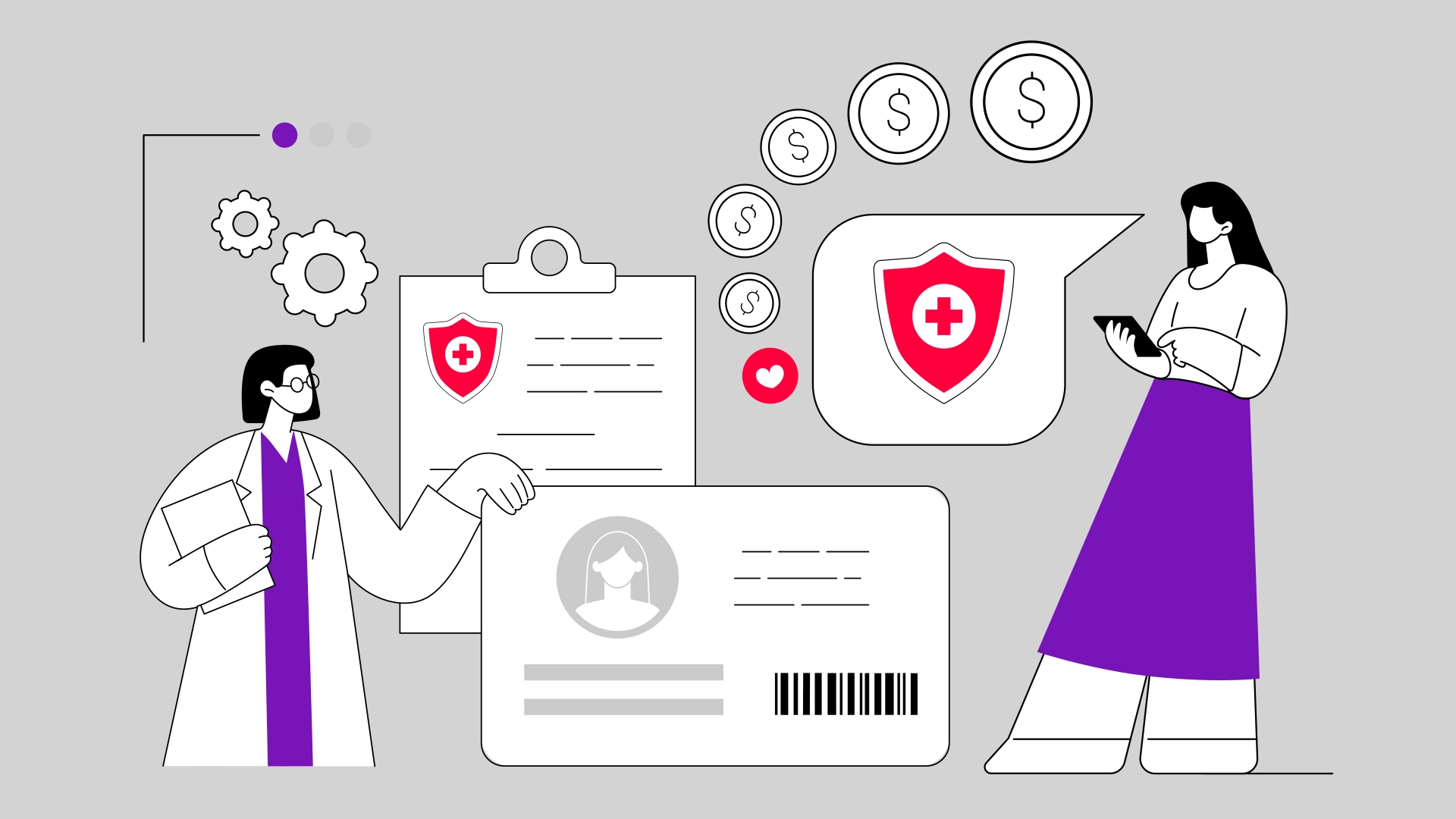
Healthcare organizations today face increasing pressure to improve billing accuracy, simplify patient communication, and create trust-based relationships. Patients are no longer satisfied with unclear invoices, hidden charges, delayed estimates, or confusing insurance adjustments. Hospitals that fail to provide financial transparency often struggle with disputes, delayed payments, poor patient experiences, and declining trust.
Modern transparency platforms are transforming hospital billing systems by helping healthcare providers deliver clear cost breakdowns, real-time billing visibility, insurance estimations, digital payment systems, and automated communication. These platforms not only improve operational efficiency but also create stronger relationships between healthcare providers and patients.
Businesses looking to implement scalable healthcare transparency solutions can explore hospital management software development that support patient billing automation, digital payment systems, financial reporting, and healthcare workflow optimization.
In this blog, we will explore how transparency platforms improve hospital billing systems, strengthen patient confidence, reduce operational challenges, and help healthcare organizations modernize financial management.
Why Transparency Matters in Hospital Billing
Hospital billing is often one of the most frustrating parts of the patient journey. Many patients receive invoices they do not fully understand. Charges may include insurance adjustments, laboratory fees, consultation costs, pharmacy expenses, room charges, and additional service fees that are difficult to interpret.
Lack of clarity creates confusion and mistrust. Patients may feel they are being overcharged or misinformed. In many cases, delayed or inaccurate billing also impacts hospital cash flow and increases administrative workload.
Transparency platforms address these challenges by creating clear financial communication channels between healthcare providers and patients. They provide real-time visibility into treatment costs, insurance coverage, payment history, and billing status.
Key Benefits of Billing Transparency
| Benefit | Description |
|---|---|
| Improved Patient Trust | Patients feel more confident when billing details are clear and accessible. |
| Reduced Billing Disputes | Clear invoices reduce confusion and complaint rates. |
| Faster Payments | Transparent payment systems encourage timely payments. |
| Operational Efficiency | Automation reduces manual administrative tasks. |
| Better Compliance | Hospitals can meet healthcare pricing transparency regulations. |
How Transparency Platforms Work in Hospital Billing Systems
Hospital billing transparency software integrates with healthcare management systems, insurance providers, electronic medical records (EMR), and payment gateways to create a centralized billing ecosystem.
These systems collect patient treatment data, calculate costs, verify insurance eligibility, and generate accurate invoices automatically. Patients can then access billing information through mobile applications or patient portals.
Core Components of Transparency Platforms
- Patient billing dashboards
- Insurance verification systems
- Digital invoice generation
- Real-time payment tracking
- Automated notifications and reminders
- Secure online payment integration
- Financial reporting dashboards
- Cost estimation calculators
- Claims management systems
- Patient communication tools
Real-Time Cost Estimation Improves Patient Confidence
One of the biggest frustrations patients face is uncertainty about medical expenses. Transparency platforms help solve this problem by providing estimated treatment costs before procedures begin.
These estimates consider:
- Insurance coverage
- Deductibles
- Treatment type
- Hospital service charges
- Medication costs
- Diagnostic expenses
When patients understand expected costs in advance, they can make informed financial decisions. This reduces anxiety and improves trust in healthcare providers.
Example of Transparent Billing Workflow
| Stage | Patient Experience |
|---|---|
| Appointment Booking | Receives estimated consultation charges |
| Insurance Verification | System checks insurance eligibility automatically |
| Treatment Planning | Patient sees estimated treatment expenses |
| Invoice Generation | Detailed digital invoice becomes available instantly |
| Payment | Online payment options simplify transactions |
Patient Portals Increase Financial Visibility
Modern hospital transparency platforms often include patient portals that provide 24/7 access to billing information. Patients can log in securely to:
- View invoices
- Track payment history
- Check insurance claims
- Download billing statements
- Pay outstanding balances
- Raise billing queries
- Access treatment summaries
This self-service approach improves convenience while reducing pressure on hospital administrative staff.
Hospitals implementing patient portal software solutions can improve communication, financial transparency, and digital patient engagement across healthcare operations.
Automation Reduces Human Errors in Billing
Manual billing processes often lead to mistakes such as duplicate charges, missing insurance information, incorrect coding, or delayed invoice generation. These issues damage patient trust and create compliance risks.
Transparency platforms automate key financial processes including:
- Medical coding validation
- Insurance claim verification
- Invoice generation
- Payment reconciliation
- Tax calculations
- Refund processing
Automation significantly reduces administrative errors and improves billing accuracy.
Impact of Billing Automation
| Area | Before Automation | After Automation |
|---|---|---|
| Invoice Accuracy | Frequent errors | Highly accurate billing |
| Claims Processing | Slow manual verification | Faster automated workflows |
| Administrative Costs | High staffing requirements | Reduced operational workload |
| Patient Satisfaction | Frequent complaints | Improved trust and satisfaction |
Insurance Integration Creates Seamless Billing Experiences
Insurance-related confusion is a major challenge in hospital billing. Patients often struggle to understand what is covered by insurance and what they must pay themselves.
Transparency platforms integrate directly with insurance providers to:
- Verify coverage instantly
- Calculate co-payments
- Track claims status
- Display deductibles clearly
- Prevent claim rejections
- Reduce reimbursement delays
This integration minimizes financial misunderstandings and helps patients feel more secure throughout their healthcare journey.
Digital Payment Systems Improve Convenience
Modern patients expect flexible and secure payment methods. Transparency platforms support digital payment systems that simplify billing experiences.
Common Payment Features
- UPI payments
- Credit and debit card payments
- EMI and installment options
- Wallet integrations
- Auto-payment scheduling
- QR code payments
- Payment reminders
Hospitals benefit from faster collections, while patients appreciate convenient and transparent payment options.
Compliance and Regulatory Transparency
Healthcare regulations increasingly require hospitals to provide transparent pricing and billing practices. Transparency platforms help healthcare organizations comply with regional and international healthcare laws.
Compliance features often include:
- Audit-ready financial records
- Secure patient data management
- Encrypted billing systems
- Role-based access control
- Automated compliance reporting
- HIPAA-compliant workflows
Hospitals that adopt transparent billing technologies reduce legal risks and build stronger reputations in the healthcare industry.
How Transparency Platforms Improve Hospital Revenue Management
Transparency does not only benefit patients. Hospitals also gain significant financial advantages.
Accurate billing systems reduce revenue leakage by ensuring that services are billed correctly and payments are collected efficiently.
Revenue Benefits for Hospitals
| Revenue Area | Impact |
|---|---|
| Claim Approvals | Higher insurance approval rates |
| Payment Collection | Faster patient payments |
| Administrative Costs | Lower operational expenses |
| Revenue Leakage | Reduced missed billing opportunities |
| Cash Flow | Improved financial stability |
AI and Analytics in Billing Transparency Platforms
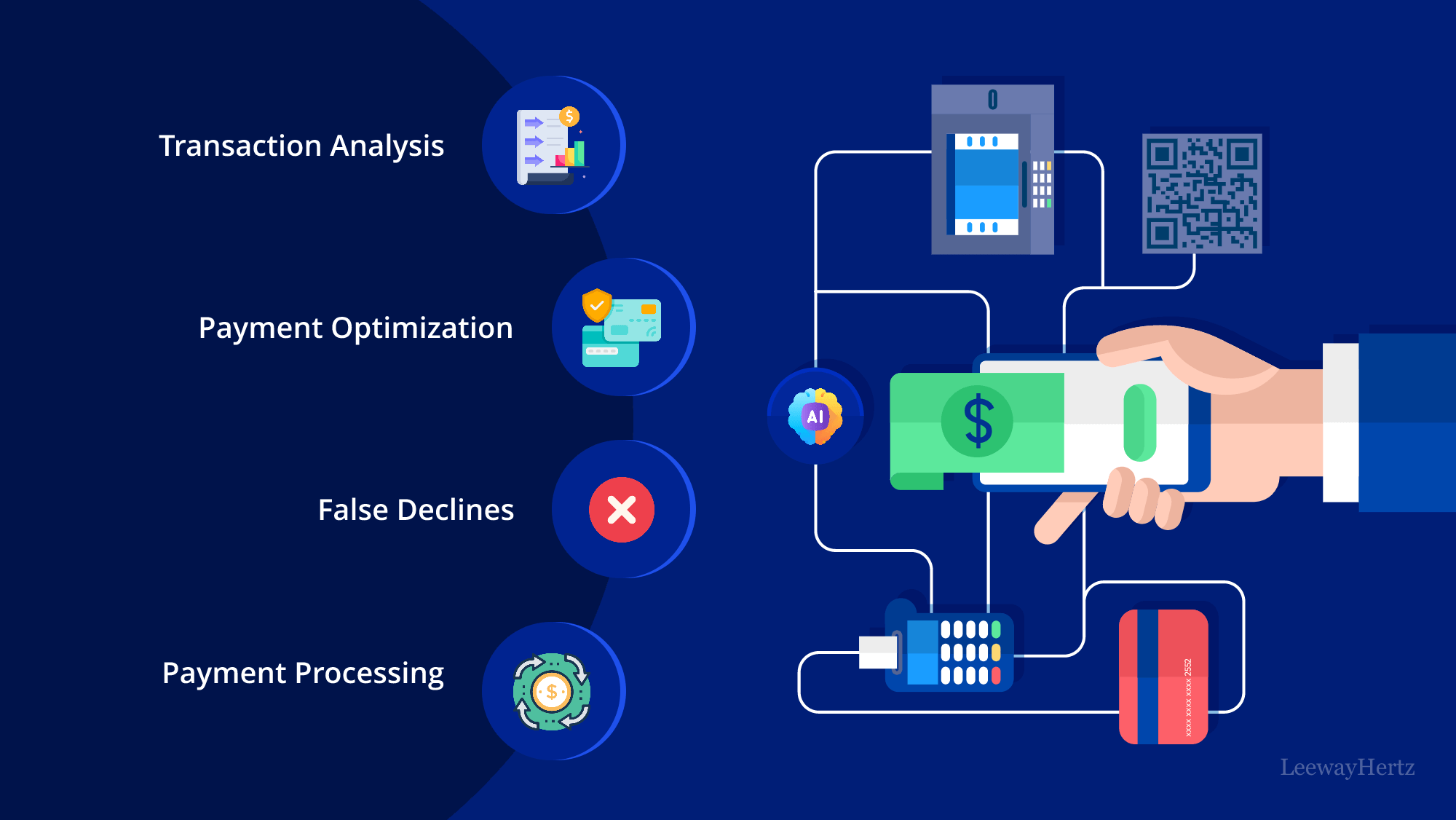
Artificial intelligence and analytics are making hospital billing systems smarter and more predictive.
AI-powered transparency platforms can:
- Predict billing disputes
- Detect fraudulent claims
- Identify payment delays
- Recommend financial assistance options
- Improve cost forecasting
- Optimize insurance claims
Analytics dashboards also help hospital administrators monitor financial performance in real time.
Mobile Accessibility Enhances Patient Engagement
Patients increasingly prefer mobile-first healthcare experiences. Transparency platforms with mobile applications allow patients to manage healthcare finances directly from smartphones.
Mobile Billing Features
- Instant invoice access
- Payment notifications
- Insurance updates
- Digital receipts
- Chat support
- Billing history tracking
- Multi-language support
Mobile accessibility improves patient engagement and simplifies healthcare financial management.
Challenges Hospitals Face Without Transparency Platforms
Hospitals relying on outdated billing systems often experience:
- Frequent billing disputes
- Delayed reimbursements
- Poor patient satisfaction
- Manual administrative workload
- Compliance risks
- Revenue losses
- Communication gaps
As patient expectations evolve, healthcare providers must modernize billing operations to remain competitive and trustworthy.
Future of Transparent Hospital Billing Systems
The future of healthcare billing will focus heavily on digital transparency, automation, AI-driven insights, and patient-centric financial experiences.
Emerging trends include:
- Blockchain-based billing verification
- AI-powered financial assistants
- Voice-enabled payment systems
- Predictive cost estimation
- Integrated telehealth billing
- Real-time insurance processing
- Personalized payment plans
Hospitals investing in advanced transparency platforms today will be better positioned for long-term operational success and patient trust.
Choosing the Right Hospital Billing Transparency Software
Selecting the right transparency platform requires careful planning. Healthcare organizations should evaluate:
- Scalability
- Security standards
- Integration capabilities
- Compliance features
- User experience
- Analytics support
- Customization options
- Mobile compatibility
An experienced healthcare software development company can help hospitals build customized billing transparency systems tailored to operational goals and patient needs.
Conclusion
Transparency platforms are transforming hospital billing systems by improving communication, reducing confusion, automating workflows, and building stronger patient trust. Clear financial visibility empowers patients to make informed decisions while helping hospitals improve operational efficiency and revenue management.
As healthcare becomes increasingly digital, transparent billing solutions will become essential for hospitals seeking to deliver modern patient experiences and maintain financial sustainability.
Organizations investing in healthcare billing transparency software today are building the foundation for better patient relationships, stronger compliance, and long-term healthcare innovation.
Contact Developers App India BM Coder
Looking to build a secure and scalable hospital billing transparency platform?
Developers App India BM Coder specializes in healthcare software development solutions including hospital management systems, patient portals, billing platforms, telemedicine applications, healthcare analytics dashboards, and custom healthcare automation systems.
📧 Email: [email protected]
📱 WhatsApp: +91.9586979730
Blog ID: 1555Author: parth
Date: 22-05-2026
We to code. It's our passion








you can also reach us at our given
email address or phone number.