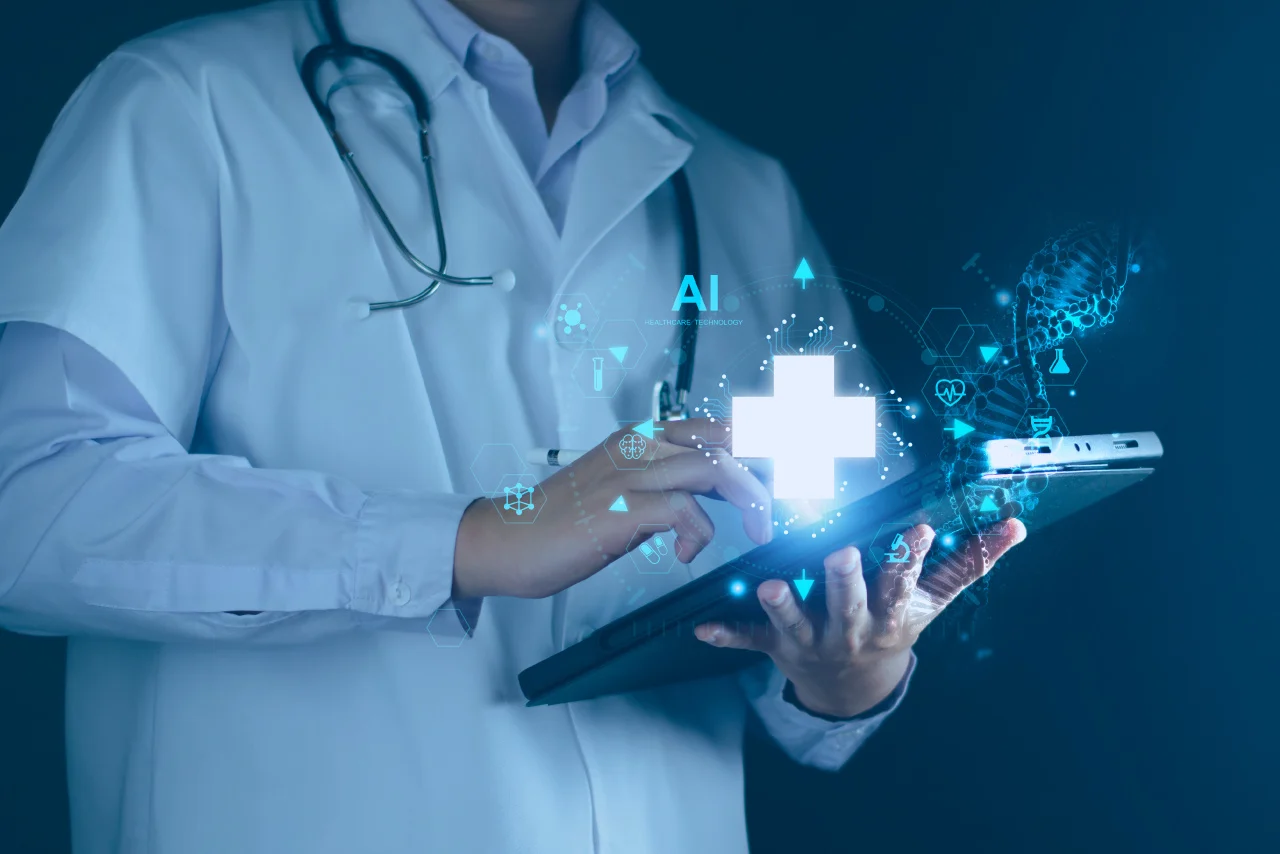
Healthcare systems across the United Kingdom are undergoing a major digital transformation. Hospitals, clinics, NHS organizations, private healthcare providers, and healthcare startups are increasingly adopting advanced digital platforms to improve patient care, streamline operations, enhance communication, and deliver better healthcare outcomes.
Digital healthcare solutions are no longer optional in the modern healthcare environment. They are becoming essential tools for handling increasing patient demands, improving accessibility, reducing operational costs, and supporting healthcare professionals with efficient technology systems.
From telemedicine applications and electronic health records to AI-driven healthcare platforms and remote patient monitoring systems, digital innovation is reshaping the future of healthcare delivery in the UK.
At Developers App India , we help healthcare organizations build scalable, secure, and modern healthcare technology solutions tailored to evolving industry needs. Our expertise in healthcare app development services in the UK supports healthcare providers in creating digital ecosystems that improve both patient experiences and operational efficiency.
Why UK Healthcare Systems Are Moving Toward Digital Platforms
Healthcare providers in the UK face several ongoing challenges:
- Increasing patient volumes
- Long waiting times
- Growing operational costs
- Healthcare staff shortages
- Need for remote healthcare access
- Data management complexity
- Demand for personalized patient experiences
Digital healthcare platforms help solve these problems by improving communication, automating workflows, and enabling more efficient healthcare delivery.
The UK's healthcare industry has accelerated digital adoption in areas such as:
- Telemedicine services
- Digital patient portals
- Electronic medical records
- AI healthcare systems
- Healthcare mobile applications
- Remote patient monitoring
- Healthcare analytics platforms
- Cloud-based healthcare infrastructure
Key Digital Platforms Used in UK Healthcare Systems
| Digital Healthcare Platform | Main Purpose | Benefits |
|---|---|---|
| Telemedicine Platforms | Virtual healthcare consultations | Improved accessibility and convenience |
| Electronic Health Records (EHR) | Digital patient record management | Centralized and accessible healthcare data |
| Remote Patient Monitoring Systems | Track patient health remotely | Better chronic disease management |
| Healthcare Mobile Apps | Patient engagement and self-service | Enhanced patient experience |
| Healthcare CRM Platforms | Patient communication management | Improved engagement and retention |
| AI Healthcare Solutions | Automation and predictive analytics | Faster and smarter decision-making |
| Healthcare Analytics Platforms | Operational and clinical data analysis | Better planning and efficiency |
How Telemedicine Is Improving Healthcare Access in the UK
Telemedicine has become one of the most widely adopted digital healthcare solutions across the UK healthcare sector.
Virtual healthcare platforms allow patients to consult doctors remotely through:
- Video consultations
- Voice calls
- Secure messaging
- Online appointment systems
- Digital prescriptions
Telemedicine platforms improve healthcare accessibility for:
- Rural populations
- Elderly patients
- Patients with mobility issues
- Busy professionals
- Chronic care patients
Healthcare providers benefit by reducing overcrowding in hospitals and clinics while serving more patients efficiently.
Electronic Health Records Improve Healthcare Coordination
Electronic Health Records (EHR) are central to digital healthcare transformation in the UK.
EHR systems allow healthcare professionals to securely access patient information from centralized digital databases.
Benefits of EHR systems include:
- Reduced paperwork
- Faster patient data access
- Improved healthcare coordination
- Reduced medical errors
- Better treatment planning
- Enhanced healthcare efficiency
Healthcare providers can share patient information securely across departments, hospitals, pharmacies, and specialists.
Remote Patient Monitoring Enhances Chronic Care Management
Remote Patient Monitoring (RPM) systems help healthcare providers monitor patients outside traditional healthcare facilities.
This technology is especially useful for managing chronic conditions such as:
- Diabetes
- Heart disease
- Hypertension
- Respiratory disorders
- Post-surgery recovery
RPM platforms use connected devices such as:
- Wearable fitness trackers
- Blood pressure monitors
- Glucose monitoring devices
- Pulse oximeters
- Smart health sensors
| RPM Advantage | Impact on Healthcare Outcomes |
|---|---|
| Continuous monitoring | Early detection of health risks |
| Reduced hospital visits | Lower healthcare costs |
| Improved patient engagement | Better treatment adherence |
| Remote healthcare access | Greater convenience for patients |
Role of Artificial Intelligence in UK Healthcare
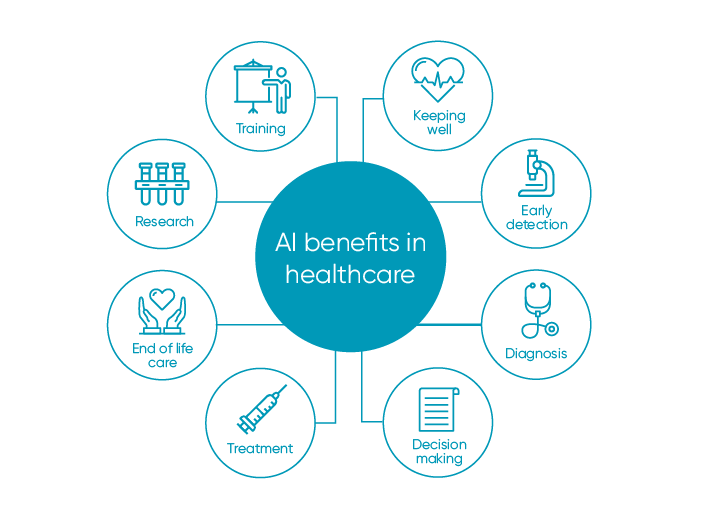
Artificial Intelligence is becoming a powerful component of digital healthcare systems in the UK.
Healthcare organizations use AI technologies for:
- Medical imaging analysis
- Predictive healthcare analytics
- Clinical decision support
- AI chatbots for patient assistance
- Healthcare workflow automation
- Risk assessment and early diagnosis
AI systems help healthcare providers improve accuracy, reduce manual workload, and optimize operational efficiency.
For example, AI-powered tools can analyze patient symptoms and historical data to assist doctors in identifying potential health risks earlier.
Healthcare Mobile Applications Improve Patient Engagement
Mobile healthcare applications are helping UK healthcare providers create more patient-centric healthcare experiences.
Healthcare mobile apps commonly include:
- Appointment scheduling
- Medication reminders
- Health tracking dashboards
- Telemedicine integration
- Digital prescriptions
- Secure communication
- Access to health records
Patients increasingly expect convenient digital healthcare services similar to other mobile-based industries.
Healthcare providers that invest in healthcare app development improve accessibility, patient satisfaction, and long-term engagement.
Cloud Technology Supports Scalable Healthcare Systems
Cloud computing plays a major role in modern healthcare technology infrastructure.
Cloud-based healthcare systems allow organizations to:
- Store large volumes of healthcare data securely
- Support multi-location healthcare operations
- Enable remote healthcare access
- Improve scalability and flexibility
- Reduce infrastructure maintenance costs
- Enhance system reliability
Cloud technology also supports seamless integration between healthcare systems, laboratories, pharmacies, insurance companies, and external healthcare providers.
Importance of Healthcare Data Security and Compliance
Healthcare systems in the UK handle highly sensitive patient data, making cybersecurity and compliance critical priorities.
Digital healthcare platforms must include:
- End-to-end encryption
- Secure authentication systems
- Role-based access control
- Regular security monitoring
- Secure cloud infrastructure
- Backup and disaster recovery systems
Healthcare organizations must also comply with data protection regulations and patient privacy standards.
Secure healthcare software development helps protect patient trust while reducing cybersecurity risks.
Healthcare Analytics Improve Decision-Making
Healthcare analytics platforms help organizations make smarter operational and clinical decisions using real-time data insights.
Healthcare analytics can help providers:
- Track patient trends
- Improve resource planning
- Reduce operational inefficiencies
- Monitor patient satisfaction
- Predict healthcare demand
- Improve treatment outcomes
Data-driven healthcare management is becoming increasingly important for improving healthcare quality while reducing costs.
Benefits of Digital Healthcare Platforms in the UK
| Benefit | Description |
|---|---|
| Improved Patient Access | Patients receive healthcare services more conveniently |
| Better Patient Engagement | Digital platforms encourage patient participation |
| Operational Efficiency | Automation reduces administrative workload |
| Reduced Healthcare Costs | Remote care lowers operational expenses |
| Improved Clinical Outcomes | Technology supports better healthcare decisions |
| Scalable Infrastructure | Healthcare providers can expand services efficiently |
| Enhanced Data Management | Centralized systems improve record accessibility |
Challenges in Healthcare Digital Transformation
Legacy System Integration
Many healthcare providers still rely on outdated systems that are difficult to integrate with modern platforms.
Technology Adoption Resistance
Healthcare professionals may require additional training to adapt to new digital systems.
Cybersecurity Risks
Healthcare organizations are frequent targets for cyberattacks and data breaches.
Budget Constraints
Implementing large-scale digital healthcare systems can require significant investment.
Compliance Complexity
Healthcare organizations must maintain strict compliance with healthcare regulations and patient privacy standards.
Future of Digital Healthcare in the UK
AI-Powered Personalized Healthcare
AI will continue improving personalized healthcare experiences and predictive treatment planning.
Expansion of Remote Healthcare Services
Remote consultations and monitoring systems will become even more common across healthcare organizations.
Wearable Healthcare Technology
Wearable devices will support preventive healthcare and real-time health monitoring.
Smart Healthcare Automation
Automation tools will streamline healthcare administration and improve operational efficiency.
Integrated Healthcare Ecosystems
Future healthcare systems will connect hospitals, clinics, pharmacies, laboratories, and insurance systems into unified digital ecosystems.
Why Custom Healthcare Software Development Is Important
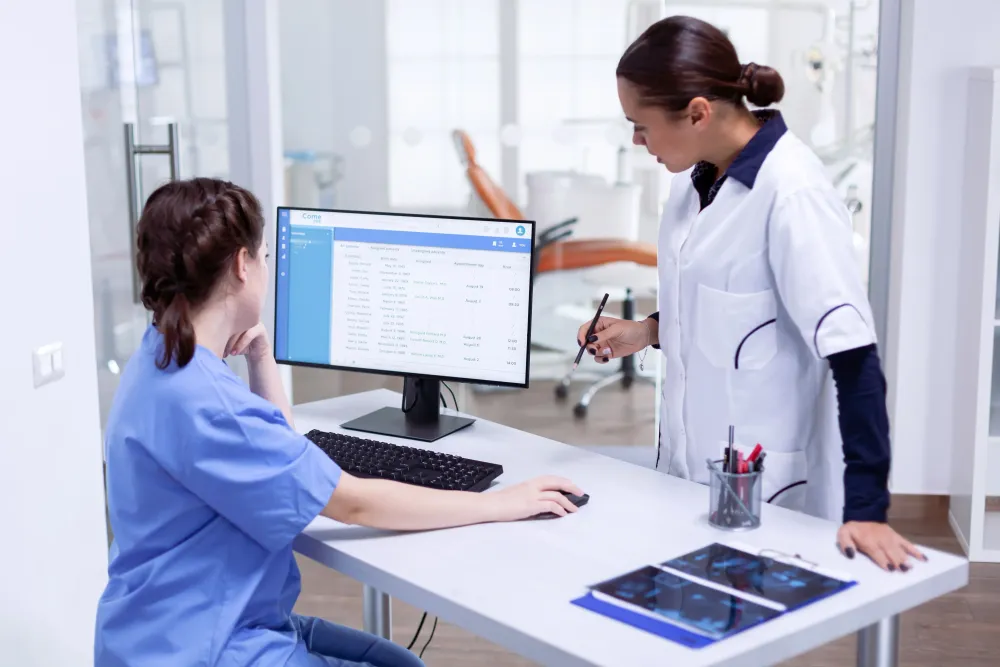
Every healthcare organization operates differently and requires customized workflows, integrations, and patient management systems.
Custom healthcare software development allows providers to:
- Build scalable healthcare systems
- Improve workflow efficiency
- Create personalized patient experiences
- Integrate with existing systems
- Support long-term digital growth
- Enhance operational flexibility
Custom healthcare platforms provide greater control, scalability, and security compared to generic software solutions.
How Developers App India BM Coder Supports UK Healthcare Providers
Developers App India BM Coder delivers advanced healthcare technology solutions designed for modern healthcare organizations in the UK.
Our healthcare software development services include:
- Healthcare mobile app development
- Telemedicine platform development
- Remote patient monitoring systems
- Healthcare CRM development
- Patient portal solutions
- Hospital management software
- AI healthcare platforms
- Healthcare dashboard systems
- Cloud-based healthcare applications
We focus on developing secure, scalable, user-friendly, and high-performance healthcare platforms that help organizations improve patient care and operational efficiency.
Ready to Build a Modern Healthcare Platform?
If you are planning to develop scalable digital healthcare solutions for hospitals, clinics, healthcare startups, or enterprise healthcare systems, Developers App India BM Coder can help you build secure and future-ready healthcare applications.
Our team specializes in healthcare software development solutions tailored to the evolving UK healthcare market.
Email: [email protected]
WhatsApp: +91.9586979730
Conclusion
Digital healthcare platforms are transforming healthcare systems across the UK by improving accessibility, efficiency, patient engagement, and clinical outcomes.
From telemedicine and AI-driven healthcare systems to cloud infrastructure and remote patient monitoring, healthcare organizations are investing heavily in digital transformation to meet the growing demands of modern healthcare.
Healthcare providers that adopt scalable healthcare technology solutions today will be better prepared for future healthcare challenges and patient expectations.
The future of UK healthcare is digital, connected, intelligent, and patient-focused — and modern healthcare platforms are leading this transformation.
Blog ID: 1540Author: parth
Date: 08-05-2026
We to code. It's our passion







you can also reach us at our given
email address or phone number.