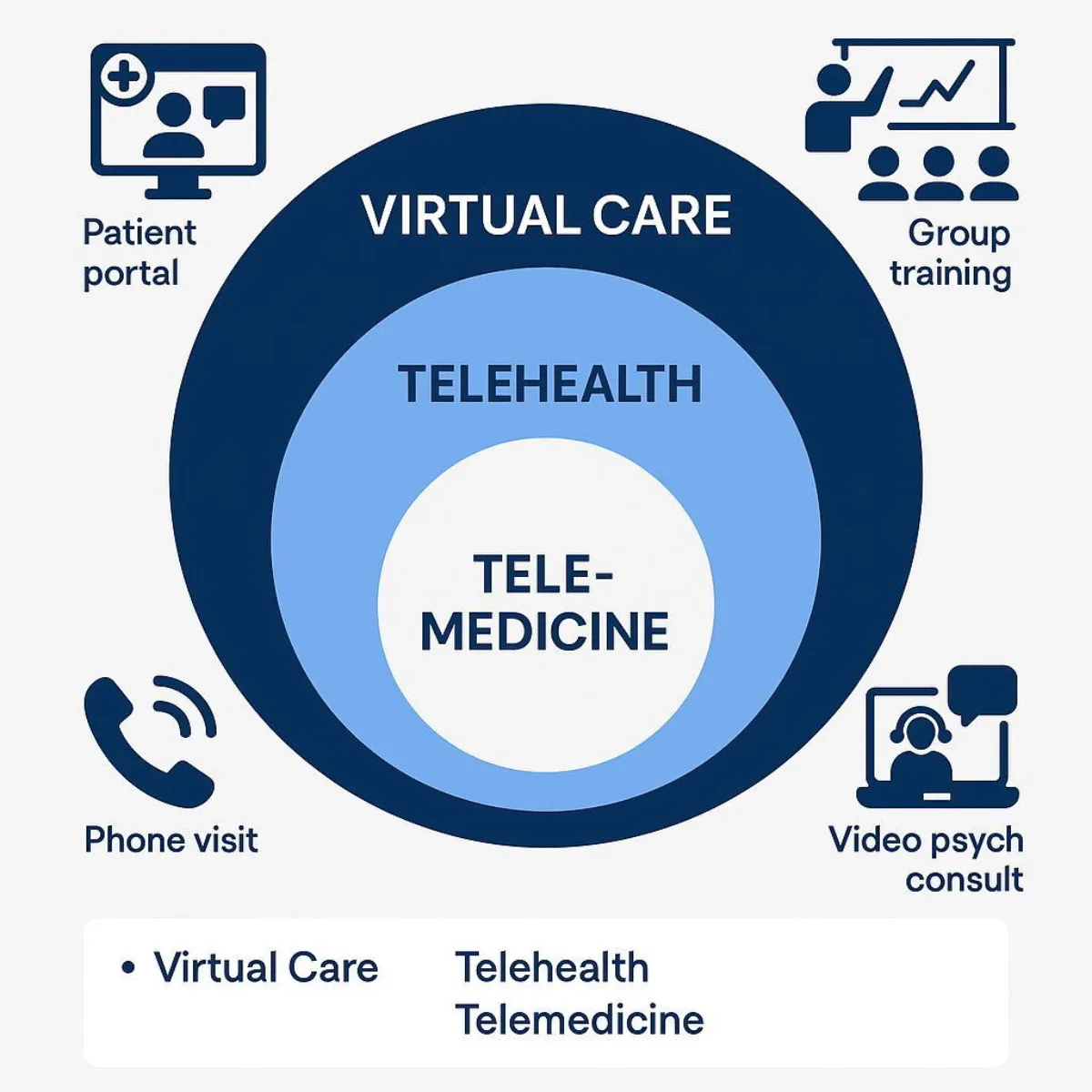
The healthcare industry is experiencing one of the biggest digital transformations in modern history. Virtual care platforms are no longer optional technologies — they have become essential systems for hospitals, clinics, healthcare startups, wellness providers, and enterprises looking to deliver faster, smarter, and more accessible patient care.
Patients today expect seamless digital healthcare experiences similar to modern banking, eCommerce, and communication applications. They want instant appointment booking, remote consultations, online prescriptions, real-time health monitoring, secure communication, and personalized healthcare experiences accessible from any device.
As healthcare demands continue growing worldwide, successful virtual care platforms are helping organizations improve patient engagement, reduce operational costs, increase healthcare accessibility, and streamline digital healthcare delivery.
However, not all telemedicine systems succeed. The most effective virtual healthcare platforms are built with advanced capabilities that improve user experience, scalability, security, communication, and operational efficiency.
At Developers App India , we specialize in building scalable and secure telemedicine app development that help healthcare organizations create future-ready virtual care ecosystems with advanced patient engagement and healthcare management capabilities.
What Is a Virtual Care Platform?
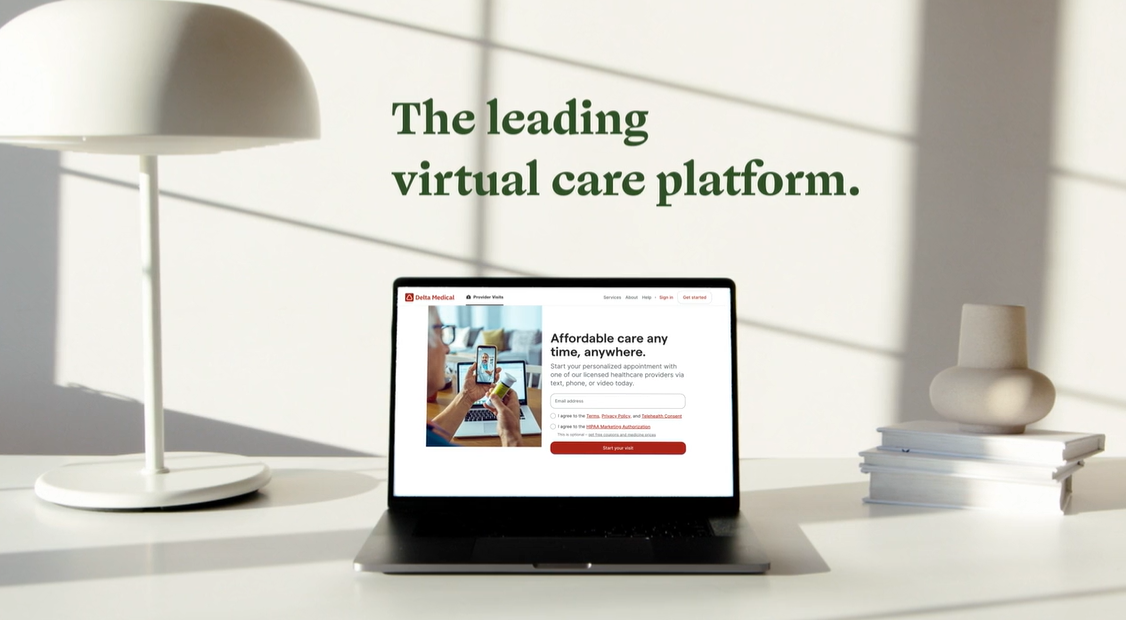
A virtual care platform is a digital healthcare ecosystem that enables healthcare providers and patients to interact remotely using web applications, mobile apps, cloud infrastructure, and real-time communication technologies.
These platforms support services such as:
- Video consultations
- Online appointment scheduling
- Digital prescriptions
- Electronic health records
- Remote patient monitoring
- AI-powered healthcare support
- Secure messaging
- Health tracking systems
- Patient engagement tools
- Telehealth management dashboards
The success of a virtual healthcare system depends heavily on the capabilities integrated into the platform architecture.
Why Virtual Care Platforms Are Growing Rapidly
Healthcare providers worldwide are investing heavily in virtual healthcare technologies because digital healthcare offers significant advantages for both patients and medical organizations.
| Traditional Healthcare Challenges | Virtual Care Solutions |
|---|---|
| Long waiting times | Instant online scheduling |
| Limited accessibility | Remote healthcare access |
| Manual documentation | Digital health records |
| High operational costs | Automated workflows |
| Limited patient engagement | Real-time communication |
| Geographical barriers | Anywhere healthcare access |
This rapid digital adoption has increased the importance of building feature-rich and scalable telemedicine platforms.
Key Capabilities That Define Successful Virtual Care Platforms
1. Secure Video Consultation System
Video consultation is one of the core features of any telemedicine platform.
A successful virtual care system must provide:
- HD video quality
- Low-latency communication
- Encrypted consultations
- Cross-device compatibility
- Session stability
- Screen sharing support
- Virtual waiting rooms
- Real-time audio optimization
Reliable communication technology directly impacts patient satisfaction and healthcare efficiency.
2. Online Appointment Scheduling
Patients expect fast and convenient appointment booking systems.
Modern healthcare scheduling systems include:
- Doctor availability calendars
- Real-time slot booking
- Appointment reminders
- Automated confirmations
- Rescheduling features
- Cancellation management
- Time-zone synchronization
- Multi-provider scheduling
Automated scheduling improves operational efficiency while reducing manual administrative work.
3. Electronic Health Records (EHR) Integration
EHR integration is one of the most critical capabilities of successful virtual care platforms.
Healthcare providers require centralized access to:
- Medical histories
- Prescriptions
- Lab reports
- Patient diagnoses
- Treatment plans
- Consultation notes
- Health analytics
- Medication records
Integrated health records improve treatment continuity and clinical decision-making.
AI-Powered Healthcare Capabilities
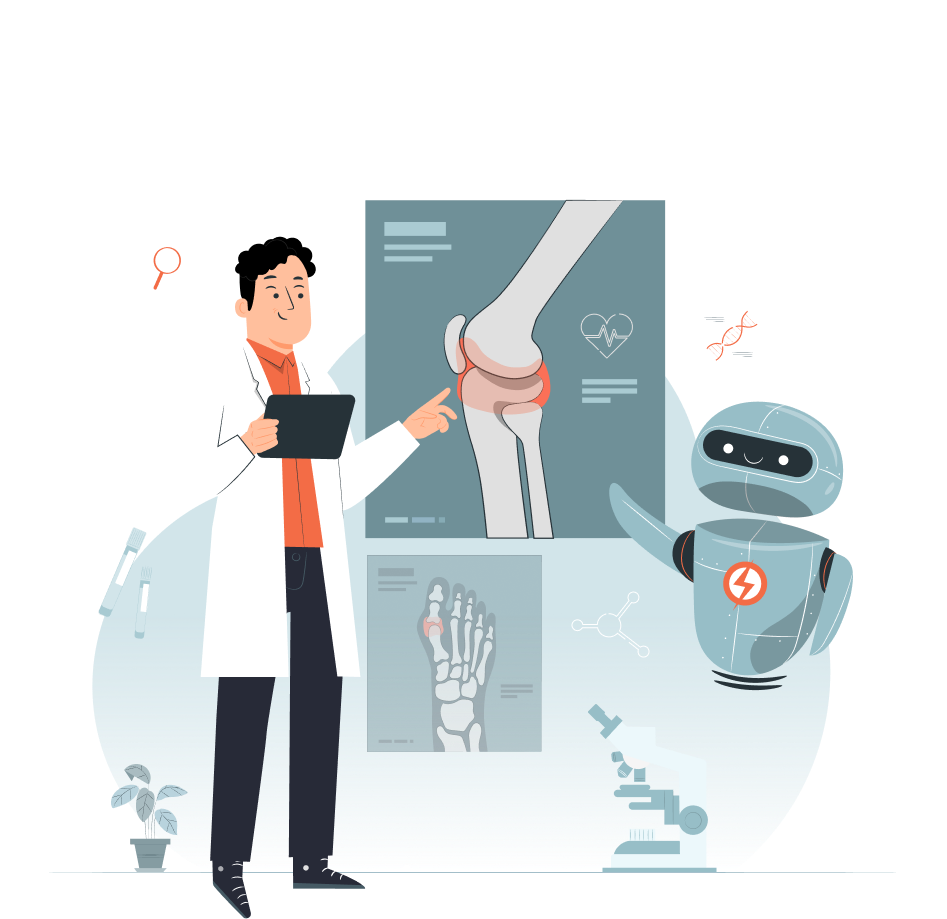
Artificial intelligence is rapidly transforming virtual healthcare ecosystems.
AI improves efficiency, personalization, automation, and predictive healthcare capabilities.
Important AI Features
- AI symptom checker
- Healthcare chatbots
- Predictive analytics
- Automated triage systems
- Smart appointment recommendations
- Voice recognition
- Patient behavior analysis
- AI-powered health insights
AI integration helps healthcare organizations provide faster and more intelligent patient care experiences.
Remote Patient Monitoring
Remote patient monitoring has become a key capability for modern telehealth systems.
These systems allow healthcare providers to monitor patient health remotely using connected devices and digital tracking technologies.
| Monitoring Feature | Purpose |
|---|---|
| Heart Rate Monitoring | Cardiovascular tracking |
| Blood Pressure Tracking | Chronic disease management |
| Glucose Monitoring | Diabetes management |
| Sleep Tracking | Wellness analysis |
| Oxygen Monitoring | Respiratory health support |
| Medication Tracking | Treatment adherence |
Remote monitoring improves healthcare accessibility while reducing unnecessary hospital visits.
Secure Messaging and Communication
Effective communication is essential for patient engagement and healthcare continuity.
Successful virtual care platforms include:
- Real-time chat systems
- Secure patient messaging
- Doctor-to-doctor communication
- File sharing
- Prescription messaging
- Emergency communication tools
- Push notifications
- Email and SMS alerts
Secure communication systems strengthen patient-provider relationships and improve healthcare efficiency.
Cloud-Based Scalability
Modern virtual healthcare systems must support growing patient demand without compromising performance.
Cloud-based architecture enables:
- Global accessibility
- Scalable infrastructure
- High platform uptime
- Real-time synchronization
- Fast data processing
- Secure data storage
- Automatic scaling
- Disaster recovery systems
Scalable cloud infrastructure is essential for long-term telemedicine platform success.
Data Security and Compliance
Healthcare data is highly sensitive. Security and regulatory compliance are among the most important capabilities of successful virtual care platforms.
Healthcare systems must implement:
- HIPAA compliance
- GDPR compliance
- End-to-end encryption
- Role-based access control
- Secure APIs
- Multi-factor authentication
- Encrypted cloud storage
- Real-time security monitoring
Strong cybersecurity measures build trust while protecting patient information from data breaches.
User-Friendly UI/UX Design
User experience directly impacts platform adoption and patient engagement.
Healthcare applications should provide:
- Simple navigation
- Responsive mobile design
- Fast loading speed
- Accessibility support
- Minimal learning curve
- Clear healthcare workflows
- Modern visual interfaces
- Multi-language support
Easy-to-use interfaces improve both patient satisfaction and healthcare provider productivity.
Payment and Billing Integration
Digital healthcare platforms often include integrated payment systems for consultation fees, subscriptions, and healthcare services.
Key payment features include:
- Secure payment gateways
- Insurance integration
- Online invoicing
- Subscription billing
- Transaction tracking
- Digital receipts
- Automated payment reminders
- Multi-currency support
Integrated billing systems improve operational efficiency and patient convenience.
Analytics and Reporting Dashboards
Data-driven healthcare systems help organizations make better business and clinical decisions.
Successful platforms provide analytics for:
- Patient engagement
- Consultation statistics
- Healthcare performance
- Treatment outcomes
- Revenue monitoring
- Operational efficiency
- Doctor productivity
- Appointment trends
Advanced analytics support healthcare optimization and long-term growth strategies.
Cross-Platform Accessibility
Patients use multiple devices to access healthcare services.
Virtual care platforms should support:
- Android applications
- iOS applications
- Web applications
- Tablet compatibility
- Desktop platforms
- Smart device integration
Cross-platform compatibility increases accessibility and patient engagement.
Integration with Wearable Devices
Wearable healthcare technology is becoming increasingly important in digital healthcare ecosystems.
Virtual care platforms now integrate with:
- Smartwatches
- Fitness trackers
- Heart monitoring devices
- Glucose monitoring systems
- Blood pressure devices
- Sleep tracking wearables
Wearable integration improves real-time patient monitoring and preventive healthcare.
Role of Automation in Virtual Healthcare
Automation helps healthcare organizations reduce manual tasks and improve operational efficiency.
| Automation Capability | Benefit |
|---|---|
| Appointment Reminders | Reduces missed appointments |
| Automated Billing | Improves payment processing |
| AI Chatbots | 24/7 patient support |
| Prescription Alerts | Improves medication adherence |
| Workflow Automation | Reduces administrative work |
| Patient Follow-Ups | Improves engagement |
Future Capabilities of Virtual Care Platforms
The future of digital healthcare will continue evolving with advanced technologies and intelligent automation.
Emerging Innovations
- AI-powered diagnostics
- Virtual reality therapy
- Blockchain healthcare security
- 5G-enabled telemedicine
- Predictive healthcare analytics
- Voice-enabled healthcare systems
- Digital twin healthcare models
- Personalized AI treatment plans
Healthcare organizations adopting these technologies early will gain competitive advantages in the rapidly growing digital healthcare market.
Why Healthcare Businesses Need Advanced Virtual Care Platforms
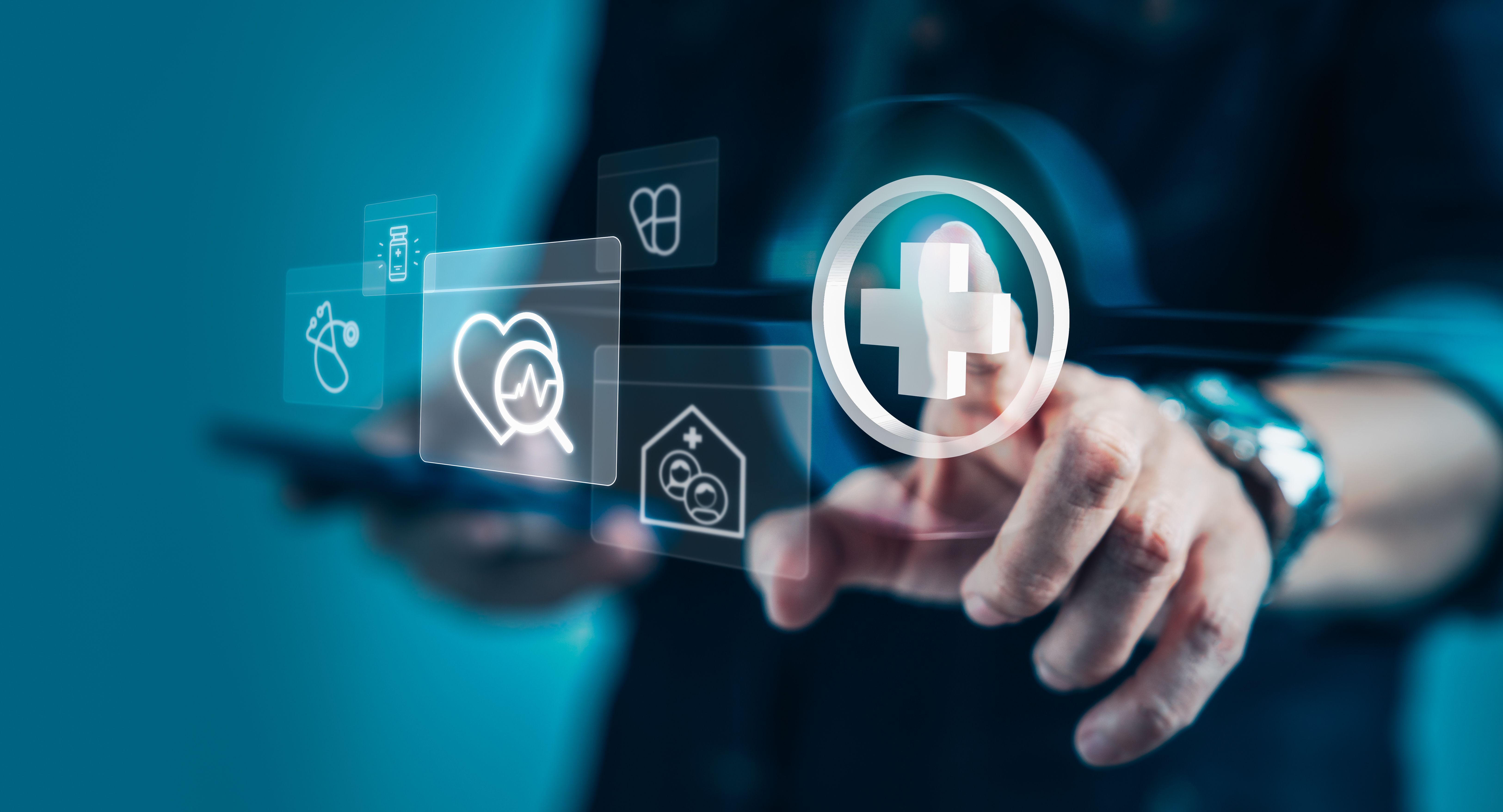
Modern healthcare consumers expect digital-first healthcare experiences.
Organizations investing in feature-rich telemedicine platforms can achieve:
- Improved patient satisfaction
- Higher patient retention
- Operational efficiency
- Reduced healthcare costs
- Expanded healthcare accessibility
- Enhanced patient engagement
- Scalable healthcare delivery
- Long-term digital growth
How Developers App India BM Coder Helps Build Successful Telemedicine Platforms
Developers App India BM Coder develops advanced virtual healthcare solutions tailored to modern healthcare providers, startups, clinics, and enterprises.
Our healthcare development expertise includes:
- Telemedicine application development
- AI-powered healthcare systems
- Healthcare dashboard development
- Remote patient monitoring platforms
- HIPAA-compliant software solutions
- Cross-platform healthcare applications
- Healthcare analytics systems
- Secure cloud-based healthcare infrastructure
We focus on scalability, security, innovation, and patient-centered healthcare experiences.
Build an Advanced Virtual Care Platform
Looking to develop a secure and scalable telemedicine platform with modern healthcare capabilities?
Developers App India BM Coder helps healthcare organizations create intelligent digital healthcare ecosystems tailored for future growth.
Email: [email protected]
WhatsApp: +91.9586979730
Conclusion
Successful virtual care platforms are defined by their ability to provide secure, scalable, intelligent, and user-friendly healthcare experiences. From video consultations and AI-powered healthcare support to cloud scalability and remote patient monitoring, modern telemedicine systems require advanced capabilities to meet growing healthcare demands.
Healthcare organizations investing in feature-rich virtual care platforms can improve patient engagement, operational efficiency, healthcare accessibility, and long-term business growth.
As digital healthcare continues evolving, advanced virtual healthcare ecosystems will become essential for delivering personalized, accessible, and future-ready patient care experiences worldwide.
Blog ID: 1537Author: parth
Date: 08-05-2026
We to code. It's our passion









you can also reach us at our given
email address or phone number.