Building your first mobile application is one of the most critical steps in turning your startup idea into a real, scalable business. In today’s digital-first world, mobile apps are not just tools—they are powerful platforms that drive user engagement, revenue, and brand growth.
However, for many founders—especially those without a technical background—the journey from idea to app launch can feel overwhelming. Questions around cost, development process, technology, and hiring the right team often create confusion.
This comprehensive guide is designed to walk you through every stage of building your first mobile application—from ideation to launch and beyond.
If you're looking for a reliable app development company to bring your idea to life, understanding the complete process will help you make smarter decisions.
Why Mobile Apps Matter for Startups
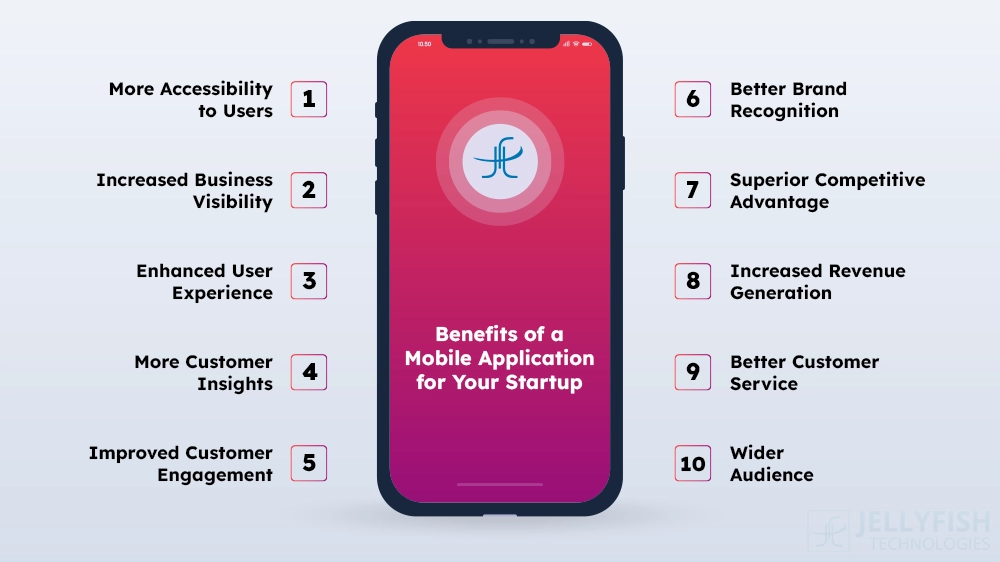
Mobile apps have become essential for startups aiming to scale quickly and connect directly with users. Whether you're building a fintech solution, eCommerce platform, or social app, mobile provides unmatched accessibility.
Key Benefits
- Direct communication with users
- Improved customer engagement
- Revenue generation opportunities
- Brand visibility and loyalty
| Channel | User Engagement Level | Conversion Rate |
|---|---|---|
| Website | Moderate | 2–5% |
| Mobile App | High | 10–20% |
Step 1: Validate Your App Idea

Before writing a single line of code, validate your idea. Many startups fail because they build products no one needs.
How to Validate
- Conduct market research
- Analyze competitors
- Identify your target audience
- Create a simple landing page
- Collect user feedback
Step 2: Define Your MVP (Minimum Viable Product)
An MVP includes only the core features needed to solve the primary problem. It allows you to launch quickly and test your idea in the real market.
| Full Product | MVP Version |
|---|---|
| All features | Core features only |
| High cost | Low cost |
| Long timeline | Fast launch |
Step 3: Choose the Right Platform
Decide whether to build for iOS, Android, or both. Your decision should depend on your target audience and budget.
| Platform | Pros | Cons |
|---|---|---|
| iOS | High revenue potential | Limited market share in some regions |
| Android | Wider audience | Device fragmentation |
| Cross-Platform | Cost-effective | Performance trade-offs |
Step 4: Choose the Right Development Approach
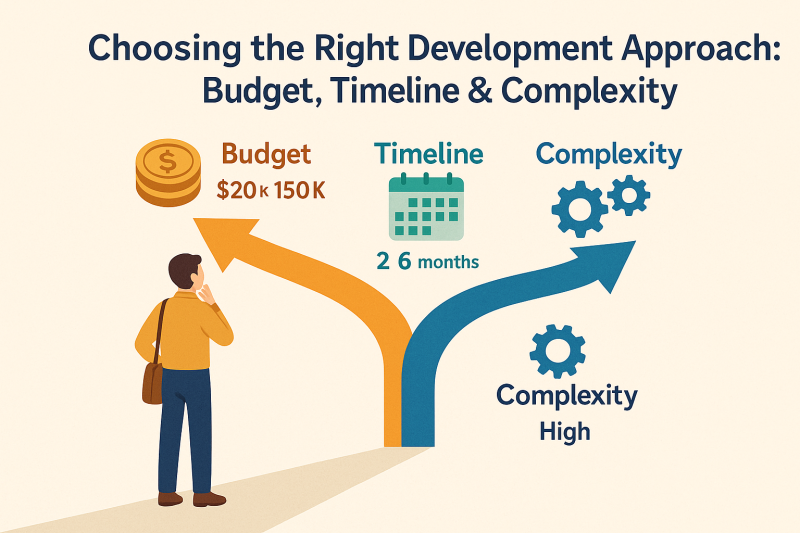
1. Native Development
Best performance and user experience but higher cost.
2. Cross-Platform Development
Single codebase for multiple platforms. Faster and cost-effective.
3. Hybrid Apps
Web-based apps wrapped in a mobile shell. Lower cost but limited performance.
Step 5: Hire the Right Development Team
Choosing the right team is one of the most important decisions you’ll make.
Working with a professional mobile app development agency in India ensures quality, scalability, and cost efficiency.
Options
- Freelancers
- In-house team
- Outsourcing agencies
| Option | Best For | Cost | Control |
|---|---|---|---|
| Freelancers | Small projects | Low | Low |
| In-house | Long-term projects | High | High |
| Agency | Startups | Moderate | Moderate |
Step 6: Design UI/UX
User experience plays a crucial role in app success. A well-designed app keeps users engaged and improves retention.
Key Principles
- Simple and intuitive design
- Fast loading speed
- Consistent layout
- User-friendly navigation
Step 7: Development Process

The development process typically follows agile methodology.
| Phase | Description |
|---|---|
| Planning | Define scope and timeline |
| Design | Create UI/UX |
| Development | Build features |
| Testing | Fix bugs |
| Deployment | Launch app |
Step 8: Testing Your App
Testing ensures your app is bug-free and performs well.
- Functional testing
- Performance testing
- Security testing
- User testing
Step 9: Launch Your App
Prepare for launch by optimizing your app store listing.
- App name and description
- Screenshots and videos
- Keywords and SEO
Step 10: Post-Launch Growth
After launch, focus on:
- User acquisition
- Retention strategies
- Feature updates
- Performance improvements
Cost of Building a Mobile App
| App Type | Estimated Cost | Timeline |
|---|---|---|
| Basic App | $5,000 – $15,000 | 1–3 months |
| Medium App | $15,000 – $50,000 | 3–6 months |
| Complex App | $50,000+ | 6–12 months |
Common Mistakes to Avoid
- Skipping market research
- Building too many features initially
- Ignoring user feedback
- Choosing the wrong development partner
Why Startups Choose India for App Development
India is a top destination for mobile app development due to its cost advantages and skilled developers.
| Factor | Advantage |
|---|---|
| Cost | Affordable development |
| Talent | Highly skilled engineers |
| Communication | Strong English proficiency |
| Experience | Global project exposure |
Conclusion
Building your first mobile application is a journey that requires careful planning, the right strategy, and a reliable development partner.
By following this complete guide, you can avoid common pitfalls and create an app that delivers real value to users.
If you're ready to bring your idea to life, partnering with a trusted app development company can help you build a scalable and successful product.
Call to Action
Have an app idea? Let’s turn it into a powerful mobile application.
📧 Email: [email protected]
📱 WhatsApp: +91 9586979730
Contact us today and start your app development journey with experts.
Blog ID: 1256Author: parth
Date: 26-03-2026
We to code. It's our passion










you can also reach us at our given
email address or phone number.