
Launching a mobile app is often the first major step for startups to reach users and scale fast. However, one of the biggest challenges early-stage companies face is managing development costs without sacrificing app quality. In this extensive guide, we walk you through practical strategies to build apps smartly — ensuring innovation, scalability, and cost-efficiency at every stage.
If you’re ready to accelerate your journey, work with experts — App Developers India — who specialize in helping startups ship successful mobile apps with smart budgeting and execution.
Why Cost Control Matters for Startup App Development
For startups, every rupee matters. Unlike large enterprises with deep pockets, startups must maximize value for every investment — and app development is no different. Strategic budgeting not only affects your runway but also influences investor confidence, product-market fit testing, and long-term sustainability.
Let’s examine some cost realities typically faced by startups:
| Cost Component | Description | Typical % of Total Budget |
|---|---|---|
| UI/UX Design | Visual layout, user experience research | 10–20% |
| Development | Coding backend + frontend + features | 40–55% |
| QA & Testing | Bug fixes, performance validation | 10–15% |
| Project Management | Coordination, sprint planning, tracking | 5–10% |
| Maintenance & Updates | Ongoing support after launch | 10–20% |
Smart Cost Control Starts With the Right Strategy

At the heart of cost-efficient mobile app building is strategy. This means shifting away from guesswork and toward a structured plan that considers priorities, user needs, and measurable milestones.
1. Begin with a Clear Vision and Prioritization
A common mistake startups make is building too many features upfront, leading to wasted resources and poor focus. To manage costs wisely:
- Define the core problem your app solves
- Break down features into “must-have” vs “nice-to-have”
- Focus initial development on core functionality (MVP)
This prioritization not only reduces initial development time but also helps you gather real user feedback before scaling feature scope.
2. Choose the Right Development Approach
There are multiple ways to build an app — each with cost implications. Understanding these can directly impact your budget and time-to-market.
| Approach | Pros | Cons | Best For |
|---|---|---|---|
| In-house team | Full control, custom code | Higher fixed costs, hiring overhead | Long-term product companies |
| Freelancers | Lower cost, flexible | Variable quality, management effort | Short-term, focused tasks |
| Outsourcing to experts | Faster delivery, proven processes | Relies on trust & communication | Startups with tight timelines |
| Cross-platform tools | One codebase for multiple platforms | Limited native control | Budget-focused builds |
Partnering with experienced teams like App Developers India ensures you get high-quality results without overspending.
The Power of an MVP (Minimum Viable Product)
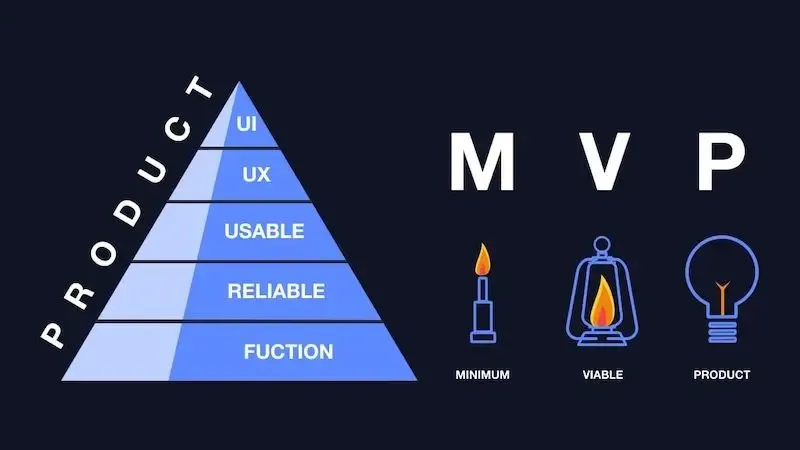
An MVP is not a stripped-down app — it’s a strategic version of your product designed to validate assumptions quickly and cheaply. By focusing on essential functionality, startups can:
- Launch faster
- Reduce initial spending
- Gather user behavior data
- Iterate based on real needs
This approach helps control development costs while minimizing risk. Once the MVP gains traction, additional features can be added based on proven demand.
📧 [email protected] | 📱 WhatsApp +91.9586979730
Where Startups Often Overspend — and How to Avoid It
Identifying common cost traps can help prevent unnecessary spending. Let’s look at typical overspending areas and smarter alternatives.
| Overspend Area | Typical Reason | Smart Alternative |
|---|---|---|
| Excessive Features | Building everything at once | Stage-based feature rollouts |
| Custom Tools Instead of Standards | Reinventing solutions already built | Use proven third-party SDKs & libraries |
| Poor Project Management | Scope changes & chaos | Agile workflows & clear documentation |
| Unplanned Testing | Testing too late in the cycle | Continuous QA throughout development |
Use Agile Development for Cost Transparency
Adopting agile practices helps teams reveal progress early, refine priorities, and prevent costly rework. Each sprint delivers measurable outcomes — allowing adjustments before major investments are made.
Instead of waiting until the end to see a finished product, agile breaks down work into smaller deliverables — giving startups better control over budget and flexibility.
Smart Technology Choices That Reduce Costs
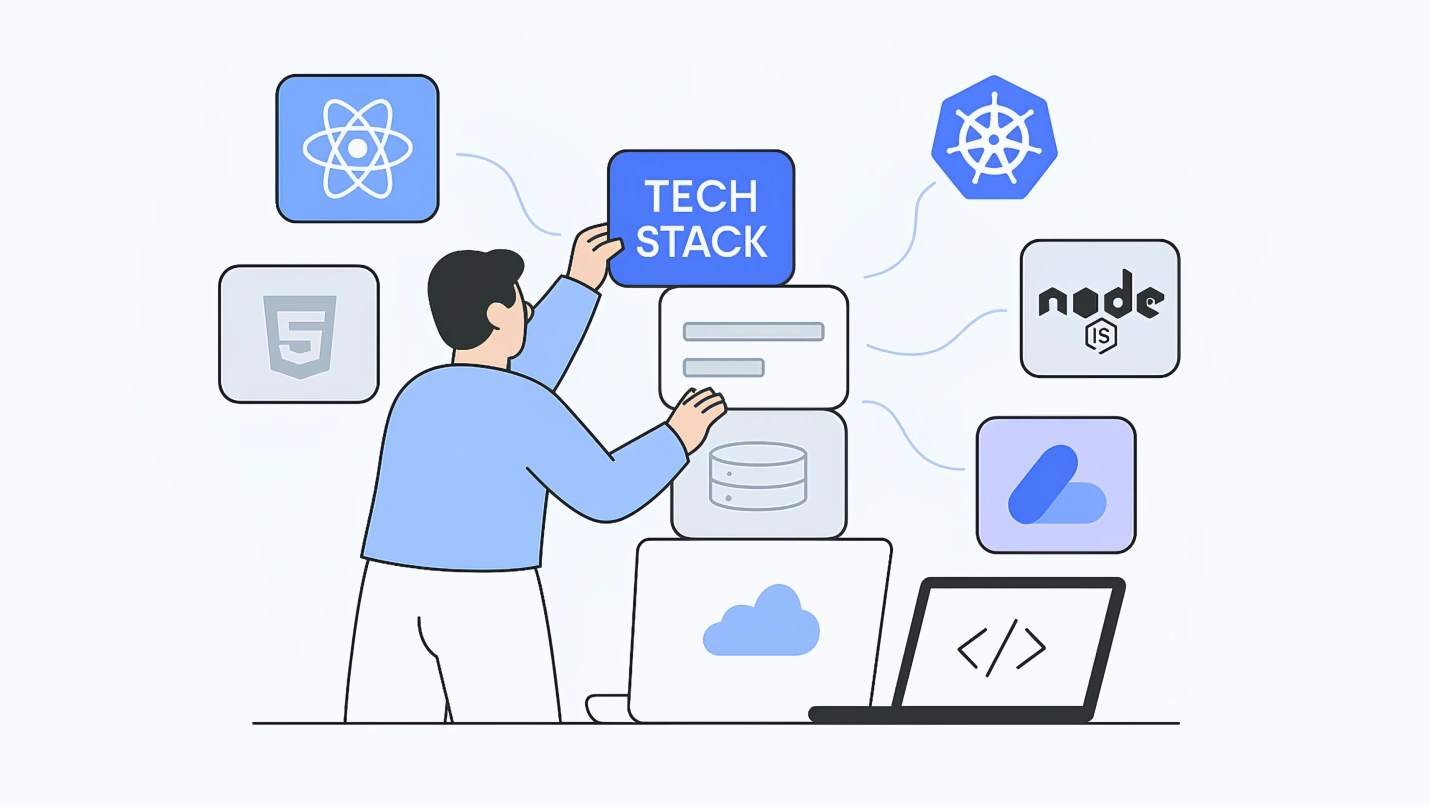
Selecting the right tech stack can greatly affect your overall budget. Here’s what to consider:
- Cross-platform frameworks (like Flutter or React Native) to reduce duplicate engineering
- Cloud backends to avoid server infrastructure costs
- APIs and existing services to avoid custom backend work
These smart decisions shift spending from heavy engineering toward validated product development — which is crucial for early-stage startups.
Effective Testing and Quality Assurance Strategies
Skipping or delaying testing often leads to expensive fixes later. Strategic QA involves:
- Automated test suites for repeatable testing
- Beta user groups for real-world feedback
- Performance testing to avoid crashes and bad reviews
By planning QA early, startups reduce bug-related costs and improve user satisfaction from day one.
📧 [email protected] | 📱 WhatsApp +91.9586979730
Planning for Post-launch Growth Without Exploding Costs
Once your app is live, cost concerns don’t disappear — they shift. Focus on:
- Actionable analytics to guide future investments
- Incremental feature rollouts based on feedback
- Optimized marketing strategies for user acquisition
Planning a scalable roadmap ensures your expenditures align with business needs and real performance metrics — not assumptions.
Conclusion: Building Smart Means Building Sustainable
Controlling development costs doesn’t mean cutting corners — it means being strategic at every step of your app journey. From clear prioritization and choosing the right development path to effective QA and growth planning, smart cost management empowers startups to compete crowd effectively.
If you’re looking for partners who understand both technology and business value, talk to App Developers India — a team dedicated to helping startups build strong, scalable, and cost-effective mobile apps.
🚀 Get started today! Contact us at 📧 [email protected] or reach out via 📱 WhatsApp +91.9586979730.
Blog ID: 1391Author: parth
Date: 03-04-2026
We to code. It's our passion








you can also reach us at our given
email address or phone number.