
The global sports betting industry has grown rapidly over the last decade, driven by the widespread adoption of smartphones, faster internet connectivity, and increasing digital engagement among sports fans. Online sportsbook platforms now handle millions of users, thousands of betting markets, and real-time data streams from sports events worldwide.
Behind every successful sportsbook platform lies a sophisticated technology architecture designed to deliver fast performance, real-time odds updates, secure transactions, and seamless user experiences. These systems must operate reliably even during peak traffic events such as major football finals, cricket tournaments, or global sporting competitions.
Building such scalable sportsbook platforms requires a combination of advanced backend infrastructure, cloud computing, real-time data processing, and secure payment systems. In this comprehensive guide, we will explore the technology architecture behind scalable online sportsbook platforms and how modern development strategies ensure high performance and reliability.
The Growing Demand for Scalable Sportsbook Platforms
Sports betting platforms experience highly unpredictable traffic patterns. On a regular day, user activity may be moderate. However, during major sporting events such as the FIFA World Cup, IPL matches, or the Super Bowl, millions of users may access the platform simultaneously to place bets and monitor live odds.
Without a scalable architecture, such traffic spikes could lead to slow performance, system crashes, or delayed odds updates—issues that can significantly impact user trust and revenue.
To address these challenges, businesses entering the sports betting industry must invest in reliable sports betting software development solutions that incorporate scalable infrastructure, advanced analytics, and real-time processing capabilities.
Core Components of a Sportsbook Technology Architecture
A modern sportsbook platform consists of multiple interconnected components that work together to deliver a seamless betting experience. These components handle everything from user authentication and odds calculation to payment processing and data streaming.
User Interface Layer
The user interface is the front-end layer where bettors interact with the platform. This includes web applications, mobile apps, and responsive websites.
The interface must be intuitive, responsive, and optimized for both desktop and mobile devices. It should allow users to easily browse betting markets, view live odds, place bets, and track their betting history.
Modern sportsbook interfaces are typically built using technologies such as React, Angular, or Vue.js for web platforms, and native or cross-platform frameworks for mobile apps.
Application Layer
The application layer handles business logic and communication between different components of the platform. It processes user requests, manages betting transactions, and coordinates interactions with backend services.
This layer ensures that when a user places a bet, the request is validated, odds are confirmed, and the transaction is recorded accurately.
Odds Management System
The odds management system is one of the most critical components of a sportsbook platform. It calculates and updates betting odds in real time based on live sports data, betting patterns, and probability models.
Advanced algorithms analyze historical statistics, team performance, player data, and live match events to generate accurate betting odds for multiple markets.
Betting Engine
The betting engine processes all wager-related operations. It validates bets, checks available balances, confirms odds, and records betting transactions.
This component must operate with extremely low latency because bettors expect instant confirmation when placing wagers.
Payment Processing System
Sportsbook platforms must support secure deposits and withdrawals. Payment gateways integrate with banks, digital wallets, and cryptocurrency networks to enable seamless financial transactions.
Secure payment processing ensures compliance with financial regulations and protects user funds.
Cloud Infrastructure and Scalability
 Scalability is essential for sportsbook platforms because traffic can increase dramatically during major sporting events. Cloud computing provides the flexibility and scalability needed to manage these fluctuations efficiently.
Cloud Hosting Platforms
Most modern sportsbook systems are hosted on cloud environments such as Amazon Web Services (AWS), Google Cloud Platform, or Microsoft Azure. These platforms provide on-demand computing resources, allowing sportsbooks to scale their infrastructure dynamically.
During peak betting periods, additional servers can be deployed automatically to handle increased user activity. When traffic decreases, resources can be scaled down to optimize costs.
Load Balancing
Load balancing distributes incoming traffic across multiple servers. This ensures that no single server becomes overloaded and improves overall system performance.
If one server fails, the load balancer automatically redirects traffic to other available servers, ensuring uninterrupted service.
Content Delivery Networks (CDN)
Content Delivery Networks improve platform performance by delivering static content such as images, scripts, and stylesheets from servers located closer to users. This reduces latency and improves page load times for bettors across different regions.
Microservices Architecture
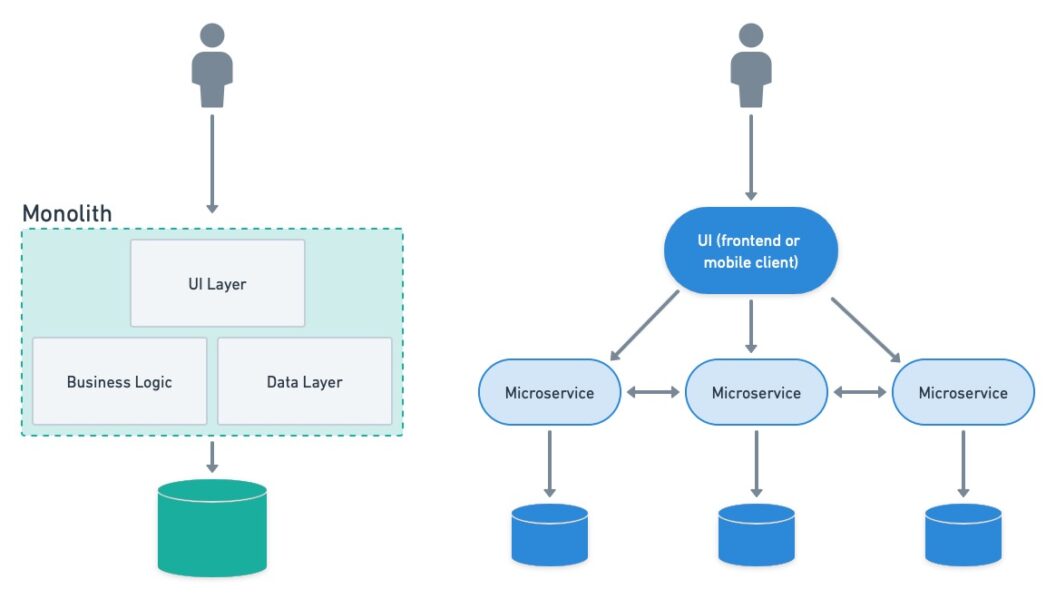
Traditional monolithic applications struggle to handle the complexity and scalability requirements of modern sportsbook platforms. To overcome these limitations, many platforms use microservices architecture.
In a microservices model, the platform is divided into smaller independent services that perform specific functions. For example, separate services may handle user authentication, odds calculation, bet processing, payment management, and notification systems.
Each microservice can be developed, deployed, and scaled independently. This approach improves flexibility, simplifies updates, and enhances system reliability.
Real-Time Data Processing
Live sports betting relies heavily on real-time data. Odds must change instantly when events occur during a match, such as goals, wickets, or penalties.
To achieve this level of responsiveness, sportsbook platforms use real-time data processing systems.
Sports Data Providers
Sportsbook platforms integrate with professional sports data providers that supply live match statistics and event updates through APIs. These data feeds provide critical information used to calculate betting odds.
Event Streaming Systems
Technologies such as Apache Kafka and RabbitMQ are commonly used to process and distribute real-time events across the platform. These systems allow different components to receive updates simultaneously and remain synchronized.
WebSockets for Instant Updates
WebSockets enable continuous communication between the server and the user's device. Instead of refreshing the page, bettors receive instant updates when odds change or when new betting markets become available.
Security and Compliance

Sportsbook platforms handle sensitive personal data and financial transactions, making security a top priority. Robust security measures help protect users and maintain regulatory compliance.
Data Encryption
All sensitive data must be encrypted using protocols such as SSL/TLS. Encryption ensures that information transmitted between the user and the platform remains secure.
Fraud Detection Systems
Advanced fraud detection systems monitor betting behavior to identify suspicious activities such as match-fixing attempts, bonus abuse, or unauthorized account access.
Identity Verification
Know Your Customer (KYC) procedures help verify user identities and prevent fraudulent activities. These processes are essential for maintaining regulatory compliance in many jurisdictions.
Performance Monitoring and Analytics
Continuous monitoring is essential for maintaining the reliability of sportsbook platforms. Performance monitoring tools track system health, server performance, and user activity in real time.
Analytics platforms also provide insights into user behavior, betting trends, and market performance. These insights help operators optimize betting markets and improve platform functionality.
Enhancing User Experience
While backend architecture is critical, user experience also plays a major role in the success of sportsbook platforms. Bettors expect fast navigation, intuitive interfaces, and reliable performance across devices.
Features such as live score updates, bet builders, cash-out options, and personalized recommendations enhance engagement and encourage repeat usage.
The Future of Sportsbook Technology
Emerging technologies are expected to transform sportsbook platforms in the coming years. Artificial intelligence and machine learning can improve odds predictions and detect unusual betting patterns.
Blockchain technology may enable transparent betting systems with provably fair outcomes. Meanwhile, augmented reality and immersive streaming could create new interactive betting experiences for sports fans.
As technology continues to evolve, sportsbook platforms will become more advanced, scalable, and engaging for users around the world.
Conclusion
The success of modern online sportsbook platforms depends heavily on their underlying technology architecture. From cloud infrastructure and microservices to real-time data processing and secure payment systems, every component plays a vital role in delivering reliable betting experiences.
Scalable architecture ensures that platforms can handle massive traffic spikes during major sporting events while maintaining performance and accuracy. By investing in advanced development strategies and modern technologies, businesses can build sportsbook platforms capable of serving millions of bettors worldwide.
Build Your Sportsbook Platform with BM Coder
If you are planning to launch a scalable online sportsbook platform, BM Coder provides expert development services tailored to the sports betting industry. Our team specializes in building secure, high-performance betting systems with real-time odds integration, scalable cloud infrastructure, and seamless user experiences.
Contact our team today to start building your next-generation sportsbook platform.
📧 Email: [email protected]
💬 WhatsApp: +91 9586979730
Author: parth
Date: 13-03-2026
We to code. It's our passion










you can also reach us at our given
email address or phone number.