Healthcare technology is transforming the way hospitals, clinics, laboratories, pharmaceutical companies, and digital health startups deliver medical services. From telemedicine platforms and patient portals to AI-powered diagnostics and remote monitoring systems, healthcare applications are becoming essential for modern medical operations.
However, one of the most common questions healthcare businesses ask before starting a project is:
“How much does healthcare app development cost?”
The answer depends on multiple technical, operational, regulatory, and business-related factors. Healthcare applications are significantly different from standard mobile or web applications because they involve sensitive patient data, complex workflows, compliance requirements, integrations, and enterprise-grade security systems.
Organizations planning digital healthcare solutions often work with experienced healthcare application development companies to build secure, scalable, and compliant platforms that align with business goals and patient expectations.
Why Healthcare App Development Costs Vary
Healthcare applications are highly specialized software systems. The development budget can vary depending on:
- Application complexity
- Number of features
- Platform requirements
- Compliance standards
- Third-party integrations
- Security infrastructure
- UI/UX requirements
- AI and analytics capabilities
- Cloud infrastructure
- Maintenance and scalability
A basic clinic appointment app may cost significantly less than a multi-hospital telemedicine ecosystem integrated with AI analytics and wearable device monitoring.
Main Factors That Drive Healthcare App Development Costs
1. Type of Healthcare Application
The first major factor affecting the budget is the type of healthcare platform being developed.
| Healthcare App Type | Complexity Level | Estimated Development Cost Impact |
|---|---|---|
| Appointment Booking App | Low | Lower Budget |
| Telemedicine Platform | High | High Budget |
| Hospital Management System | Very High | Enterprise-Level Budget |
| Remote Patient Monitoring App | High | High Budget |
| Healthcare Marketplace | Medium to High | Moderate to High Budget |
| AI Healthcare Platform | Very High | Premium Budget |
The broader the scope and complexity, the higher the development cost.
2. Platform Selection
Healthcare applications can be built for:
- Web platforms
- Android applications
- iOS applications
- Cross-platform systems
- Desktop healthcare software
Building separate native applications for Android and iOS increases development costs compared to cross-platform frameworks like React Native or Flutter.
Platform Cost Comparison
| Platform | Development Cost Impact |
|---|---|
| Single Platform | Lower |
| Android + iOS Native | Higher |
| Cross-Platform Development | Moderate |
| Web + Mobile Ecosystem | High |
Businesses often choose multi-platform healthcare ecosystems to maximize accessibility for patients and healthcare providers.
3. UI/UX Design Complexity
Healthcare applications require user-friendly interfaces because they serve multiple audiences including:
- Patients
- Doctors
- Nurses
- Administrators
- Laboratories
- Insurance providers
Advanced UI/UX design increases development costs because healthcare systems need:
- Accessibility-focused design
- Responsive interfaces
- Easy navigation
- Patient-friendly workflows
- Dashboard visualizations
- Interactive healthcare reports
Better user experience improves adoption and patient engagement, making design investment highly valuable.
4. Healthcare Compliance Requirements
Compliance is one of the biggest cost-driving factors in healthcare software development.
Healthcare applications must comply with industry regulations such as:
- HIPAA (USA)
- GDPR (Europe)
- HL7
- FHIR
- PIPEDA (Canada)
- FDA regulations for medical software
Compliance implementation involves:
- Encrypted data storage
- Access control systems
- Audit logs
- Secure APIs
- Data backup systems
- Authentication protocols
Regulatory compliance increases development effort but is essential for patient data security and legal operation.
5. Integration Requirements
Modern healthcare platforms rarely operate independently. They usually integrate with external systems such as:
- Electronic Health Records (EHR)
- Laboratory systems
- Pharmacy systems
- Insurance providers
- Payment gateways
- Wearable devices
- Video consultation APIs
Third-party integrations require additional API development, testing, and maintenance.
| Integration Type | Cost Impact |
|---|---|
| Payment Gateway | Low to Medium |
| EHR Integration | High |
| Wearable Device Integration | Medium to High |
| AI Analytics Integration | High |
| Insurance System Integration | Medium |
6. Telemedicine Features
Telemedicine functionality significantly increases development budgets because it requires advanced communication infrastructure.
Telemedicine systems typically include:
- Video conferencing
- Real-time chat
- Appointment scheduling
- Digital prescriptions
- Virtual waiting rooms
- Session recording
- Doctor availability management
Real-time video streaming and secure communication systems require specialized backend architecture and scalable cloud infrastructure.
7. Artificial Intelligence and Machine Learning Features
AI-powered healthcare applications involve higher development investments due to advanced data processing requirements.
AI healthcare capabilities may include:
- Predictive analytics
- Symptom checkers
- Medical image analysis
- AI chatbots
- Personalized treatment recommendations
- Risk prediction models
Machine learning systems require:
- Large datasets
- Data labeling
- AI model training
- Algorithm optimization
- Cloud GPU infrastructure
- Ongoing model improvements
AI features often increase both initial development and long-term operational costs.
8. Security Infrastructure
Security is one of the most important investments in healthcare application development.
Healthcare platforms handle highly sensitive patient information including:
- Medical records
- Prescription data
- Insurance information
- Diagnostic reports
- Payment details
Security implementation may include:
- End-to-end encryption
- Role-based access control
- Multi-factor authentication
- Intrusion detection systems
- Secure cloud infrastructure
- Data recovery systems
Strong security measures protect healthcare organizations from cyber threats and compliance violations.
9. Cloud Infrastructure and Scalability
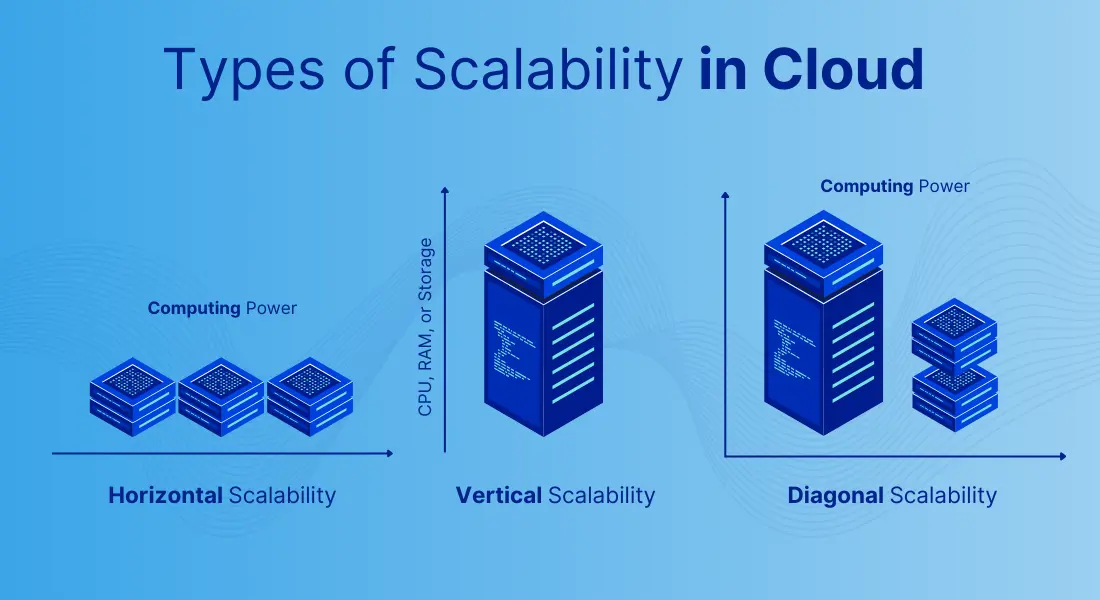
Cloud-based healthcare systems are becoming standard because they support scalability, remote accessibility, and centralized data management.
Cloud infrastructure costs depend on:
- Number of users
- Storage requirements
- Data processing volume
- Video consultation traffic
- AI processing requirements
- Backup and recovery systems
Popular healthcare cloud platforms include AWS, Microsoft Azure, and Google Cloud.
10. Development Team Structure
Healthcare app development requires multidisciplinary teams including:
- Frontend developers
- Backend developers
- UI/UX designers
- QA testers
- DevOps engineers
- Security specialists
- Healthcare compliance experts
- Project managers
The size and expertise level of the development team directly impact project budgets.
| Team Role | Contribution |
|---|---|
| Frontend Developers | User interface development |
| Backend Developers | Server-side logic and APIs |
| QA Engineers | Application testing and quality |
| Security Specialists | Data protection and compliance |
| DevOps Engineers | Deployment and cloud infrastructure |
11. Maintenance and Post-Launch Support
Healthcare application development costs do not end after launch. Ongoing maintenance is critical for:
- Security updates
- Bug fixes
- Performance optimization
- Compliance updates
- Server maintenance
- Feature upgrades
- Cloud monitoring
Most healthcare organizations allocate annual maintenance budgets to ensure platform stability and security.
12. Geographic Location of Development Team
Development costs also vary based on the location of the software development company.
| Region | Average Development Cost Range |
|---|---|
| North America | Very High |
| Western Europe | High |
| Eastern Europe | Moderate |
| India | Cost-Effective |
| Southeast Asia | Moderate |
Many healthcare businesses choose Indian healthcare software companies because they provide high-quality development services at competitive costs.
13. Features That Increase Healthcare App Costs
Certain advanced features significantly impact healthcare application budgets.
High-Cost Healthcare Features
- AI diagnostics
- Real-time video consultations
- Remote patient monitoring
- IoT integration
- Blockchain medical records
- Advanced analytics dashboards
- Voice assistant integration
- Wearable device synchronization
These features require specialized development expertise and advanced infrastructure.
14. MVP vs Full-Scale Healthcare Platform
Many healthcare startups begin with an MVP (Minimum Viable Product) to reduce initial investment and validate business ideas.
| MVP Development | Full-Scale Platform |
|---|---|
| Basic features only | Advanced enterprise features |
| Lower development budget | Higher investment |
| Faster launch timeline | Longer development period |
| Market validation focus | Scalability and expansion focus |
An MVP approach helps healthcare businesses launch quickly while controlling early-stage costs.
15. Long-Term ROI of Healthcare Applications
Although healthcare app development can require significant investment, digital healthcare platforms often generate strong long-term returns.
Benefits include:
- Improved patient retention
- Operational efficiency
- Reduced administrative workload
- Enhanced healthcare accessibility
- Higher patient satisfaction
- Better healthcare outcomes
- Scalable business growth
Healthcare digitization also creates competitive advantages in rapidly evolving medical markets.
How to Optimize Healthcare App Development Costs
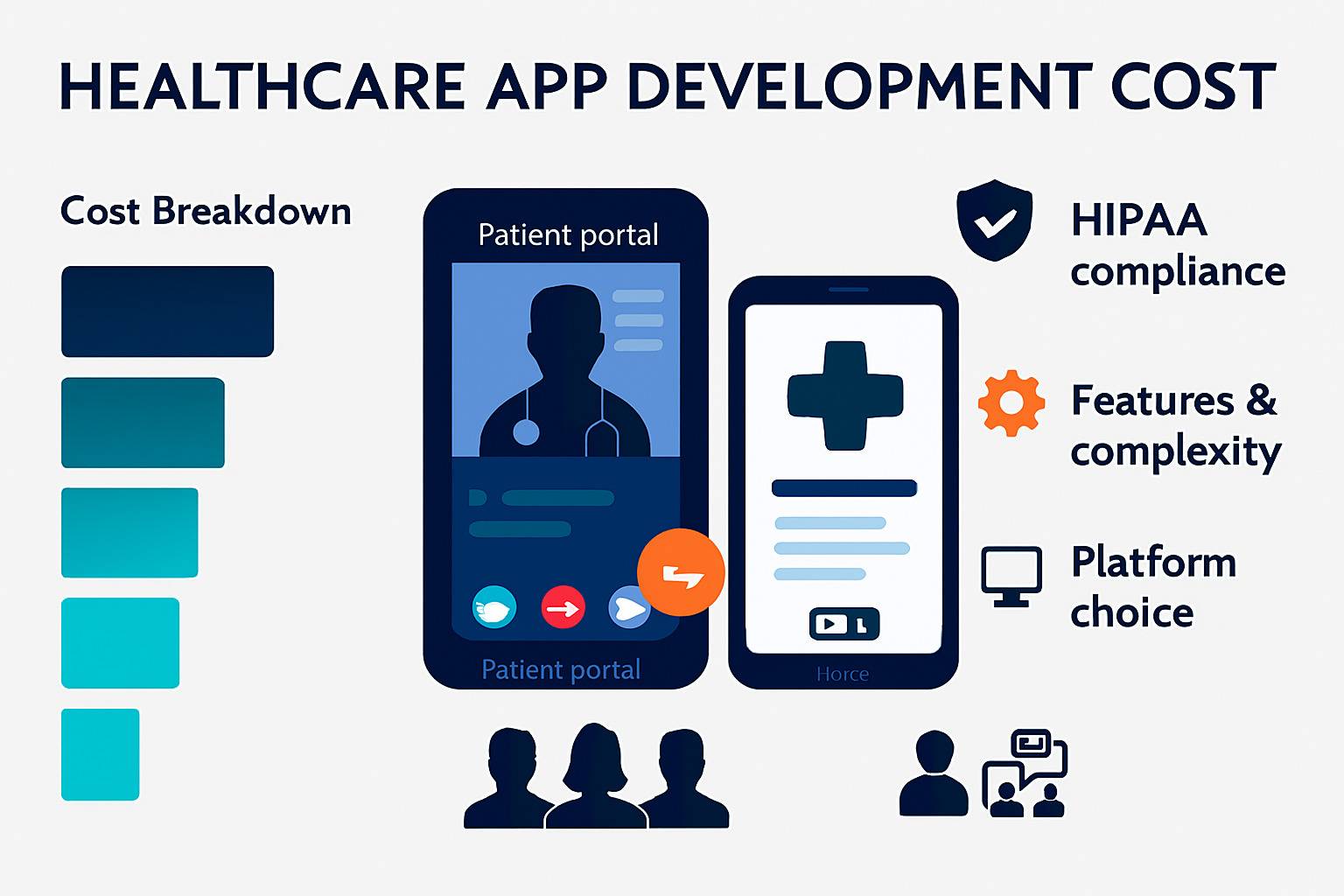
Healthcare organizations can optimize budgets through strategic planning and phased development approaches.
Cost Optimization Strategies
- Start with MVP development
- Use scalable cloud infrastructure
- Choose cross-platform frameworks
- Prioritize essential features first
- Partner with experienced healthcare developers
- Use modular architecture
- Plan integrations early
Smart planning reduces unnecessary expenses while maintaining platform quality and scalability.
Technologies Commonly Used in Healthcare App Development
| Technology | Purpose |
|---|---|
| React.js | Healthcare frontend interfaces |
| Node.js | Backend healthcare APIs |
| Python | AI and analytics systems |
| MongoDB | Flexible healthcare databases |
| PostgreSQL | Structured medical data management |
| AWS / Azure | Cloud healthcare infrastructure |
| WebRTC | Video consultation systems |
Conclusion
Healthcare app development costs depend on multiple interconnected factors including platform complexity, compliance requirements, integrations, security systems, cloud infrastructure, AI capabilities, and scalability goals.
Modern healthcare applications require advanced architecture, secure data handling, user-friendly experiences, and regulatory compliance, making healthcare software development more specialized than traditional app development.
Businesses investing in healthcare technology should focus not only on development costs but also on long-term value, operational efficiency, patient engagement, and future scalability.
Choosing the right healthcare software development partner can significantly improve project success while optimizing budgets and ensuring compliance-ready solutions.
CTA — Build Secure and Scalable Healthcare Applications with BM Coder
Planning to build a healthcare application, telemedicine platform, patient portal, healthcare CRM, or AI-powered medical solution?
Developers App India BM Coder specializes in healthcare software development tailored for hospitals, clinics, healthcare startups, laboratories, and enterprise healthcare organizations.
Our team develops secure, scalable, HIPAA-compliant healthcare platforms with modern technologies and future-ready architecture.
Contact us today to discuss your healthcare app development project:
📧 Email: [email protected]
📱 WhatsApp: +91.9586979730
Blog ID: 1549Author: parth
Date: 11-05-2026
We to code. It's our passion









you can also reach us at our given
email address or phone number.