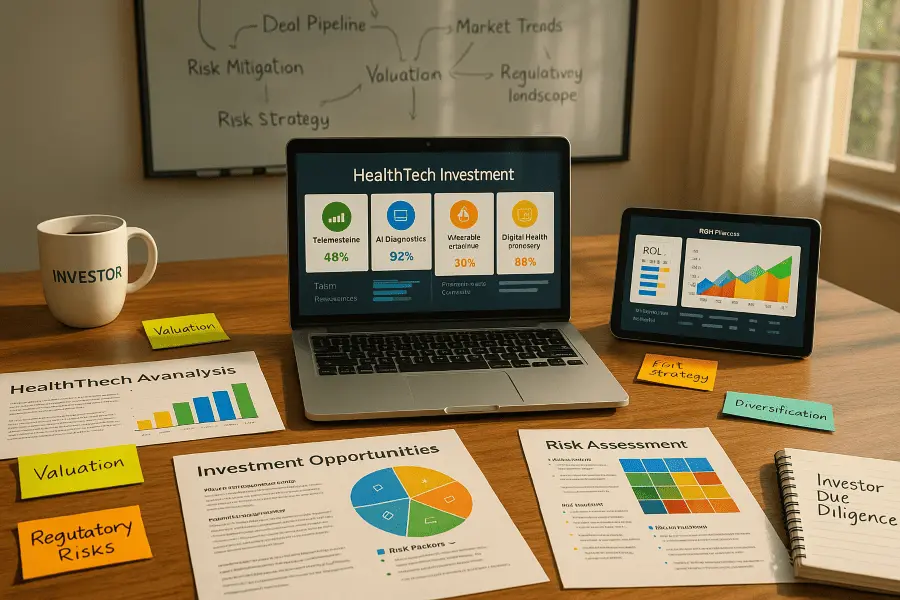
The healthcare industry is rapidly transforming through digital innovation. Virtual healthcare platforms, telemedicine applications, remote patient monitoring systems, and digital consultation tools are becoming essential components of modern healthcare ecosystems. Patients today expect accessible, convenient, secure, and fast healthcare experiences from anywhere in the world.
As demand for digital healthcare services continues to grow, healthcare providers, startups, hospitals, clinics, and enterprises are investing heavily in virtual healthcare technologies. However, one of the biggest questions businesses ask before entering the digital healthcare space is: What factors influence investment in virtual healthcare platforms?
The answer involves multiple technical, operational, financial, security, compliance, and business considerations. The total investment in a telemedicine platform depends on platform complexity, features, scalability requirements, security standards, AI integration, cloud infrastructure, compliance regulations, and long-term business goals.
At Developers App India, we help healthcare organizations build scalable and secure digital healthcare ecosystems through advanced telemedicine app development tailored to modern patient expectations and business growth strategies.
The Growing Demand for Virtual Healthcare Platforms
Virtual healthcare platforms have experienced massive global growth in recent years. Patients increasingly prefer remote healthcare solutions because they provide convenience, reduce travel time, and improve healthcare accessibility.
Healthcare organizations are now adopting digital platforms to:
- Expand patient reach
- Reduce operational costs
- Improve patient engagement
- Provide 24/7 healthcare access
- Support remote consultations
- Enhance healthcare efficiency
- Improve treatment continuity
- Enable AI-powered healthcare services
This rising demand directly impacts investment decisions for healthcare software development.
What Is a Virtual Healthcare Platform?
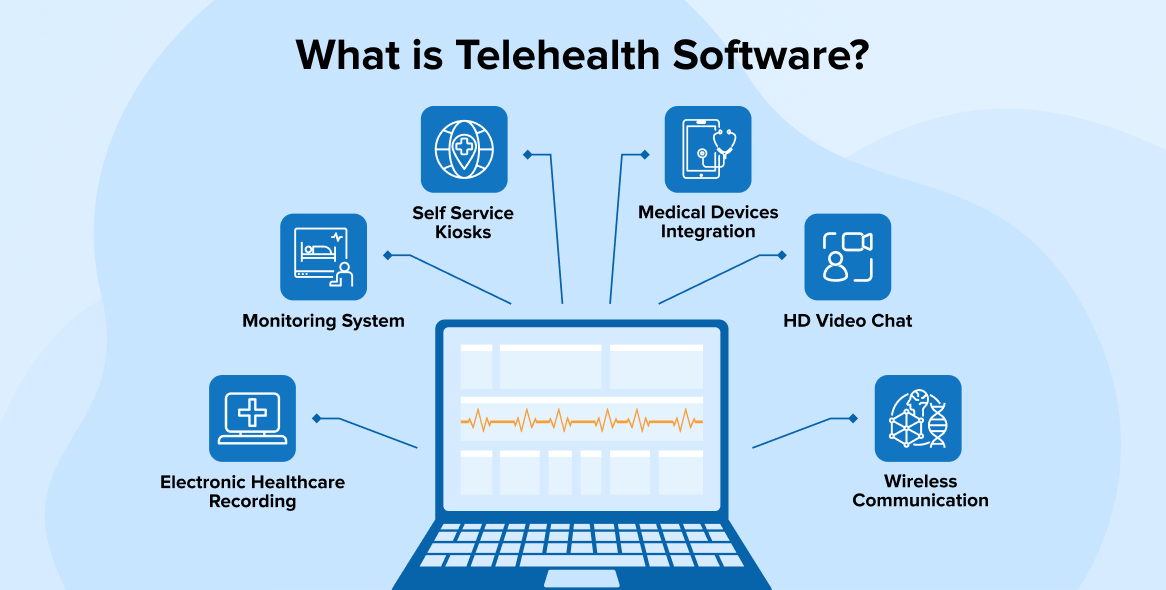
A virtual healthcare platform is a digital system that enables patients and healthcare providers to communicate remotely through mobile apps, web applications, or cloud-based healthcare ecosystems.
These platforms typically include:
- Video consultations
- Online appointment schedulingElectronic health records
- Prescription management
- Patient monitoring
- AI-powered diagnostics
- Secure messaging
- Payment integration
- Health tracking dashboards
- Doctor-patient communication systems
The complexity and scale of these features significantly influence development investment.
Major Factors That Influence Investment in Virtual Healthcare Platforms
1. Platform Features and Functionalities
The number and complexity of features are among the biggest investment factors.
Basic telemedicine platforms may include only video consultations and appointment booking, while advanced systems support AI diagnostics, wearable integration, patient analytics, and real-time health monitoring.
| Feature Type | Investment Impact |
|---|---|
| Video Consultation | Medium |
| AI-Based Diagnostics | High |
| Patient Dashboard | Medium |
| EHR Integration | High |
| Chat & Messaging | Medium |
| Remote Monitoring | High |
| Wearable Device Integration | High |
| Analytics & Reporting | Medium to High |
More advanced functionalities require additional development resources, testing, infrastructure, and maintenance.
2. Platform Type and Device Compatibility
Investment also depends on whether the platform is developed for:
- Web applications
- Android applications
- iOS applications
- Cross-platform systems
- Desktop healthcare software
Cross-platform healthcare apps often reduce long-term costs while improving scalability and accessibility.
Importance of Security and Compliance
Healthcare platforms manage highly sensitive patient information. Therefore, compliance and security are critical investment factors.
Healthcare organizations must ensure:
- HIPAA compliance
- GDPR compliance
- Encrypted communication
- Secure cloud storage
- Role-based access control
- Data backup systems
- Multi-factor authentication
- Secure APIs
Security-focused infrastructure significantly increases development investment but is essential for patient trust and legal compliance.
Role of AI and Automation in Investment Costs
Artificial intelligence is revolutionizing virtual healthcare platforms.
AI integration enables:
- Smart symptom checking
- Predictive analytics
- Patient risk analysis
- Automated scheduling
- AI chatbots
- Clinical decision support
- Voice recognition systems
- Health trend monitoring
Although AI features improve efficiency and user experience, they require advanced machine learning models, data processing systems, and specialized development expertise.
Cloud Infrastructure and Scalability
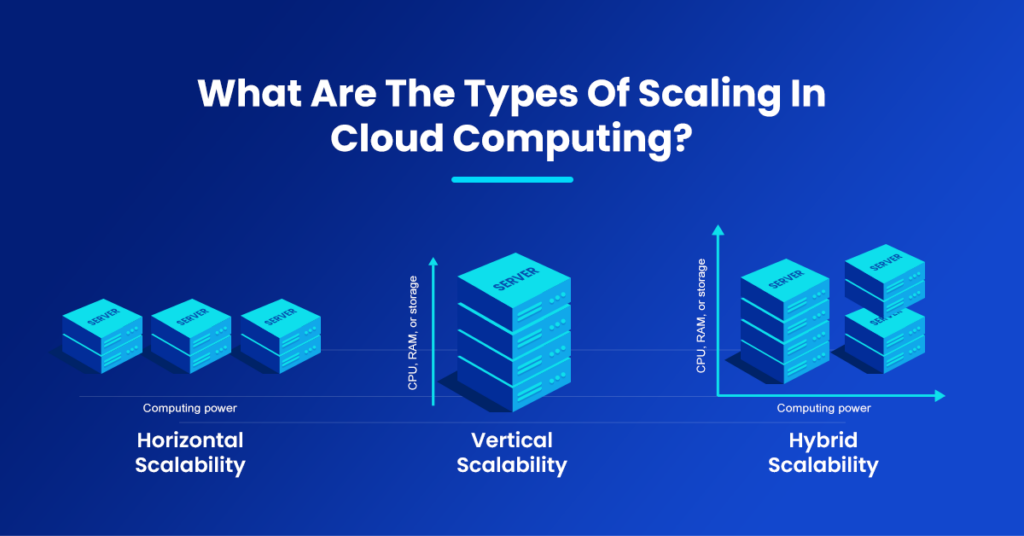
Scalable infrastructure is essential for modern telemedicine platforms.
Healthcare applications must support:
- Thousands of concurrent users
- High-quality video streaming
- Secure cloud databases
- Real-time synchronization
- Continuous uptime
- Global accessibility
Cloud providers like AWS, Google Cloud, and Microsoft Azure help healthcare businesses scale efficiently, but infrastructure costs increase with platform growth.
| Infrastructure Component | Purpose |
|---|---|
| Cloud Hosting | Scalable deployment |
| CDN Services | Fast global access |
| Load Balancers | Traffic distribution |
| Video Servers | Telemedicine streaming |
| Database Systems | Patient data storage |
| Backup Servers | Disaster recovery |
UI/UX Design and User Experience
User-friendly healthcare interfaces improve patient engagement and satisfaction.
Healthcare platforms must provide:
- Simple navigation
- Easy appointment booking
- Accessible dashboards
- Responsive design
- Fast loading speed
- Mobile optimization
- Accessibility support
- Intuitive healthcare workflows
Advanced UI/UX design increases development investment but improves long-term user retention.
Video Consultation Technology
Video consultation is one of the core components of virtual healthcare platforms.
Investment depends on:
- HD video quality
- Low-latency communication
- Encrypted streaming
- Real-time audio processing
- Cross-device compatibility
- Session recording
- Bandwidth optimization
- Screen sharing features
Reliable video infrastructure requires specialized communication technologies like WebRTC and scalable server architecture.
Third-Party Integrations
Modern telemedicine platforms often integrate with external healthcare systems and services.
Common Integrations
- Payment gateways
- EHR systems
- Insurance systems
- Pharmacy management systems
- Laboratory systems
- AI APIs
- Calendar systems
- SMS and email services
Each integration adds development complexity and impacts overall investment.
Healthcare Industry Regulations
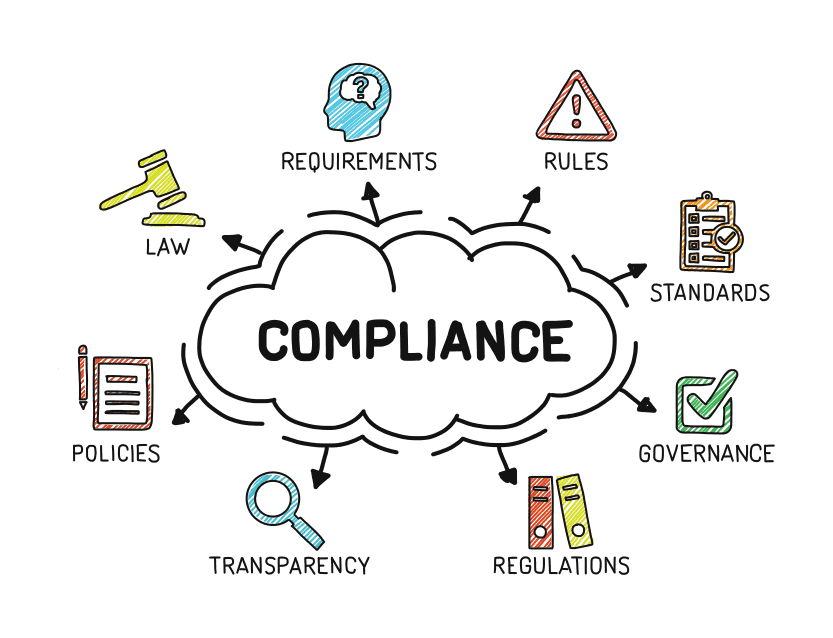
Different countries have different healthcare regulations. Compliance requirements influence platform architecture, hosting infrastructure, data storage policies, and security frameworks.
Healthcare businesses investing in international telemedicine systems must consider:
- Country-specific regulations
- Data localization requirements
- Healthcare licensing laws
- Patient privacy standards
- Cross-border healthcare restrictions
Regulatory compliance increases planning and implementation investment.
Maintenance and Long-Term Operational Costs
Building a virtual healthcare platform is not a one-time investment. Continuous maintenance is necessary for performance, security, and scalability.
Ongoing Maintenance Includes:
- Security updates
- Bug fixes
- Cloud infrastructure management
- Feature enhancements
- API upgrades
- Performance optimization
- Compliance updates
- Technical support
Long-term maintenance planning is essential for sustainable healthcare platforms.
How Development Team Structure Influences Investment
The expertise and size of the development team significantly impact project cost and quality.
| Development Role | Responsibility |
|---|---|
| UI/UX Designer | Platform interface design |
| Frontend Developer | User-side application development |
| Backend Developer | Server-side systems |
| Mobile Developer | Android/iOS applications |
| DevOps Engineer | Cloud deployment & scalability |
| QA Engineer | Testing and quality assurance |
| Security Expert | Compliance and protection |
| AI Engineer | Machine learning integration |
Highly experienced healthcare software teams ensure secure and scalable solutions while reducing long-term technical risks.
Importance of Scalability for Future Growth
Healthcare startups and enterprises must build platforms that can scale with future growth.
Scalable telemedicine platforms support:
- Increasing patient traffic
- Multiple healthcare providers
- Large medical databases
- International expansion
- Advanced AI integrations
- Multi-language support
- Cloud-based expansion
- Enterprise-level healthcare services
Scalability-focused architecture may require higher initial investment but reduces future redevelopment costs.
Benefits of Investing in Virtual Healthcare Platforms
Despite development investment, virtual healthcare systems provide substantial long-term benefits.
Business Benefits
- Expanded patient reach
- Higher patient retention
- Reduced operational costs
- Improved healthcare accessibility
- Better patient engagement
- Enhanced treatment continuity
- Data-driven healthcare insights
- Competitive market advantage
Future Trends Influencing Telemedicine Investment
Future healthcare technology trends continue shaping investment decisions.
Emerging Trends
- AI-driven healthcare automation
- Wearable health monitoring
- Blockchain healthcare security
- Virtual reality therapy
- Voice-based healthcare systems
- Predictive analytics
- Smart hospital ecosystems
- 5G-enabled telemedicine
Businesses investing early in these technologies gain long-term innovation advantages.
Why Choose Developers App India BM Coder for Telemedicine Development
Developers App India BM Coder provides advanced healthcare software development solutions tailored for modern medical organizations, startups, clinics, and hospitals.
We specialize in:
- Telemedicine app development
- Healthcare dashboard systems
- AI-powered healthcare applications
- Patient monitoring platforms
- Mental wellness applications
- HIPAA-compliant healthcare software
- Doctor appointment systems
- Cross-platform healthcare apps
Our development approach focuses on security, scalability, innovation, and user-centered healthcare experiences.
Build a Scalable Virtual Healthcare Platform
Looking to develop a secure and feature-rich telemedicine platform for your healthcare business?
Developers App India BM Coder helps healthcare organizations create advanced digital healthcare ecosystems tailored for future growth.
Email: [email protected]
WhatsApp: +91.9586979730
Conclusion
Investment in virtual healthcare platforms depends on multiple technical, operational, security, and business factors. From AI integration and cloud scalability to compliance and user experience, every component influences the total development investment.
As healthcare organizations continue adopting digital transformation strategies, telemedicine platforms will become increasingly essential for patient engagement, healthcare accessibility, and operational efficiency.
Businesses that invest in scalable, secure, and innovative virtual healthcare solutions today will be better positioned for future growth in the rapidly evolving healthcare industry.
With the right development strategy and technology partner, healthcare organizations can create high-performance telemedicine platforms that improve patient experiences while driving long-term business success.
Blog ID: 1536Author: parth
Date: 08-05-2026
We to code. It's our passion









you can also reach us at our given
email address or phone number.