
In the evolving world of startups, speed, efficiency, and access to top talent are critical factors for success. Traditional hiring models are rapidly being replaced by remote-first strategies, especially when it comes to building product teams. Today, startups across the globe are embracing remote teams not just as an alternative—but as a competitive advantage.
From Silicon Valley to emerging startup ecosystems, founders are leveraging distributed teams to innovate faster, reduce costs, and scale efficiently. This shift has made it increasingly popular to hire app developers in India, where businesses gain access to skilled professionals at competitive rates.
In this comprehensive guide, we will explore why startups are choosing remote product teams, how to build and manage them effectively, and what best practices you should follow to ensure long-term success.
The Rise of Remote Product Teams
The concept of remote work has existed for years, but it gained massive momentum during global disruptions and technological advancements. Today, startups are no longer bound by geographical limitations.
Remote product teams typically include developers, designers, product managers, QA engineers, and DevOps specialists working from different locations but collaborating seamlessly using digital tools.
Key Drivers Behind the Shift

- Advancements in communication tools
- Increased internet accessibility
- Demand for faster product development
- Global competition for talent
| Factor | Traditional Teams | Remote Teams |
|---|---|---|
| Hiring Reach | Local | Global |
| Operational Cost | High | Lower |
| Flexibility | Limited | High |
| Scalability | Slow | Fast |
Top Reasons Startups Build Remote Product Teams
1. Access to Global Talent
One of the biggest advantages of remote teams is the ability to tap into a global talent pool. Startups are no longer restricted to hiring within their city or country.
Countries like India have become major tech hubs, offering highly skilled developers with expertise in modern technologies.
2. Significant Cost Savings
Budget constraints are a common challenge for startups. Remote teams help reduce expenses related to:
- Office space
- Infrastructure
- Employee benefits
| Expense Type | In-House Team | Remote Team |
|---|---|---|
| Office Rent | High | None |
| Utilities | High | Minimal |
| Equipment | Provided | Often Self-managed |
3. Faster Time-to-Market

Remote teams across different time zones can work around the clock, enabling faster development cycles and quicker product launches.
4. Scalability and Flexibility
Startups can easily scale their teams up or down based on project requirements. This flexibility is crucial during different stages of product development.
5. Focus on Core Business
By outsourcing development tasks to remote teams, founders can focus on strategic aspects such as marketing, fundraising, and customer acquisition.
How to Build a Successful Remote Product Team
1. Define Clear Goals and Requirements
Start with a clear roadmap. Define your product vision, features, and timelines before onboarding a remote team.
2. Choose the Right Hiring Model
Depending on your needs, you can choose from different engagement models:
| Model | Description | Best For |
|---|---|---|
| Freelancers | Independent professionals | Short-term tasks |
| Dedicated Team | Full-time remote team | Long-term projects |
| Outsourcing Agency | Managed development services | End-to-end solutions |
Many startups prefer to hire dedicated developers in India to ensure consistency and long-term collaboration.
3. Use the Right Tools
Efficient collaboration requires the right tools:
- Communication: Slack, Microsoft Teams
- Project Management: Jira, Trello
- Version Control: GitHub, GitLab
- Design Collaboration: Figma
4. Establish Strong Communication Practices
Communication gaps can lead to project delays. To avoid this:
- Schedule regular meetings
- Maintain clear documentation
- Set expectations early
5. Focus on Company Culture
Even remote teams need a strong sense of belonging. Encourage collaboration, celebrate achievements, and maintain transparency.
Challenges of Remote Product Teams (and Solutions)
1. Time Zone Differences
Solution: Create overlapping work hours and use asynchronous communication.
2. Communication Barriers
Solution: Use clear documentation and visual tools.
3. Productivity Tracking
Solution: Use project management tools and performance metrics.
4. Security Concerns
Solution: Implement secure access protocols and NDAs.
Cost Breakdown of Remote Product Development
| Service | Estimated Cost (USD) |
|---|---|
| UI/UX Design | $1,000 - $6,000 |
| App Development | $8,000 - $60,000+ |
| Testing & QA | $1,500 - $6,000 |
| Maintenance | $500 - $3,000/month |
Best Practices for Managing Remote Teams
- Set clear KPIs
- Maintain transparency
- Encourage feedback
- Use agile methodologies
- Invest in team building
Why India is a Preferred Destination for Remote Teams
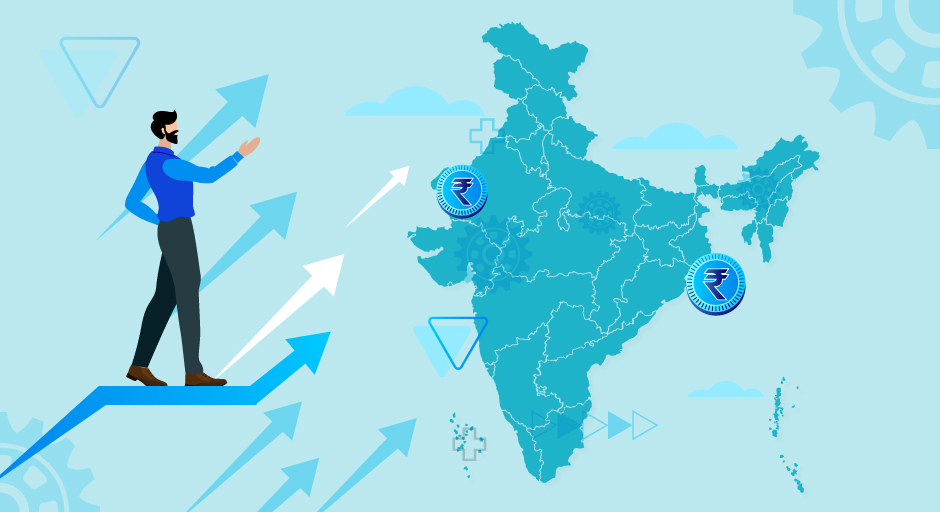
India has become a top choice for startups looking to build remote product teams. Here’s why:
- Large pool of skilled developers
- Competitive pricing
- Strong technical education system
- Experience with global clients
This is why many founders choose to hire app developers in India to accelerate their product development journey.
CTA: Build Your Remote Product Team Today
Looking to build a high-performing remote product team? Developers App India can help you turn your vision into reality with expert developers and proven processes.
Get in touch today:
📧 Email: [email protected]
📱 WhatsApp: +91 9586979730
Let’s build your next big product together.
Final Thoughts
The shift toward remote product teams is not just a trend—it’s a strategic move that enables startups to innovate faster, reduce costs, and access world-class talent.
By adopting the right tools, processes, and management strategies, startups can overcome challenges and build successful products with distributed teams.
If you’re planning to scale your startup, now is the perfect time to hire app developers in India and leverage the power of remote collaboration.
Blog ID: 1415Author: parth
Date: 07-04-2026
We to code. It's our passion







you can also reach us at our given
email address or phone number.