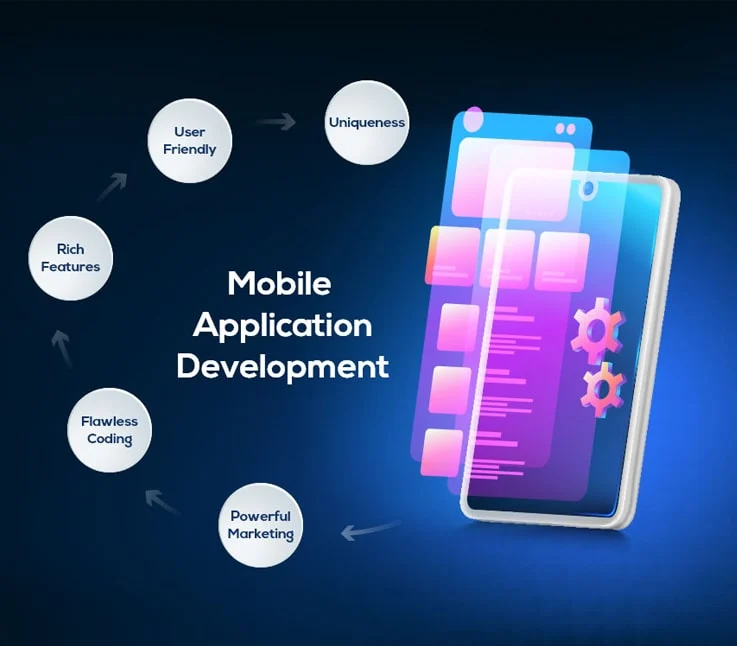
In today’s digital era, startups are constantly looking for ways to reach users faster, engage them effectively, and scale rapidly. One strategy that has consistently proven successful is adopting a mobile-first approach. With billions of smartphone users worldwide, mobile-first products have become the foundation of modern startup success.
From social media platforms to fintech apps and on-demand services, mobile applications are at the center of innovation. Businesses that invest in mobile app development early gain a competitive edge by delivering seamless user experiences directly to customers’ fingertips.
What Is a Mobile-First Product?
A mobile-first product is designed primarily for mobile devices before being adapted for desktops or other platforms. This approach ensures that the core functionality, design, and user experience are optimized for smaller screens and touch interactions.
Instead of treating mobile as an afterthought, startups prioritize it from the beginning, ensuring faster performance, intuitive navigation, and higher engagement.
Why Mobile-First Products Are Dominating Startups
1. Massive Growth in Mobile Users
The number of smartphone users globally has grown exponentially. Mobile devices are now the primary means of accessing the internet for billions of people.
| Device Type | Global Usage Share |
|---|---|
| Mobile | 60%+ |
| Desktop | 35% |
| Tablet | 5% |
This shift makes mobile-first strategies essential for startups aiming to reach a wider audience.
2. Better User Engagement

Mobile apps offer personalized experiences, push notifications, and seamless navigation, leading to higher engagement compared to websites.
Users spend significantly more time on mobile apps than on mobile browsers, making apps a powerful tool for retention.
3. Faster Time-to-Market
Startups can quickly launch minimum viable products (MVPs) using mobile-first development strategies, test ideas, and iterate based on user feedback.
4. Enhanced User Experience
Mobile-first design focuses on simplicity, speed, and usability. Features like touch gestures, GPS, camera integration, and offline access enhance the overall experience.
5. Higher Conversion Rates
Mobile apps provide smoother checkout processes, saved preferences, and faster interactions, resulting in higher conversion rates.
Mobile-First vs Desktop-First Approach
| Factor | Mobile-First | Desktop-First |
|---|---|---|
| User Experience | Optimized for mobile | Adapted later |
| Performance | Fast and lightweight | Often heavy |
| Development Approach | Progressive enhancement | Graceful degradation |
| Engagement | High | Moderate |
Key Industries Benefiting from Mobile-First Products
- FinTech (mobile banking, payments)
- eCommerce (shopping apps)
- HealthTech (telemedicine apps)
- EdTech (learning platforms)
- On-demand services (ride-hailing, delivery)
Core Features of Successful Mobile-First Products
| Feature | Benefit |
|---|---|
| Push Notifications | Increase engagement |
| Offline Mode | Improves accessibility |
| Fast Loading | Enhances user experience |
| Personalization | Boosts retention |
| Secure Payments | Builds trust |
Why Startups Should Invest in Mobile App Development
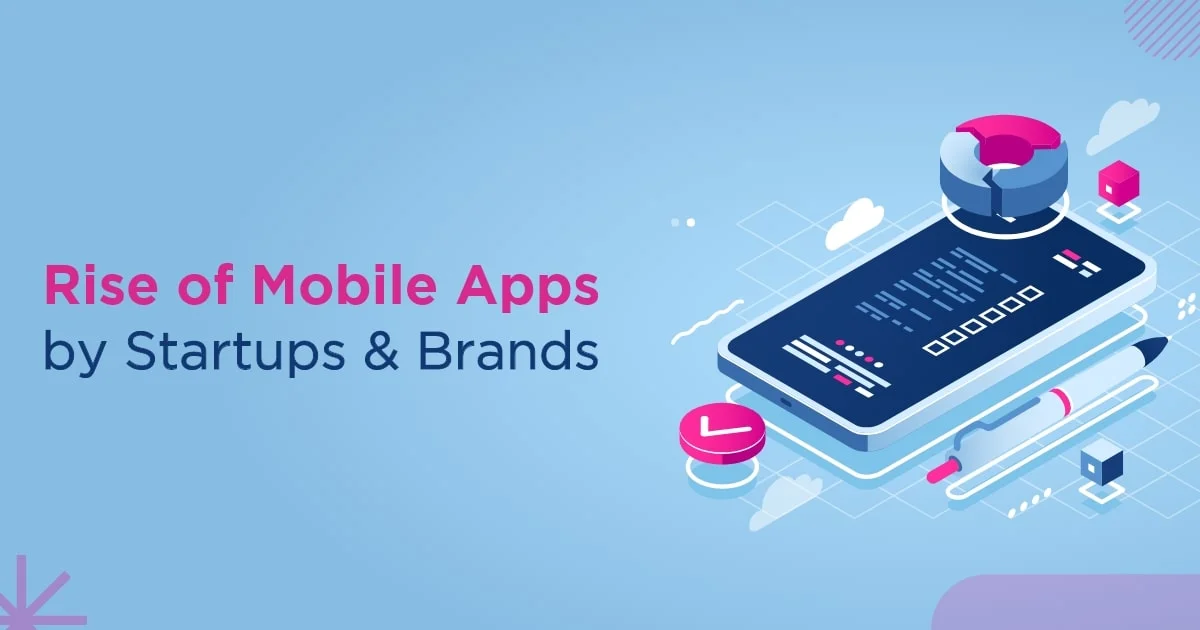
Investing in mobile app development is no longer optional—it’s essential for growth. Mobile apps help startups:
- Reach a global audience
- Build strong brand presence
- Improve customer engagement
- Generate higher revenue
- Gain valuable user insights
Challenges of Mobile-First Development
1. Device Fragmentation
Solution: Use cross-platform frameworks and thorough testing.
2. Performance Optimization
Solution: Optimize code and use efficient backend systems.
3. Security Concerns
Solution: Implement strong encryption and secure APIs.
Best Practices for Mobile-First Product Development
- Focus on simplicity and usability
- Optimize for speed and performance
- Use responsive design
- Prioritize essential features
- Continuously test and improve
Cost Breakdown of Mobile App Development
| Component | Estimated Cost Range |
|---|---|
| UI/UX Design | $1,000 – $5,000 |
| Frontend Development | $5,000 – $20,000 |
| Backend Development | $5,000 – $25,000 |
| Testing | $1,000 – $5,000 |
| Maintenance | Ongoing |
Future of Mobile-First Startups

With advancements in 5G, AI, and cloud computing, mobile-first products will continue to dominate the startup ecosystem. Emerging technologies will further enhance mobile experiences, making them more immersive and efficient.
Conclusion
Mobile-first products are reshaping the startup landscape. They offer unmatched accessibility, engagement, and scalability, making them the preferred choice for modern businesses.
Startups that prioritize mobile app development early can build stronger connections with users and achieve long-term success.
🚀 Call to Action
Ready to build a powerful mobile-first product for your startup?
Developers App India specializes in delivering high-quality mobile applications tailored to your business needs.
📧 Email: [email protected]
📱 WhatsApp: +91.9586979730
Let’s turn your idea into a successful mobile app today!
Blog ID: 1434Author: parth
Date: 10-04-2026
We to code. It's our passion







you can also reach us at our given
email address or phone number.