Understanding the Android and iOS app development cost is essential for startups, enterprises, and global businesses planning to launch mobile applications across both platforms. Building apps for Android and iOS involves multiple variables, including platform strategy, feature complexity, design standards, security requirements, and long-term maintenance.
Businesses targeting a global audience often choose to develop applications for both Android and iOS to maximize reach and engagement. However, developing for two platforms can significantly impact overall project cost if not planned strategically.
This page provides a detailed, global overview of Android and iOS app development pricing. For a broader perspective on worldwide pricing benchmarks, explore our mobile app development cost guide.
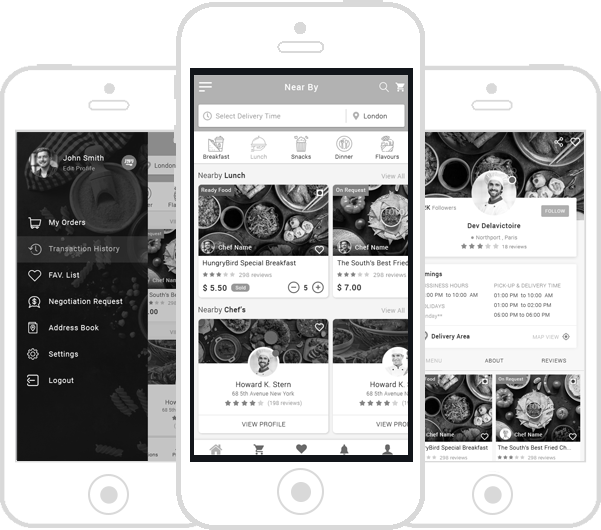
How Much Does Android and iOS App Development Cost?
The cost to develop apps for Android and iOS varies widely depending on whether the apps are built natively or using a shared codebase. Globally, Android and iOS app development costs typically fall into the following ranges:
- Basic Android & iOS apps: $10,000 – $25,000
- Medium complexity apps: $30,000 – $70,000
- Complex or enterprise apps: $80,000 – $160,000+
These estimates reflect global averages and include development, testing, and initial deployment.
Android vs iOS App Development Cost Comparison
Although Android and iOS apps may appear similar to end users, the cost structure for each platform differs due to ecosystem differences.
| Cost Factor | Android App Development | iOS App Development |
|---|---|---|
| Development Cost | Moderate to High | Moderate to High |
| UI/UX Design Effort | Higher due to multiple screen sizes | More standardized design guidelines |
| Testing Cost | Higher due to device fragmentation | Lower due to limited Apple devices |
| Maintenance Cost | Moderate to High | Moderate |
Android and iOS App Development Cost by Complexity
| App Complexity | Estimated Cost (USD) | Typical Features |
|---|---|---|
| Basic App | $10,000 – $25,000 | Static content, basic UI, limited interactions |
| Medium Complexity App | $30,000 – $70,000 | User authentication, APIs, notifications, dashboards |
| Complex App | $80,000 – $160,000+ | Payments, real-time features, analytics, integrations |
Native vs Cross-Platform Android and iOS App Development Cost
The development approach has a significant impact on cost when building apps for both Android and iOS.
| Development Approach | Cost Impact | Best Use Case |
|---|---|---|
| Native Android + Native iOS | Highest cost | Performance-critical and enterprise apps |
| Cross-Platform (Single Codebase) | Lower to Moderate cost | MVPs and faster global launches |
Key Factors That Influence Android and iOS App Development Cost
1. Feature Set and Functionality
The number of features, workflows, and integrations directly affects development time and cost.
2. UI/UX Design Requirements
Designing consistent yet platform-optimized user interfaces requires additional effort for Android and iOS.
3. Backend Infrastructure
Cloud servers, databases, APIs, and real-time services add to development and infrastructure costs.
4. Security and Compliance
Encryption, authentication, compliance readiness, and security testing increase costs but are essential for global apps.
5. Testing and Quality Assurance
Testing across multiple Android devices and iOS versions adds significant QA effort.
6. Maintenance and Scalability
Ongoing OS updates, feature enhancements, and performance optimization must be factored into long-term budgets.
Android and iOS App Development Cost by Region
| Region | Average Hourly Rate (USD) |
|---|---|
| United States | $90 – $150 |
| United Kingdom | $80 – $130 |
| Western Europe | $70 – $120 |
| Eastern Europe | $40 – $80 |
| Middle East (UAE) | $60 – $100 |
| Asia-Pacific | $25 – $60 |
Development Timeline and Cost Correlation
- Basic Android & iOS app: 6–8 weeks
- Medium complexity app: 3–5 months
- Complex enterprise app: 6–9 months+
Hidden Costs to Consider
- App store registration fees
- Cloud hosting and server infrastructure
- Third-party service subscriptions
- Security audits and compliance testing
- Post-launch maintenance and updates
How to Optimize Android and iOS App Development Cost
- Start with a Minimum Viable Product (MVP)
- Prioritize essential features
- Use scalable backend architecture
- Choose the right development approach
- Work with experienced global teams
h2 tag
para
h2 tag
para
h2 tag
para
h2 tag
para
h2 tag
para
Your choice of weapon
Build your Apps for any Platform
Frequently Asked Questions (FAQs)
How much does it cost to develop apps for Android and iOS?
The cost typically ranges from $10,000 to $160,000 or more, depending on complexity, features, and development approach.
Is cross-platform development cheaper for Android and iOS?
Yes. Cross-platform development usually reduces cost by using a shared codebase, making it ideal for MVPs and startups.
Does Android or iOS cost more to develop?
Costs are generally comparable, but Android may require more testing due to device fragmentation.
Are maintenance costs included?
Maintenance is usually separate and should be planned as an ongoing expense.
Can enterprise apps be built for both platforms?
Yes. Enterprise-grade apps are commonly developed for both Android and iOS using scalable and secure architectures.
We to code. It's our passion








you can also reach us at our given
email address or phone number.