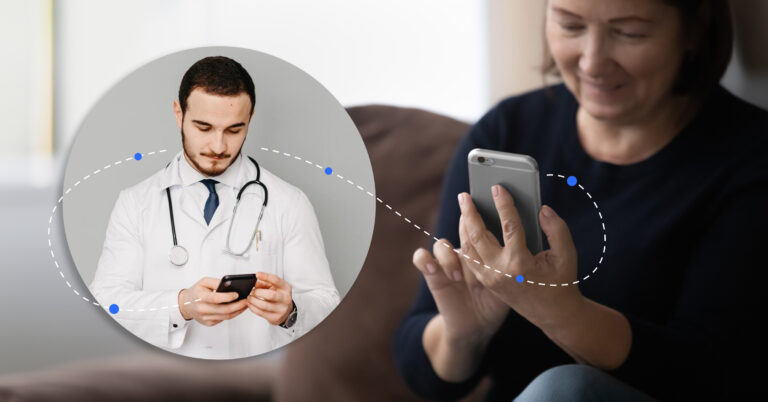
In modern healthcare, strong doctor-patient communication is no longer optional. Patients expect quick responses, clear guidance, appointment updates, treatment reminders, secure medical discussions, and convenient digital access to their care team. For hospitals, clinics, and healthcare startups, communication platforms have become a powerful way to improve patient experience, reduce administrative pressure, and build trust.
Developers App India BM Coder is a software development company helping healthcare businesses build secure, scalable, and user-friendly digital platforms. If you are planning to build a custom healthcare communication solution, explore our doctor-patient communication app development to create a platform that connects doctors, patients, and care teams through secure digital channels.
Why Doctor-Patient Communication Matters
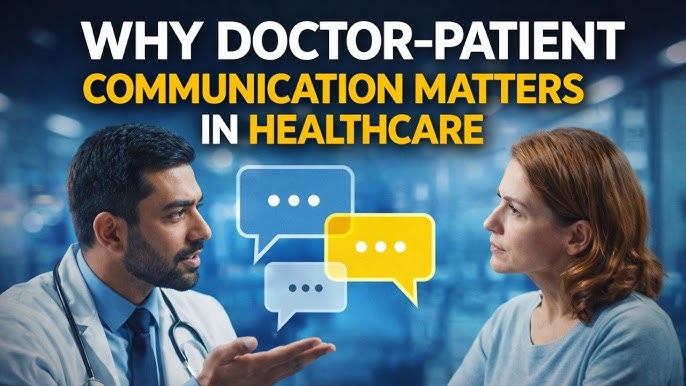
Good communication directly affects how patients understand their health condition, follow treatment plans, attend appointments, and trust medical professionals. When communication is delayed or unclear, patients may miss important instructions, forget medication schedules, delay follow-ups, or feel disconnected from their healthcare provider.
Traditional communication methods such as phone calls, paper forms, manual reminders, and front-desk coordination often create gaps. Patients may not get answers on time, staff may spend hours managing repetitive calls, and doctors may not have an organized communication history. A digital communication platform solves these problems by creating one centralized system for messaging, reminders, notifications, video consultations, reports, prescriptions, and follow-ups.
What Is a Doctor-Patient Communication Platform?
A doctor-patient communication platform is a digital system that helps patients and healthcare providers communicate securely. It may include mobile apps, web portals, chat systems, video consultation tools, appointment notifications, medical document sharing, prescription updates, and patient engagement features.
These platforms are useful for clinics, hospitals, telemedicine businesses, specialty care centers, diagnostic labs, home healthcare providers, mental health platforms, and chronic care management companies.
Core Features of Doctor-Patient Communication Apps
| Feature | Purpose | Benefit |
|---|---|---|
| Secure Chat | Allows patients to message doctors or care teams | Improves response speed and reduces phone calls |
| Video Consultation | Enables virtual doctor visits | Improves access for remote or busy patients |
| Appointment Reminders | Sends alerts for upcoming visits | Reduces no-shows and missed consultations |
| Prescription Sharing | Lets doctors send digital prescriptions | Makes treatment instructions easier to access |
| Medical File Sharing | Allows secure upload of reports and documents | Improves diagnosis and continuity of care |
| Follow-up Notifications | Reminds patients about checkups or treatment progress | Supports better patient adherence |
How Communication Platforms Improve Patient Experience
Patients often feel stressed when they cannot reach their doctor or understand medical instructions clearly. Communication platforms make healthcare more convenient by giving patients access to information whenever they need it. Instead of waiting for long phone calls, patients can send a secure message, receive appointment reminders, view prescriptions, and access care instructions from their phone.
This improves confidence because patients feel connected to their care team. They know where to ask questions, how to receive updates, and when to take the next step in treatment. For chronic disease patients, elderly patients, or post-surgery patients, this continuous communication can make care more supportive and organized.
How These Platforms Help Doctors and Clinics
Communication platforms are not only useful for patients. They also help doctors and clinic staff work more efficiently. Instead of managing scattered phone calls, WhatsApp messages, emails, and paper notes, the care team can handle communication from one dashboard.
Doctors can view patient history, previous conversations, uploaded reports, appointment status, and follow-up notes. Clinic staff can automate reminders, send broadcast updates, manage patient queries, and reduce repetitive manual work. This improves productivity and helps doctors focus more on treatment rather than administration.
Major Benefits of Doctor-Patient Communication Platforms
| Benefit | Impact on Patients | Impact on Healthcare Providers |
|---|---|---|
| Faster Communication | Patients get timely answers | Staff handles fewer phone calls |
| Better Treatment Clarity | Patients understand prescriptions and instructions | Doctors reduce repeated explanations |
| Improved Follow-ups | Patients remember appointments and tests | Clinics improve retention |
| Secure Data Sharing | Patients can safely share reports | Providers receive organized medical documents |
| Higher Patient Satisfaction | Patients feel supported | Clinics build stronger trust |
Role of Secure Messaging in Healthcare
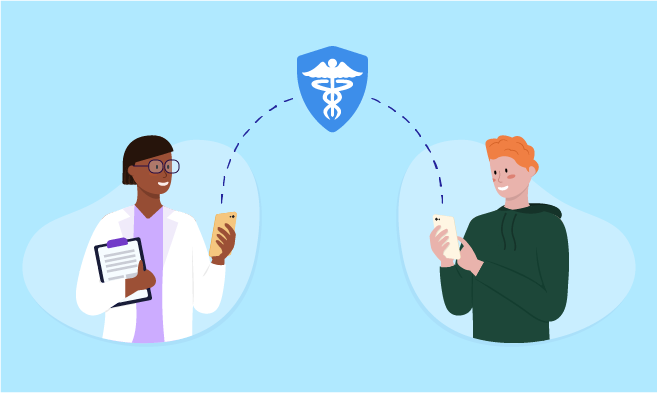
Secure messaging is one of the most important features of a healthcare communication platform. Normal messaging apps may not be suitable for sensitive medical conversations because patient data requires privacy and controlled access. A dedicated healthcare messaging platform can include encrypted messages, login authentication, role-based access, audit logs, and secure file sharing.
Patients can ask questions about medication, symptoms, reports, or follow-up care. Doctors can respond with medical guidance, request additional reports, or recommend appointments when required. This creates a structured and professional communication flow.
Appointment Communication and No-Show Reduction
Missed appointments are a major issue for clinics and hospitals. Patients may forget the date, misunderstand timing, or fail to receive proper confirmation. Communication apps solve this by sending automatic reminders through push notifications, SMS, email, or in-app alerts.
The platform can also allow patients to confirm, cancel, or reschedule appointments. This helps clinics manage slots better and reduces wasted doctor time. For high-volume clinics, automated appointment communication can create a smoother patient flow and better operational efficiency.
Video Consultation for Better Access
Video consultation is another major feature of doctor-patient communication apps. It helps patients connect with doctors from home, especially when they live far from the clinic, have mobility issues, need quick follow-up, or require non-emergency consultation.
A good video consultation module can include appointment booking, waiting room, doctor notes, prescription sharing, payment integration, and consultation history. This makes the virtual care experience more complete and professional.
Patient Education and Health Awareness
Communication platforms can also improve patient education. Doctors and clinics can share health tips, recovery instructions, diet plans, exercise guidelines, medication usage information, and preventive care content. This helps patients make better health decisions.
For example, a diabetes clinic can send blood sugar monitoring tips, a cardiology clinic can share lifestyle advice, and a physiotherapy center can send exercise videos. Personalized educational communication makes patients more engaged in their treatment journey.
Use Cases Across Healthcare Businesses
| Healthcare Business | Communication Platform Use Case |
|---|---|
| Multi-specialty Clinic | Appointment booking, patient chat, reminders, and follow-ups |
| Hospital | Care team coordination, discharge instructions, and report sharing |
| Telemedicine Startup | Video consultation, e-prescription, and digital patient records |
| Mental Health Platform | Private messaging, scheduled sessions, and progress check-ins |
| Home Healthcare Provider | Remote patient updates, nurse coordination, and family communication |
| Diagnostic Lab | Report notifications, test booking updates, and result delivery |
Important Modules to Include in a Custom Platform
A professional doctor-patient communication app should be planned according to the business model. Some clinics need simple chat and reminders, while large hospitals may need advanced modules such as EHR integration, role-based access, analytics, and multi-department workflows.
- Patient mobile app
- Doctor dashboard
- Admin panel
- Secure chat module
- Video consultation system
- Appointment management
- Prescription management
- Medical report upload
- Push notification system
- Payment gateway integration
- Patient feedback and rating system
- Analytics and reporting dashboard
Admin Panel for Healthcare Communication Platforms
The admin panel is the control center of the platform. It allows healthcare businesses to manage doctors, patients, appointments, communication logs, departments, content, notifications, payments, and reports. A well-designed admin dashboard makes the entire platform easier to manage.
Admins can monitor appointment volume, patient activity, doctor availability, pending queries, cancelled bookings, revenue, and patient feedback. This helps business owners make better operational decisions.
Security and Compliance Considerations

Healthcare communication apps handle sensitive information, so security must be planned from the beginning. Important security features include data encryption, secure login, password protection, two-factor authentication, access control, consent management, secure APIs, audit trails, and regular backups.
Depending on the target country, the platform may need to follow healthcare data privacy standards such as HIPAA, GDPR, or local health data protection rules. A professional development team should design the architecture with privacy, scalability, and compliance in mind.
Technology Stack for Doctor-Patient Communication App Development
| Layer | Recommended Technology |
|---|---|
| Frontend Web | React.js, Next.js, HTML, CSS, Tailwind CSS |
| Mobile App | Flutter, React Native, Android, iOS |
| Backend | Node.js, Laravel, Python, Django |
| Database | MongoDB, PostgreSQL, MySQL |
| Real-time Chat | Socket.io, Firebase, WebSocket |
| Video Calling | WebRTC, Twilio, Agora |
| Cloud | AWS, Google Cloud, Azure |
How AI Can Improve Doctor-Patient Communication
Artificial intelligence can make communication platforms smarter. AI chatbots can answer basic questions, guide patients to the right department, collect symptoms before consultation, remind patients about medication, and help staff prioritize urgent queries.
However, AI should be used carefully in healthcare. It should support doctors, not replace them. Medical decisions must remain under professional supervision. The best approach is to use AI for automation, triage support, reminders, and administrative assistance while keeping doctors in control of clinical decisions.
Business Benefits for Healthcare Providers
A communication platform can become a strong business growth tool. It improves patient retention because patients feel connected and supported after their visit. It helps clinics reduce manual workload and improve staff productivity. It also creates a modern brand image, which is important for healthcare businesses competing in a digital-first market.
For startups, a doctor-patient communication app can become the foundation of a telemedicine business, chronic care platform, digital clinic, online second opinion platform, or healthcare marketplace.
Challenges in Building Communication Platforms
Healthcare communication platforms need careful planning. The most common challenges include protecting patient data, managing real-time communication, building a simple user experience for all age groups, integrating with existing systems, handling video quality, and scaling the platform as users increase.
These challenges can be solved with proper architecture, experienced developers, secure coding practices, cloud infrastructure, and continuous testing.
Why Choose Developers App India BM Coder?
Developers App India BM Coder helps healthcare businesses build custom digital platforms based on their exact workflow. Whether you need a simple doctor-patient chat app, a complete telemedicine platform, a clinic communication system, or a patient engagement solution, our team can design and develop a scalable product.
- Custom healthcare app development
- Secure communication platform development
- Doctor and patient dashboard development
- Admin panel development
- Video consultation integration
- Appointment and reminder automation
- API and third-party integration
- Scalable backend development
- Clean UI/UX design
- Maintenance and feature upgrades
Conclusion
Communication platforms are transforming the way doctors and patients interact. They make healthcare more accessible, organized, secure, and patient-friendly. From secure messaging and video consultation to appointment reminders and digital prescriptions, these platforms help healthcare providers deliver better care while reducing manual workload.
For clinics, hospitals, and healthcare startups, investing in a doctor-patient communication app is not just a technology upgrade. It is a step toward better patient relationships, stronger trust, higher retention, and more efficient healthcare delivery.
Build Your Doctor-Patient Communication App
Looking to build a secure and scalable healthcare communication platform? Developers App India BM Coder can help you create a custom solution for your clinic, hospital, or healthcare startup.
Email: [email protected]
WhatsApp: +91.9586979730
Author: parth
Date: 01-05-2026
We to code. It's our passion




you can also reach us at our given
email address or phone number.