Doctor patient communication apps are transforming the healthcare industry by enabling secure and efficient communication between healthcare providers and patients. These applications allow patients to connect with doctors through chat messaging, video consultations, voice calls, and secure medical data sharing. By improving communication between doctors and patients, healthcare organizations can enhance care delivery, increase patient engagement, and improve treatment outcomes.
In modern healthcare systems, effective communication plays a critical role in ensuring accurate diagnosis, proper treatment, and patient satisfaction. Traditional healthcare communication methods often rely on in-person visits or phone calls, which can be time-consuming and inefficient. Doctor patient communication apps solve this problem by providing digital platforms where patients can easily contact healthcare providers, share medical information, and receive timely medical advice.
Healthcare startups, hospitals, clinics, and telemedicine providers are increasingly investing in doctor patient communication app development to improve healthcare accessibility and provide continuous care. These applications enable real-time interaction, remote consultations, appointment scheduling, and secure health information exchange.
Our doctor patient communication app development services help healthcare organizations build secure and scalable digital healthcare platforms that facilitate seamless communication between doctors and patients across mobile and web applications.
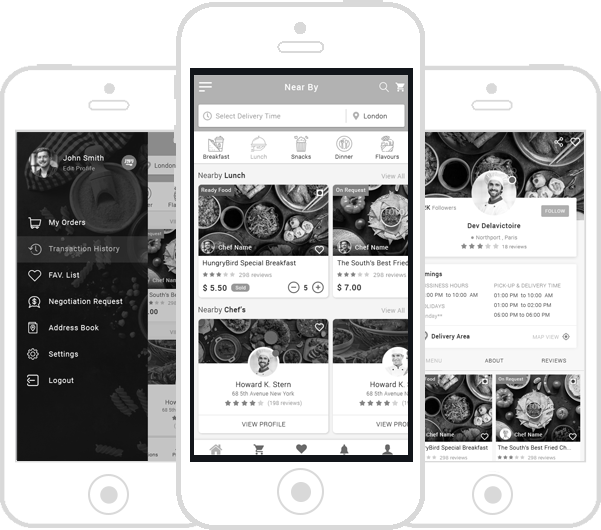
The Importance of Doctor Patient Communication in Modern Healthcare
Strong doctor patient communication is essential for effective healthcare delivery. When patients can easily communicate with healthcare providers, they are more likely to follow treatment plans, manage chronic conditions effectively, and seek timely medical advice.
Doctor patient communication apps help healthcare providers maintain ongoing relationships with patients, even outside clinical visits. These digital communication platforms improve healthcare accessibility, especially for patients in remote or underserved areas.
Key benefits of digital doctor patient communication include:
- Improved patient engagement
- Faster access to medical advice
- Reduced hospital visits
- Better management of chronic diseases
- Improved treatment adherence
- Enhanced patient satisfaction
By enabling secure digital communication between doctors and patients, healthcare platforms can improve healthcare efficiency and patient outcomes.
Integration with Doctor Appointment Booking Systems
Doctor patient communication apps often integrate with appointment scheduling systems to provide complete healthcare communication platforms. Patients can communicate with doctors before consultations, book appointments, receive follow-up instructions, and manage ongoing treatment through the same application.
If you are planning to build a complete digital healthcare platform, our Doctor Appointment Booking App Development Solutions help healthcare providers create scalable scheduling platforms that integrate seamlessly with doctor patient communication systems.
These integrated platforms allow patients to schedule consultations, communicate with doctors, and maintain digital medical records within a single healthcare application.
Key Features of Doctor Patient Communication Apps
A successful doctor patient communication platform must include essential features that support secure and effective interaction between patients and healthcare providers.
Secure Messaging
Patients and doctors can communicate through encrypted messaging systems that protect sensitive medical information.
Video Consultations
Video communication enables doctors to provide remote consultations and assess patient health conditions.
Voice Calls
Voice call functionality allows patients to speak with healthcare providers directly through the application.
Appointment Scheduling
Patients can schedule, reschedule, or cancel appointments with healthcare providers.
Medical Document Sharing
Patients can upload laboratory reports, prescriptions, and medical documents for doctors to review.
Prescription Management
Doctors can provide digital prescriptions that patients can access within the application.
Push Notifications
The system can send reminders for appointments, medications, and follow-up consultations.
Health Record Access
Patients can view their consultation history and treatment plans.
Types of Doctor Patient Communication Platforms
Healthcare organizations can develop different types of communication platforms depending on their healthcare services.
Telemedicine Communication Platforms
These platforms allow doctors to provide remote consultations through video and messaging.
Hospital Communication Systems
Hospitals use these systems to maintain communication with patients before and after medical treatments.
Chronic Disease Monitoring Platforms
These apps allow doctors to monitor patients with long-term health conditions.
Mental Health Communication Apps
These platforms connect patients with therapists and mental health professionals.
Primary Care Communication Platforms
Primary care providers use these apps to maintain ongoing communication with patients.
Benefits of Doctor Patient Communication Apps for Patients
Patients benefit significantly from improved communication with healthcare providers.
- Convenient access to doctors
- Faster medical advice
- Reduced travel to healthcare facilities
- Improved treatment adherence
- Better understanding of medical conditions
These benefits empower patients to actively participate in their healthcare management.
Benefits for Healthcare Providers
Healthcare providers can improve operational efficiency and patient engagement through communication apps.
- Better patient communication
- Improved patient monitoring
- Reduced administrative workload
- Enhanced healthcare delivery
- Improved patient retention
Doctors can provide timely medical guidance while maintaining strong patient relationships.
Technologies Used in Doctor Patient Communication App Development
Cloud Computing
Cloud infrastructure enables healthcare applications to store and process medical data securely.
Artificial Intelligence
AI technologies can help analyze patient symptoms and provide clinical decision support tools.
WebRTC Video Communication
WebRTC technology enables secure and high-quality video consultations.
Healthcare APIs
APIs allow integration with electronic health records, pharmacy systems, and diagnostic laboratories.
Data Analytics
Analytics tools help healthcare providers analyze patient communication data to improve services.
Healthcare Security and Compliance
Doctor patient communication apps must follow strict security standards to protect patient information.
- HIPAA compliance for healthcare data protection
- GDPR compliance for European healthcare systems
- HL7 and FHIR healthcare interoperability standards
- End-to-end encrypted communication
These security frameworks ensure patient privacy while enabling safe healthcare communication.
Doctor Patient Communication App Development Process
Requirement Analysis
The development process begins with analyzing healthcare communication requirements and compliance standards.
System Architecture Design
Healthcare architects design scalable communication infrastructure.
UI/UX Design
User-friendly interfaces ensure patients and doctors can easily communicate.
Mobile App Development
Apps are developed for Android and iOS platforms.
Backend Development
Secure backend systems manage messaging, video communication, and health data storage.
Testing and Deployment
Extensive testing ensures reliability and security before deployment.
Global Demand for Doctor Patient Communication Apps
The global telehealth market continues to grow as healthcare providers adopt digital communication tools.
Countries with strong adoption include:
- United States
- United Kingdom
- Canada
- Australia
- United Arab Emirates
- Singapore
- India
Healthcare organizations worldwide are investing in digital communication technologies to improve healthcare accessibility and efficiency.
Why Choose Our Doctor Patient Communication App Development Services
- Experienced healthcare software developers
- Secure and scalable healthcare platforms
- HIPAA and GDPR compliant solutions
- Advanced telemedicine technologies
- Custom healthcare software development
- Cloud-based healthcare infrastructure
Our team helps healthcare providers build innovative communication platforms that improve patient engagement and healthcare delivery.
Top Doctor Patient Communication Apps Used in Modern Healthcare
Digital healthcare platforms have introduced many communication apps that allow patients and doctors to interact remotely. These applications enable secure messaging, video consultations, and health record sharing while improving healthcare accessibility worldwide.
Healthcare startups and hospitals planning to develop communication platforms often analyze successful telehealth applications to understand the features and technologies required for modern healthcare communication systems.
| Platform | Key Features | Target Users |
|---|---|---|
| Doxy.me | Video consultations, secure patient communication | Doctors and clinics |
| Teladoc | 24/7 doctor consultations, messaging, remote care | Global healthcare providers |
| Amwell | Virtual visits, remote healthcare services | Hospitals and healthcare networks |
| Doctor On Demand | Video consultation, digital prescriptions | Patients and healthcare providers |
| Practo | Doctor messaging, appointment booking, teleconsultation | Patients and clinics |
These platforms demonstrate the growing demand for digital healthcare communication systems that allow doctors and patients to stay connected beyond traditional clinic visits.
Doctor Patient Communication App Architecture
Developing a scalable doctor patient communication platform requires a secure and reliable system architecture capable of supporting real-time messaging, video consultations, and healthcare data exchange.
Modern telehealth communication platforms are built using multiple technology layers that ensure secure data transmission and efficient healthcare communication.
Mobile Application Layer
The mobile interface allows patients and doctors to communicate through chat, voice calls, video consultations, and document sharing. This layer focuses on user experience and accessibility.
Communication Infrastructure
Secure messaging systems and WebRTC-based video communication technologies enable real-time doctor-patient interactions.
Healthcare Data Management
The backend system stores consultation history, medical documents, prescriptions, and patient records in encrypted databases.
API Integration Layer
Communication platforms often integrate with hospital management systems, electronic health records, pharmacy systems, and diagnostic laboratories.
Cloud Infrastructure
Cloud computing platforms such as AWS, Microsoft Azure, and Google Cloud enable healthcare applications to scale globally while ensuring high availability and security.
Security and Compliance Framework
Healthcare applications require encryption, authentication systems, and regulatory compliance with standards such as HIPAA and GDPR.
This architecture ensures that doctor patient communication apps remain secure, scalable, and capable of supporting healthcare services across multiple regions.
Doctor Patient Communication App Development Cost
The cost of developing a doctor patient communication app depends on several factors including platform complexity, communication features, healthcare compliance requirements, and integrations with hospital systems.
Basic communication apps focus on messaging and appointment reminders, while advanced telehealth platforms include video consultations, AI-powered chat assistants, and health record integrations.
| Development Component | Estimated Cost |
|---|---|
| Patient Mobile App Development | $15,000 – $40,000 |
| Doctor Mobile App Development | $15,000 – $35,000 |
| Admin Dashboard | $8,000 – $20,000 |
| Video Communication Integration | $5,000 – $15,000 |
| Healthcare API Integrations | $5,000 – $15,000 |
| Security and Compliance Implementation | $5,000 – $20,000 |
The overall cost of developing a doctor patient communication platform typically ranges between $40,000 and $150,000 depending on system complexity and required features.
Many healthcare startups begin with a minimum viable product (MVP) that includes messaging, appointment reminders, and document sharing before expanding into full telemedicine capabilities.
h2 tag
para
h2 tag
para
Your choice of weapon
Build your Apps for any Platform
Frequently Asked Questions
What is a doctor patient communication app?
A doctor patient communication app allows patients to interact with healthcare providers through messaging, video calls, and secure data sharing.
Are doctor patient communication apps secure?
Yes, these applications use encryption and comply with healthcare standards such as HIPAA and GDPR.
Can these apps integrate with hospital systems?
Yes, communication apps can integrate with hospital management systems, electronic health records, and telemedicine platforms.
How long does it take to develop a doctor patient communication app?
Development typically takes 3 to 6 months depending on features and integrations.
How much does doctor patient communication app development cost?
The cost can range between $30,000 and $150,000 depending on complexity and features.
We to code. It's our passion




you can also reach us at our given
email address or phone number.