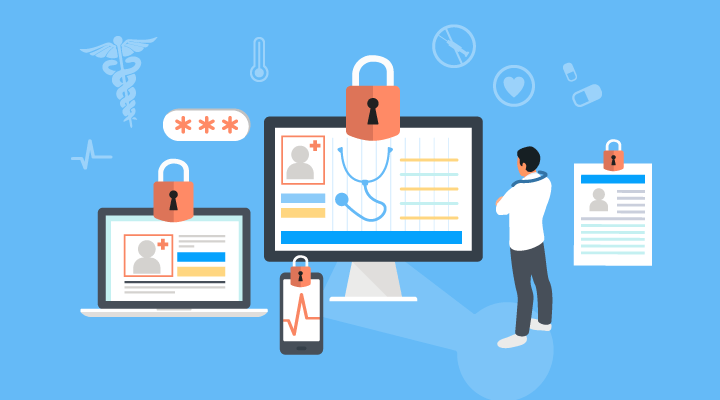
The healthcare industry is undergoing a major digital transformation, and one of its most critical advancements is the implementation of digital patient health records. Traditional paper-based medical systems often create challenges related to data loss, fragmented patient history, delayed access, and security vulnerabilities. Digital records, also known as Electronic Health Records (EHR) or Personal Health Record (PHR) systems, solve these issues by providing secure, centralized, and easily accessible healthcare data management.
Developers App India BM Coder is a software development company that builds advanced healthcare software solutions for clinics, hospitals, healthcare startups, and digital health businesses. Through scalable patient health record app development , organizations can improve patient care, strengthen medical data security, streamline operations, and enable seamless healthcare access.
What Are Digital Patient Health Records?

Digital patient health records are electronic systems used to store, manage, update, and securely share patient medical information. These platforms can include:
- Personal details
- Medical history
- Doctor consultations
- Lab reports
- Diagnostic imaging
- Prescriptions
- Allergies
- Vaccination records
- Treatment plans
- Insurance information
- Emergency contacts
Unlike traditional records, digital systems allow real-time access across multiple healthcare providers while maintaining privacy and security controls.
Why Traditional Medical Records Create Problems
Manual healthcare record systems often suffer from inefficiencies that impact both providers and patients. These limitations include:
| Traditional Record Issue | Impact | Digital Solution |
|---|---|---|
| Paper-based storage | Loss, damage, misplacement | Cloud-secured digital records |
| Fragmented records | Incomplete patient history | Centralized medical profiles |
| Manual retrieval delays | Slower diagnosis | Instant data access |
| Security vulnerabilities | Unauthorized exposure | Encryption and role-based access |
| Poor collaboration | Healthcare inefficiency | Cross-provider integration |
How Digital Records Improve Patient Data Accessibility
1. Instant Access Anytime, Anywhere
Digital records allow patients and authorized medical professionals to access critical health data from any device with proper authentication. This accessibility ensures:
- Faster diagnosis
- Improved emergency care
- Better continuity of treatment
- Efficient specialist referrals
- Reduced repeated testing
For example, patients visiting a new specialist can instantly share medical history, prescriptions, and test results.
2. Centralized Medical History
A unified digital health record provides a comprehensive patient profile, reducing confusion caused by disconnected systems. This is especially important for:
- Chronic disease patients
- Elderly individuals
- Multi-specialist treatments
- Post-surgery recovery
- Long-term medication management
Doctors gain a clearer picture of patient health, leading to better treatment accuracy.
3. Improved Coordination Between Healthcare Providers
Hospitals, clinics, laboratories, pharmacies, and specialists can securely collaborate using integrated digital record systems. This improves:
- Patient referrals
- Medication consistency
- Care transitions
- Follow-up treatments
- Lab result sharing
This coordination enhances patient outcomes and reduces healthcare inefficiencies.
4. Faster Emergency Response

Emergency healthcare providers often need immediate access to:
- Allergies
- Blood group
- Current medications
- Medical conditions
- Previous surgeries
Digital records make this information available quickly, potentially saving lives.
5. Patient Empowerment Through Self-Access
Modern health record platforms often allow patients to:
- View reports
- Download prescriptions
- Track appointments
- Monitor treatment plans
- Store personal health data
This empowers patients to actively participate in their healthcare journey.
How Digital Records Improve Patient Data Security
1. Data Encryption
Advanced digital health systems use encryption to protect patient data during storage and transmission. This significantly reduces the risk of unauthorized access.
2. Role-Based Access Control
Only authorized users such as doctors, nurses, admins, or patients can access relevant sections of medical records. Permissions are customized based on role.
3. Audit Trails
Every record update, access, or modification can be tracked. Audit logs improve transparency, compliance, and accountability.
4. Secure Cloud Infrastructure
Cloud-based systems offer:
- Data redundancy
- Automated backups
- Disaster recovery
- Remote access
- Scalable storage
This ensures data remains protected from physical damage or local system failures.
5. Compliance Readiness
Healthcare digital record platforms can be built to support:
- HIPAA compliance
- GDPR compliance
- Data privacy regulations
- Secure authentication
- Consent management
Core Features of a Patient Health Record App
| Feature | Purpose |
|---|---|
| User registration/login | Secure access management |
| Patient dashboard | Health data overview |
| Medical history storage | Centralized patient records |
| Lab report uploads | Diagnostic documentation |
| Prescription management | Medication history |
| Appointment integration | Healthcare scheduling |
| Doctor access permissions | Controlled data sharing |
| Notifications/reminders | Medication and appointment support |
| Insurance integration | Policy management |
| Emergency access | Critical care support |
Business Benefits of Digital Patient Record Platforms
Healthcare providers and startups can benefit significantly from health record software.
- Improved patient retention
- Operational automation
- Reduced paperwork
- Enhanced provider efficiency
- Higher trust and transparency
- Data-driven healthcare decisions
- Scalable healthcare ecosystems
Revenue Models for Patient Health Record Platforms
Digital health record systems can be monetized through multiple business models:
| Revenue Model | Description |
|---|---|
| SaaS Subscription | Clinics or hospitals pay monthly/yearly fees |
| White-label solutions | Custom branded platforms for providers |
| Enterprise licensing | Healthcare networks use platform at scale |
| Premium patient plans | Advanced storage and features |
| Insurance integration services | Healthcare-insurance connectivity |
Technology Stack for Health Record App Development
| Layer | Technologies |
|---|---|
| Frontend | React.js, Next.js, Flutter, React Native |
| Backend | Node.js, Express.js, Django, Laravel |
| Database | MongoDB, PostgreSQL, MySQL |
| Cloud Infrastructure | AWS, Azure, Google Cloud |
| Authentication | JWT, OAuth, Multi-factor authentication |
| Storage Security | Encryption, secure APIs, backups |
Role of AI in Digital Health Records
AI can further improve patient health record platforms by supporting:
- Predictive health analytics
- Automated record categorization
- Medication reminders
- Chronic disease alerts
- Health insights
- Doctor recommendation engines
- Data anomaly detection
These AI-driven features improve user experience while enhancing healthcare outcomes.
Use Cases of Digital Health Record Systems

- Hospitals
- Private clinics
- Telemedicine apps
- Insurance companies
- Pharmacy systems
- Remote patient monitoring
- Corporate healthcare programs
- Government healthcare systems
- Wellness and preventive health apps
Steps to Build a Patient Health Record Platform
Step 1: Define Business Goals
Identify whether the platform targets patients, clinics, hospitals, insurers, or enterprise healthcare providers.
Step 2: Plan Essential Features
Focus on records, accessibility, security, permissions, and scalability.
Step 3: UI/UX Design
Prioritize trust, simplicity, accessibility, and patient-friendly interfaces.
Step 4: Secure Backend Development
Build strong APIs, encrypted storage, and scalable cloud systems.
Step 5: Integration
Integrate with healthcare providers, diagnostics, telemedicine, and payment systems.
Step 6: Security Testing
Ensure data privacy, compliance, and performance standards.
Step 7: Launch and Scale
Expand features gradually based on business growth and healthcare trends.
Why Choose Developers App India BM Coder?
Developers App India BM Coder is a software development company delivering enterprise-grade healthcare platforms tailored for modern medical ecosystems. Their expertise includes:
- Patient health record systems
- Telemedicine platforms
- Healthcare SaaS development
- Medical data security systems
- Custom healthcare software
- Scalable digital healthcare infrastructure
Their development approach emphasizes security, usability, scalability, and healthcare business growth.
Conclusion
Digital records are revolutionizing healthcare by improving patient data accessibility, enhancing medical collaboration, strengthening security, and streamlining healthcare delivery. For patients, digital records provide convenience, empowerment, and better continuity of care. For providers, they improve operational efficiency, treatment quality, and compliance.
As digital healthcare continues to expand, patient health record platforms will become foundational to modern healthcare systems. Businesses that invest in secure, scalable, and user-centric digital health record solutions today are building the future of smarter healthcare.
Build Your Patient Health Record Platform Today
Looking to create a secure, scalable, and enterprise-grade patient health record solution? Developers App India BM Coder can help you design and develop advanced healthcare software tailored to your business goals.
Email: [email protected]
WhatsApp: +91.9586979730
Author: parth
Date: 01-05-2026
We to code. It's our passion








you can also reach us at our given
email address or phone number.