Healthcare systems around the world are rapidly transitioning toward digital healthcare infrastructure. One of the most important components of modern healthcare technology is the patient health record application. Patient health record apps allow individuals to securely store, manage, and share their medical information digitally. These applications enable patients to access their health history, prescriptions, diagnostic reports, doctor consultations, and treatment plans from their smartphones.
Patient health record app development has become a major focus for hospitals, clinics, digital health startups, and healthcare providers seeking to improve patient engagement and streamline healthcare delivery. With the rise of telemedicine, wearable health devices, and digital healthcare platforms, maintaining centralized digital health records is essential for efficient healthcare management.
A patient health record app acts as a personal medical record system where users can maintain complete health information including medications, allergies, lab reports, immunization records, medical imaging results, and treatment history. Doctors and healthcare providers can access these records during consultations to make more accurate diagnoses and treatment decisions.
Our patient health record app development services help healthcare organizations build secure, scalable, and compliant digital health record platforms that empower patients to manage their healthcare data effectively while improving communication between patients and healthcare providers.
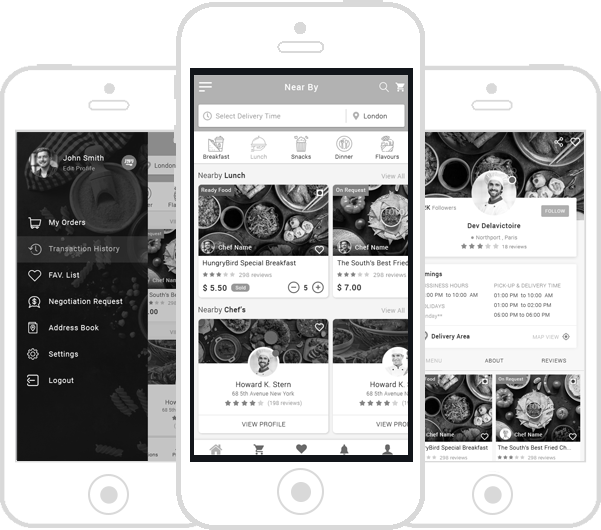
The Importance of Patient Health Record Applications
Traditional paper-based medical records are difficult to manage, easy to lose, and challenging to share between healthcare providers. Patient health record apps eliminate these challenges by storing health information in secure digital systems that can be accessed anytime and anywhere.
Digital patient record systems allow healthcare providers to maintain complete medical histories for patients while ensuring accurate and timely access to critical health information.
Some of the major advantages of patient health record applications include:
- Centralized digital medical records
- Easy access to personal health history
- Improved coordination between healthcare providers
- Better patient engagement and self-care management
- Reduced medical errors due to missing information
- Improved treatment outcomes through accurate health data
As healthcare continues to become increasingly digital, patient health record applications play a critical role in improving healthcare efficiency and patient experience.
Integration with Medication Management Systems
Patient health record apps are often integrated with medication management systems to ensure patients follow their prescribed treatments. Medication adherence is one of the biggest challenges in healthcare, especially for patients with chronic conditions who require long-term treatment.
Digital health platforms frequently integrate medication reminder features that notify patients when it is time to take their medicines. If you are planning to build a complete medication management solution, our Medication Reminder App Development Company services can help you create advanced medication tracking platforms that integrate seamlessly with patient health record systems.
These integrated platforms help patients track prescriptions, receive medication alerts, monitor treatment progress, and share medication history with healthcare providers.
Key Features of Patient Health Record Apps
A successful patient health record application must include a wide range of features that allow patients and healthcare providers to manage medical information efficiently.
Patient Profile Management
Patients can create profiles containing personal health information such as age, gender, blood group, allergies, and chronic conditions.
Medical History Tracking
The application stores complete medical history including previous illnesses, surgeries, treatments, and diagnoses.
Prescription Management
Patients can upload or store prescriptions digitally and track their medications.
Diagnostic Reports Storage
Users can upload laboratory test results, imaging reports, and medical documents.
Doctor Consultation Records
All consultation notes and treatment recommendations can be stored within the application.
Appointment Management
Patients can track past and upcoming medical appointments.
Secure Health Data Sharing
Patients can securely share their health records with doctors, hospitals, and specialists when required.
Health Alerts and Notifications
The system can send alerts related to medications, appointments, and medical checkups.
Types of Patient Health Record Applications
Different healthcare organizations may require different types of patient health record systems depending on their healthcare services and target users.
Personal Health Record Apps
These applications allow individuals to maintain their own medical records independently.
Hospital Patient Record Systems
Hospitals use these systems to manage patient records across departments.
Chronic Disease Management Apps
These apps are designed for patients with chronic conditions such as diabetes, hypertension, and heart disease.
Family Health Record Apps
Family health record applications allow users to maintain medical records for multiple family members.
Integrated Telehealth Health Record Apps
These apps integrate with telemedicine platforms to maintain consultation records and treatment plans.
Benefits of Patient Health Record Apps for Patients
Patient health record apps provide numerous advantages for individuals managing their healthcare.
- Easy access to complete medical history
- Better medication management
- Improved communication with doctors
- Faster diagnosis due to available health records
- Convenient storage of medical reports
- Improved health monitoring
Patients gain greater control over their health information, allowing them to make informed healthcare decisions.
Benefits for Healthcare Providers
Healthcare providers also benefit significantly from patient health record applications.
- Quick access to patient medical history
- Improved treatment accuracy
- Reduced paperwork and administrative workload
- Better patient engagement
- Improved healthcare coordination
Doctors can access important patient information during consultations, leading to faster and more accurate diagnoses.
Advanced Technologies Used in Patient Health Record Apps
Cloud Computing
Cloud infrastructure allows healthcare platforms to store and manage large volumes of patient data securely while providing access across devices.
Artificial Intelligence
AI technologies can analyze patient health data to provide predictive insights, early disease detection, and treatment recommendations.
Blockchain Technology
Blockchain can enhance healthcare data security by providing tamper-proof storage for medical records.
Wearable Device Integration
Patient health record apps can integrate with wearable devices to collect real-time health data such as heart rate, activity levels, and sleep patterns.
Data Analytics
Healthcare analytics tools help analyze patient health data to improve treatment strategies and healthcare outcomes.
Healthcare Compliance and Security
Patient health record applications must comply with strict healthcare regulations to ensure data privacy and security.
- HIPAA compliance for healthcare data protection
- GDPR compliance for European healthcare systems
- HL7 and FHIR healthcare interoperability standards
- ISO 27001 security standards
These compliance standards ensure patient data remains secure while enabling seamless healthcare data exchange between medical systems.
Patient Health Record App Development Process
Requirement Analysis
The development process begins with understanding healthcare requirements, regulatory standards, and user needs.
System Architecture Design
Scalable system architecture is designed to handle healthcare data securely and efficiently.
UI/UX Design
Healthcare apps require simple and intuitive user interfaces to ensure patients can easily manage their health information.
Mobile App Development
Patient health record apps are developed for both Android and iOS platforms to ensure wide accessibility.
Backend Development
The backend system manages health records, user authentication, data encryption, and healthcare integrations.
Testing and Deployment
Extensive testing ensures the application is secure, reliable, and compliant before launch.
Global Market Demand for Patient Health Record Apps
The global healthcare industry is increasingly adopting digital health record systems due to rising healthcare costs, growing chronic diseases, and increasing patient awareness.
Countries with strong adoption of patient health record platforms include:
- United States
- United Kingdom
- Canada
- Australia
- United Arab Emirates
- Singapore
- India
Healthcare providers worldwide are investing in patient health record technologies to improve healthcare efficiency and patient engagement.
Why Choose Our Patient Health Record App Development Services
- Experienced healthcare software developers
- Secure and scalable healthcare platforms
- HIPAA and GDPR compliant solutions
- Advanced healthcare technology integration
- Custom digital health record solutions
- Cloud-based healthcare infrastructure
Our development team helps healthcare organizations build secure and reliable patient health record applications that improve healthcare delivery and empower patients to manage their health information efficiently.
EHR vs EMR vs PHR: Understanding Digital Health Record Systems
Digital healthcare systems use different types of electronic record platforms to manage patient data. The most common systems include Electronic Health Records (EHR), Electronic Medical Records (EMR), and Personal Health Records (PHR). Understanding the differences between these systems is essential for healthcare organizations planning to develop patient health record applications.
While these systems all store medical information digitally, they serve different purposes within healthcare ecosystems.
| System | Definition | Primary Users | Main Purpose |
|---|---|---|---|
| Electronic Medical Record (EMR) | Digital version of a patient’s medical chart used within a single healthcare provider. | Hospitals and clinics | Internal medical record management |
| Electronic Health Record (EHR) | Comprehensive digital patient record shared across healthcare providers. | Hospitals, clinics, labs | Healthcare data interoperability |
| Personal Health Record (PHR) | Patient-controlled health record application. | Patients | Personal healthcare data management |
Patient health record apps are typically built as Personal Health Record (PHR) systems that allow individuals to manage and control their own medical information. These apps often integrate with hospital EHR systems and healthcare provider databases to synchronize patient data securely.
Developing interoperable health record platforms ensures seamless healthcare data exchange between patients, hospitals, pharmacies, laboratories, and healthcare providers.
Patient Health Record App Architecture
Building a secure patient health record platform requires a robust technical architecture capable of handling sensitive healthcare data while ensuring high availability and scalability.
A modern patient health record application consists of multiple layers that manage user access, medical data storage, healthcare integrations, and security controls.
Mobile Application Layer
The mobile app serves as the primary interface for patients to access their medical records, upload health reports, manage prescriptions, and share medical information with healthcare providers.
Healthcare Data Management Layer
This layer stores patient medical records including prescriptions, laboratory reports, diagnostic imaging results, and treatment history. Healthcare databases must be encrypted to protect patient information.
Integration Layer
Healthcare platforms often integrate with hospital systems, telemedicine platforms, diagnostic laboratories, pharmacy systems, and wearable health devices. APIs enable secure data exchange between these systems.
Cloud Infrastructure
Cloud platforms such as AWS, Microsoft Azure, and Google Cloud enable healthcare applications to scale globally while maintaining reliable access to patient data.
Security and Compliance Layer
Healthcare applications require strong security frameworks including encryption, role-based access control, authentication systems, and compliance monitoring to protect patient data.
Implementing this architecture ensures that patient health record apps remain secure, scalable, and compliant with global healthcare regulations.
Patient Health Record App Development Cost
The cost of developing a patient health record application depends on several factors including platform complexity, healthcare compliance requirements, integrations, and advanced features.
Healthcare applications require strict security measures and regulatory compliance, which can influence development costs.
| Development Component | Estimated Cost |
|---|---|
| Patient Mobile App Development | $15,000 – $40,000 |
| Backend Infrastructure | $10,000 – $30,000 |
| Admin Dashboard | $8,000 – $20,000 |
| Healthcare API Integrations | $5,000 – $15,000 |
| Security and Compliance Implementation | $5,000 – $20,000 |
| Cloud Infrastructure Setup | $3,000 – $10,000 |
The total development cost of a patient health record application typically ranges between $40,000 and $150,000 depending on the project requirements and system complexity.
Healthcare startups often begin with a minimum viable product (MVP) that includes essential features such as medical record storage, prescription tracking, and doctor consultation integration before expanding into advanced healthcare data analytics and AI-powered health insights.
h2 tag
para
h2 tag
para
Your choice of weapon
Build your Apps for any Platform
Frequently Asked Questions
What is a patient health record app?
A patient health record app is a digital platform that allows individuals to store, manage, and access their medical records including prescriptions, diagnostic reports, and treatment history.
Is patient health data secure in mobile apps?
Yes, healthcare applications use encryption, authentication systems, and compliance standards such as HIPAA and GDPR to ensure data security.
Can patient health record apps integrate with hospitals?
Yes, these apps can integrate with hospital management systems, electronic health records, telemedicine platforms, and diagnostic laboratories.
How long does it take to develop a patient health record app?
The development timeline typically ranges from 3 to 6 months depending on features and integrations.
How much does patient health record app development cost?
The development cost can range from $25,000 to $120,000 depending on features, compliance requirements, and platform complexity.
We to code. It's our passion








you can also reach us at our given
email address or phone number.