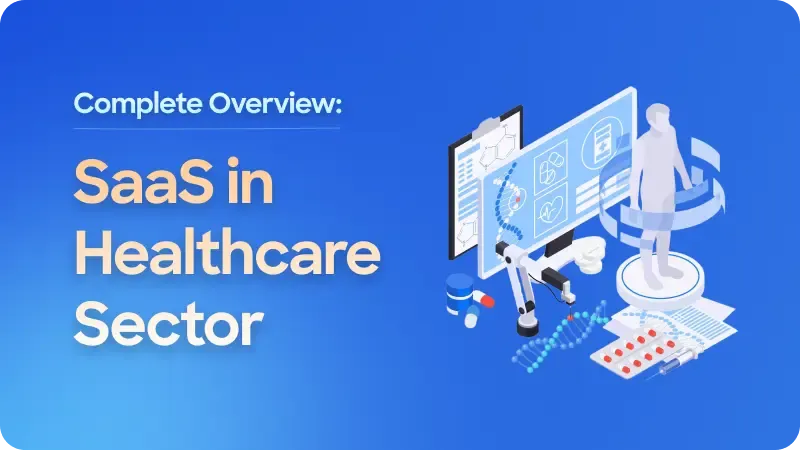
The healthcare industry is moving rapidly toward digital-first care, connected systems, automation, and scalable software platforms. Hospitals, clinics, diagnostic centers, pharmacies, wellness startups, telemedicine providers, and healthcare enterprises are no longer looking only for one-time software products. They are increasingly choosing SaaS-based healthcare technology solutions because SaaS offers faster deployment, lower upfront cost, better scalability, continuous upgrades, and easier access across devices.
For healthcare businesses planning to modernize patient care, operations, remote monitoring, appointment management, digital records, or telehealth services, custom healthcare SaaS mobile app development has become a powerful way to build flexible, secure, and growth-ready digital platforms.
Developers App India BM Coder helps healthcare organizations build reliable SaaS-based healthcare applications that support patients, providers, administrators, and healthcare businesses through cloud-powered, mobile-friendly, and scalable technology.
What Is a Healthcare SaaS Model?
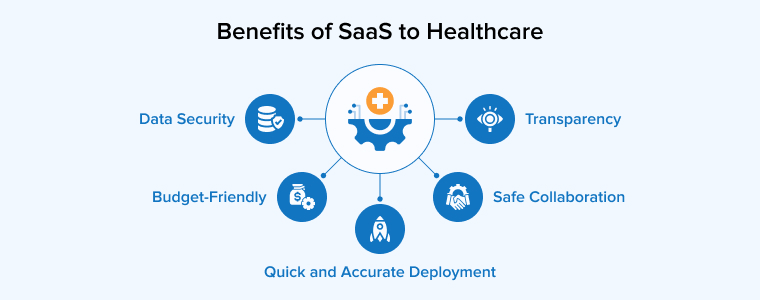
SaaS stands for Software as a Service. In simple words, it means users can access software through the internet instead of installing it manually on every computer or device. In healthcare, SaaS platforms allow doctors, clinics, hospitals, patients, and administrators to use medical software through web apps, mobile apps, dashboards, and cloud-based systems.
Instead of buying expensive software infrastructure, healthcare businesses can subscribe to a SaaS platform and use features such as appointment booking, electronic health records, teleconsultation, billing, patient engagement, remote monitoring, analytics, staff management, prescription management, and reporting.
Why SaaS Is Growing in Healthcare Technology
Healthcare organizations need systems that are fast, secure, scalable, and easy to update. Traditional software often requires heavy installation, local servers, manual updates, and high maintenance costs. SaaS solves many of these problems by offering cloud-based access and continuous improvement.
| Traditional Healthcare Software | Healthcare SaaS Platform |
|---|---|
| High upfront cost | Subscription-based pricing |
| Manual installation | Cloud-based access |
| Difficult to scale | Easy to scale users and features |
| Manual updates | Automatic updates |
| Limited device access | Accessible from web and mobile |
| Higher maintenance effort | Centralized maintenance |
Key Benefits of SaaS Models in Healthcare
1. Faster Deployment
Healthcare SaaS platforms can be launched faster than traditional enterprise systems. Clinics and hospitals can start using core features such as appointment booking, patient registration, doctor dashboards, billing, and reports without waiting months for complex infrastructure setup.
2. Lower Initial Investment
SaaS reduces the need for expensive hardware, servers, and local IT infrastructure. Healthcare businesses can begin with essential features and scale gradually as their patient base, team size, and operational requirements grow.
3. Better Scalability
SaaS platforms are ideal for growing healthcare organizations. A clinic can begin with one branch and later expand to multiple locations using the same centralized platform. New doctors, staff members, patients, services, and departments can be added easily.
4. Continuous Updates
Healthcare regulations, patient expectations, and technology standards keep changing. SaaS allows continuous improvements, feature upgrades, security patches, and performance enhancements without disrupting daily operations.
5. Remote Access
Doctors, patients, administrators, and care teams can access SaaS healthcare platforms from mobile apps, tablets, laptops, or desktops. This is especially useful for telemedicine, home healthcare, remote patient monitoring, and multi-location healthcare businesses.
Important Features of a Healthcare SaaS Mobile App
| Feature | Purpose |
|---|---|
| Patient Registration | Allows patients to create profiles and manage their health details. |
| Appointment Booking | Helps patients book, reschedule, or cancel doctor appointments. |
| Doctor Dashboard | Allows doctors to manage appointments, records, prescriptions, and consultations. |
| Telemedicine | Supports video consultation, chat, and digital care delivery. |
| Electronic Health Records | Stores patient medical history, reports, prescriptions, and diagnosis data. |
| Billing & Payments | Enables online payment, invoice generation, and transaction tracking. |
| Admin Panel | Helps manage users, doctors, services, reports, revenue, and operations. |
| Analytics | Provides insights into appointments, patient activity, revenue, and service performance. |
How SaaS Helps Different Healthcare Businesses
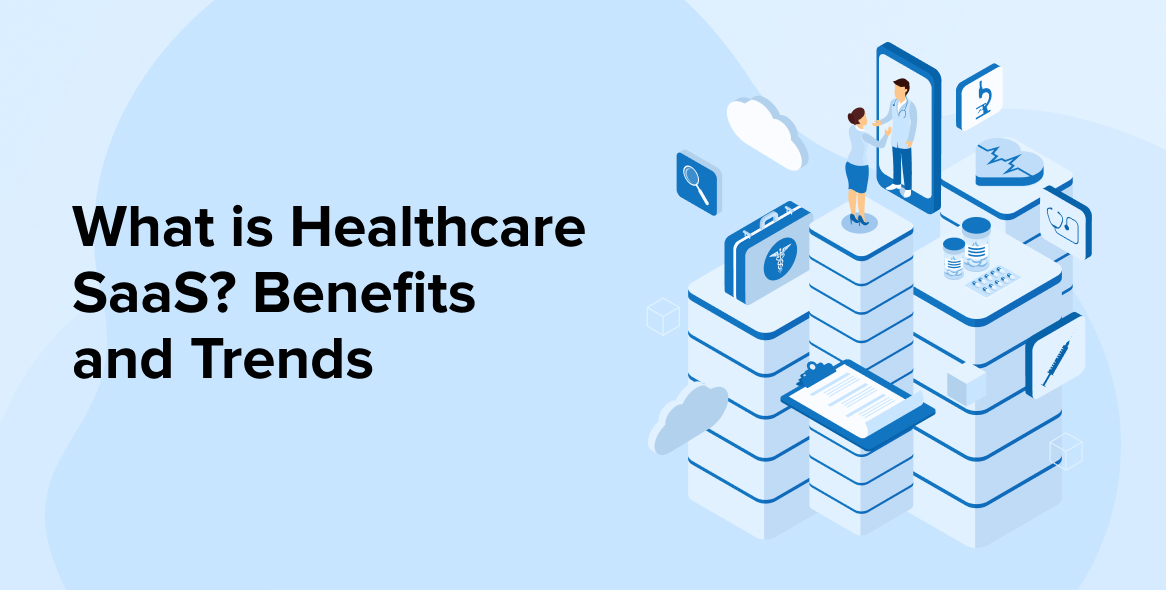
Hospitals
Hospitals can use SaaS platforms to manage appointments, patient records, departments, doctors, billing, pharmacy coordination, lab reports, and administrative workflows from one centralized system.
Clinics
Small and medium clinics can use SaaS apps to digitize appointment booking, patient communication, prescription management, follow-ups, and payments without investing in complex infrastructure.
Telemedicine Startups
Telemedicine businesses can scale quickly with SaaS platforms that support video consultations, doctor availability, patient onboarding, payment collection, prescription sharing, and digital medical records.
Diagnostic Centers
Diagnostic labs can use SaaS systems for test booking, report uploads, patient notifications, sample collection tracking, billing, and branch management.
Pharmacies
Pharmacies can connect with healthcare SaaS platforms to manage prescriptions, medicine orders, delivery tracking, inventory, and patient refill reminders.
Healthcare SaaS and Mobile App Integration
Mobile apps make SaaS healthcare platforms more accessible. Patients prefer mobile apps for booking appointments, consulting doctors, viewing reports, receiving reminders, and making payments. Doctors and staff also benefit from mobile dashboards that help them manage care delivery on the go.
A strong healthcare SaaS mobile app usually includes three main interfaces: patient app, doctor app, and admin dashboard. Each interface has a different role but connects to the same backend system.
| User Type | Main Functions |
|---|---|
| Patient | Book appointments, consult doctors, view records, pay bills, receive reminders. |
| Doctor | Manage consultations, view patient history, write prescriptions, update treatment notes. |
| Admin | Manage doctors, patients, services, payments, reports, and platform settings. |
Security in Healthcare SaaS Platforms
Healthcare software handles sensitive patient information, so security is one of the most important parts of SaaS healthcare development. A healthcare SaaS platform should include secure authentication, role-based access, encrypted data storage, secure APIs, audit logs, backup systems, and compliance-focused architecture.
Security should not be added at the end of development. It should be planned from the beginning. Developers must carefully design database access, user permissions, payment protection, session management, and data-sharing rules.
Why Custom SaaS Development Is Better Than Generic Software
Generic SaaS tools may work for basic operations, but healthcare businesses often need custom workflows. A hospital may need department-wise access. A telemedicine startup may need doctor commission management. A clinic chain may need branch-wise reporting. A diagnostic center may need sample tracking. These requirements are difficult to manage with one-size-fits-all software.
Custom healthcare SaaS development allows businesses to build software around their exact process, brand, users, and growth plan.
Core Modules in a Healthcare SaaS Solution
- Patient management
- Doctor management
- Appointment scheduling
- Teleconsultation
- Medical records
- Prescription management
- Payment gateway integration
- Subscription management
- Notifications and reminders
- Reports and analytics
- Admin dashboard
- Role-based access control
How SaaS Supports Healthcare Business Growth
SaaS platforms are designed for growth. A healthcare startup can begin with a minimum viable product and add more features over time. For example, the first version may include appointment booking and doctor profiles. Later versions can include telemedicine, payments, EHR, pharmacy integration, lab booking, insurance support, and AI-based recommendations.
This phased approach helps healthcare businesses reduce risk, control budget, test user response, and improve the product based on real feedback.
Technology Stack for Healthcare SaaS App Development
| Layer | Technology Options |
|---|---|
| Frontend | React.js, Next.js, Vue.js |
| Mobile App | React Native, Flutter, Native Android/iOS |
| Backend | Node.js, Laravel, Django, .NET |
| Database | MongoDB, PostgreSQL, MySQL |
| Cloud | AWS, Azure, Google Cloud |
| Payments | Stripe, Razorpay, PayPal |
| Communication | Email, SMS, WhatsApp, Push Notifications |
Monetization Models for Healthcare SaaS

Healthcare SaaS platforms can generate revenue through different models depending on the target audience and business strategy.
- Monthly or yearly subscription plans
- Per-doctor pricing
- Per-clinic pricing
- Commission on consultations
- Premium feature upgrades
- Enterprise licensing
- White-label SaaS solutions
Challenges in Healthcare SaaS Development
Building healthcare SaaS software requires careful planning. Common challenges include data privacy, compliance requirements, user adoption, integration with existing systems, performance under high traffic, medical data accuracy, and secure payment handling.
These challenges can be solved through proper architecture, experienced development, secure coding practices, testing, documentation, and long-term support.
Why Choose Developers App India BM Coder?
Developers App India BM Coder is a software development company that builds custom healthcare SaaS platforms, mobile apps, admin panels, dashboards, and backend systems for healthcare businesses. The team focuses on scalable architecture, clean UI, secure backend development, mobile-friendly design, and business-focused digital solutions.
Whether you need a telemedicine SaaS app, clinic management platform, hospital dashboard, appointment booking system, healthcare CRM, patient engagement app, or remote monitoring platform, Developers App India BM Coder can help you plan, design, develop, and scale the solution.
Final Thoughts
SaaS models are transforming healthcare technology by making digital platforms more affordable, scalable, accessible, and easier to maintain. Healthcare organizations can use SaaS applications to improve patient care, reduce manual work, automate operations, support remote access, and scale services across locations.
As healthcare continues to become more connected and patient-centric, SaaS-based mobile app development will play a major role in the future of hospitals, clinics, telemedicine companies, diagnostic centers, pharmacies, wellness platforms, and health-tech startups.
Build Your Healthcare SaaS Mobile App
Ready to build a scalable healthcare SaaS platform for your business? Contact Developers App India BM Coder today.
Email: [email protected]
WhatsApp: +91.9586979730
Author: parth
Date: 04-05-2026
We to code. It's our passion







you can also reach us at our given
email address or phone number.