The healthcare industry is undergoing a major digital transformation driven by cloud technologies, artificial intelligence, mobile platforms, and advanced data analytics. One of the most impactful innovations in this transformation is the rise of healthcare SaaS platforms. Healthcare SaaS mobile app development enables hospitals, healthcare startups, clinics, and medical organizations to deliver scalable digital healthcare services through cloud-based applications that are accessible from anywhere.
Software-as-a-Service (SaaS) has changed how healthcare software is delivered and managed. Instead of installing software on local servers, healthcare organizations can now use cloud-based healthcare platforms that provide secure access to medical services, patient data, diagnostics, telemedicine, and clinical workflows through mobile apps and web platforms.
Healthcare SaaS mobile applications provide healthcare providers with scalable infrastructure, secure data management, real-time communication tools, and powerful analytics capabilities. These platforms allow medical organizations to deliver healthcare services more efficiently while improving patient engagement and operational efficiency.
Healthcare SaaS solutions are particularly valuable for healthcare startups, hospitals, diagnostic labs, insurance companies, and telemedicine providers that need scalable digital healthcare platforms capable of supporting thousands or even millions of users.
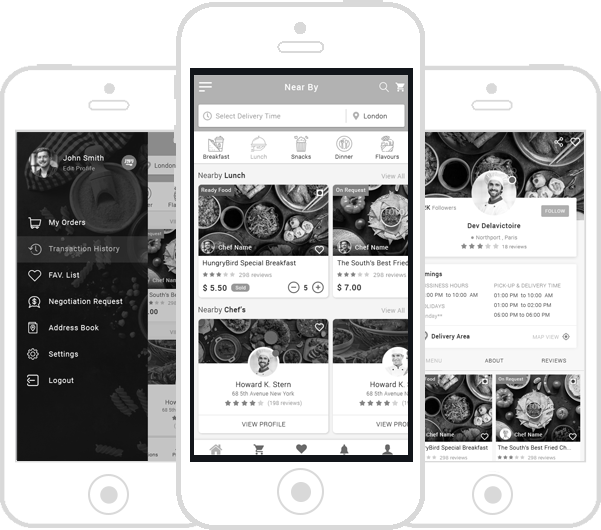
What is Healthcare SaaS Mobile App Development?
Healthcare SaaS mobile app development involves building cloud-based healthcare software platforms that are delivered through subscription-based models. These platforms allow healthcare organizations to access advanced healthcare technologies without the need for expensive infrastructure or complex system maintenance.
Unlike traditional healthcare software, SaaS healthcare applications operate on cloud infrastructure and can be accessed through smartphones, tablets, and web browsers. This allows doctors, healthcare administrators, and patients to access healthcare systems anytime and from any location.
Healthcare SaaS mobile platforms often include multiple healthcare services such as telemedicine consultations, patient record management, appointment scheduling, remote patient monitoring, billing systems, and healthcare analytics.
Healthcare organizations that want to develop scalable healthcare platforms often partner with companies providing Healthcare App Development Solutions to build secure SaaS healthcare platforms that meet regulatory requirements and global healthcare standards.
Why Healthcare SaaS Platforms Are Growing Rapidly
The global healthcare industry is increasingly adopting SaaS technologies due to the flexibility, scalability, and cost-efficiency these platforms provide. Traditional healthcare systems often require expensive hardware, complex installation processes, and ongoing maintenance. SaaS platforms eliminate many of these challenges by providing cloud-based healthcare infrastructure.
Healthcare SaaS applications allow organizations to scale quickly, deploy updates easily, and integrate with other healthcare systems without disrupting existing workflows. This flexibility makes SaaS platforms ideal for modern healthcare environments.
Additionally, SaaS platforms support real-time collaboration between doctors, patients, laboratories, pharmacies, and healthcare administrators. This improves healthcare coordination and enhances the overall patient experience.
Key Features of Healthcare SaaS Mobile Applications
A robust healthcare SaaS mobile application must include features that support both healthcare providers and patients while maintaining high levels of security and compliance.
Patient Registration and Profile Management
Patients can create digital profiles containing their personal health information, medical history, allergies, prescriptions, and diagnostic reports. These profiles enable healthcare providers to deliver personalized treatment plans.
Telemedicine and Virtual Consultations
Telemedicine features allow patients to consult doctors through video calls, voice calls, and secure messaging. This improves healthcare accessibility for patients in remote areas.
Electronic Health Records (EHR)
EHR systems allow healthcare providers to store and manage patient medical records digitally. Cloud-based EHR systems provide secure and real-time access to patient information.
Appointment Scheduling
Healthcare SaaS platforms allow patients to book appointments with doctors based on their availability. Automated reminders reduce missed appointments and improve scheduling efficiency.
Remote Patient Monitoring
Integration with wearable health devices enables continuous monitoring of patient health metrics such as heart rate, blood pressure, glucose levels, and oxygen saturation.
Prescription Management
Doctors can generate digital prescriptions and send them directly to pharmacies through the platform.
Billing and Payment Integration
Secure payment gateways allow patients to pay consultation fees, diagnostic charges, and medical service fees directly within the application.
Healthcare Analytics Dashboard
Healthcare administrators can monitor operational performance, patient engagement, and clinical outcomes through data analytics dashboards.
Types of Healthcare SaaS Platforms
Healthcare SaaS platforms can serve multiple healthcare sectors depending on the business model and target audience.
Telemedicine SaaS Platforms
Telemedicine SaaS solutions allow healthcare providers to deliver virtual healthcare consultations through secure digital platforms.
Hospital Management SaaS Platforms
These platforms help hospitals manage patient records, appointments, billing, medical inventory, and healthcare workflows.
Electronic Health Record SaaS Platforms
EHR SaaS systems allow healthcare providers to store patient medical records in secure cloud infrastructure.
Remote Patient Monitoring SaaS Platforms
These platforms integrate wearable medical devices to monitor patient health conditions remotely.
Healthcare CRM SaaS Platforms
Healthcare CRM systems help manage patient relationships, appointment communications, marketing campaigns, and patient engagement.
Benefits of Healthcare SaaS Mobile App Development
Scalability
SaaS healthcare platforms are designed to scale easily as healthcare organizations grow. New users, healthcare services, and features can be added without major infrastructure upgrades.
Cost Efficiency
SaaS platforms reduce infrastructure costs because healthcare providers do not need to invest in expensive hardware or IT systems.
Remote Accessibility
Healthcare providers and patients can access the platform from anywhere using mobile devices or web browsers.
Automated Updates
Cloud-based SaaS platforms receive automatic updates, ensuring that healthcare systems remain secure and up-to-date.
Improved Patient Engagement
Patients can easily communicate with healthcare providers, track their health data, and manage appointments through mobile applications.
Data-Driven Healthcare Decisions
Healthcare analytics tools provide insights into patient behavior, treatment outcomes, and healthcare operations.
Technologies Used in Healthcare SaaS Mobile App Development
Developing scalable healthcare SaaS platforms requires advanced technologies that ensure performance, security, and interoperability.
Cloud Computing
Cloud infrastructure enables healthcare SaaS platforms to provide secure data storage and scalable computing capabilities.
Artificial Intelligence
AI enables predictive diagnostics, disease risk detection, and clinical decision support.
Internet of Medical Things (IoMT)
IoMT devices connect wearable health trackers and medical sensors to healthcare platforms.
Blockchain
Blockchain enhances healthcare data security and ensures tamper-proof medical records.
Big Data Analytics
Healthcare analytics platforms analyze large volumes of patient data to generate actionable insights.
Healthcare SaaS Security and Compliance
Healthcare SaaS platforms must comply with international healthcare data security regulations to protect sensitive patient information.
- HIPAA compliance
- GDPR compliance
- HL7 interoperability
- FHIR healthcare data exchange standards
- Secure data encryption
- Multi-factor authentication
- Role-based access control
Implementing strong security measures ensures that patient data remains confidential and protected from cyber threats.
Healthcare SaaS Mobile App Development Process
Requirement Analysis
The development process begins with understanding the healthcare organization's business goals and technical requirements.
UI/UX Design
User-friendly interface design ensures that both patients and healthcare providers can easily navigate the platform.
Platform Architecture Design
The SaaS platform architecture is designed to support scalability, performance, and secure data management.
Application Development
Developers build mobile applications, web portals, and backend systems that power the SaaS healthcare platform.
Integration with Healthcare Systems
The platform integrates with electronic health records, diagnostic systems, payment gateways, and healthcare APIs.
Testing and Quality Assurance
Extensive testing ensures platform reliability, security, and compliance with healthcare regulations.
Deployment and Maintenance
Once deployed, the platform requires continuous monitoring, updates, and security improvements.
Future of Healthcare SaaS Platforms
The future of healthcare will be increasingly driven by cloud technologies and SaaS platforms. Healthcare organizations will continue to adopt SaaS solutions to deliver scalable digital healthcare services.
Artificial intelligence, remote diagnostics, wearable devices, and predictive healthcare analytics will further enhance the capabilities of healthcare SaaS platforms.
Healthcare SaaS platforms will also support global healthcare ecosystems where hospitals, clinics, pharmacies, and diagnostic centers collaborate through unified digital infrastructure.
Organizations that invest in healthcare SaaS mobile app development today will be well positioned to lead the next generation of digital healthcare innovation.
Healthcare SaaS mobile app development is transforming the healthcare industry by enabling scalable, secure, and accessible digital healthcare platforms. These cloud-based systems allow healthcare organizations to deliver efficient medical services while improving patient engagement and operational efficiency.
By leveraging advanced technologies such as cloud computing, artificial intelligence, IoT medical devices, and healthcare analytics, SaaS healthcare platforms provide powerful solutions that improve healthcare delivery worldwide.
Healthcare organizations that invest in SaaS healthcare platforms today will gain a significant competitive advantage in the rapidly evolving digital healthcare ecosystem.
Multi-Tenant Healthcare SaaS Platform Architecture
One of the most important components of healthcare SaaS mobile app development is multi-tenant architecture. A multi-tenant SaaS platform allows multiple healthcare organizations to use the same software platform while maintaining complete data separation and security for each organization.
This architecture is essential for SaaS healthcare platforms that serve hospitals, clinics, diagnostic laboratories, and healthcare startups across different regions. Each healthcare organization operates within its own secure environment while sharing the same underlying software infrastructure.
Multi-tenant healthcare SaaS platforms significantly reduce infrastructure costs, improve scalability, and enable faster deployment of healthcare solutions. Instead of building separate systems for each organization, developers create a single platform that can support thousands of healthcare providers.
Core Components of Multi-Tenant Healthcare SaaS Systems
- Tenant-based database architecture
- Secure healthcare data isolation
- Role-based user management
- Configurable healthcare workflows
- Scalable cloud infrastructure
- API-based healthcare integrations
- Centralized SaaS platform management
With multi-tenant architecture, healthcare SaaS providers can rapidly onboard new hospitals or healthcare startups without deploying new infrastructure. The platform automatically creates dedicated environments for each tenant while maintaining high security and performance.
Healthcare SaaS companies benefit significantly from this model because it allows them to scale their business globally while maintaining efficient resource utilization and centralized software management.
As healthcare organizations increasingly adopt cloud-based platforms, multi-tenant SaaS architecture has become the preferred model for delivering scalable healthcare software solutions.
Cloud-Based Healthcare SaaS Platforms for Global Healthcare Systems
Cloud computing has become the backbone of modern healthcare SaaS mobile applications. Cloud-based healthcare SaaS platforms provide healthcare providers with secure access to medical systems, patient records, telemedicine services, and healthcare analytics through scalable cloud infrastructure.
Unlike traditional on-premise healthcare systems, cloud-based SaaS platforms eliminate the need for expensive hardware installations and complex IT management. Healthcare organizations can access advanced healthcare technologies through secure cloud environments using mobile devices, tablets, and web applications.
Cloud healthcare platforms enable hospitals and healthcare networks to manage large volumes of patient data while maintaining high availability and system reliability. These platforms support real-time collaboration between healthcare providers, allowing doctors, nurses, and specialists to access patient information instantly.
Advantages of Cloud-Based Healthcare SaaS Platforms
- Scalable healthcare infrastructure
- Real-time access to patient data
- Secure cloud storage for medical records
- High availability and disaster recovery
- Remote healthcare service delivery
- Seamless system updates and maintenance
Cloud platforms also support advanced healthcare technologies such as artificial intelligence diagnostics, remote patient monitoring, wearable device integrations, and predictive healthcare analytics.
Healthcare providers can deploy digital health platforms faster and expand services globally using cloud-based SaaS infrastructure. This flexibility is particularly valuable for telemedicine companies and digital health startups seeking rapid market expansion.
As the healthcare industry continues to embrace digital transformation, cloud-based SaaS platforms will remain essential for delivering scalable and connected healthcare services worldwide.
Healthcare SaaS Platforms for Digital Health Startups
The rapid growth of digital health startups has created significant demand for scalable healthcare SaaS platforms. Startups developing telemedicine apps, remote monitoring platforms, AI diagnostics tools, and digital therapeutics solutions rely heavily on SaaS architectures to deliver their services.
Healthcare SaaS platforms allow startups to launch digital health products quickly without building complex infrastructure from scratch. Instead, they can focus on innovation while leveraging scalable cloud-based healthcare systems.
Digital health startups often build SaaS platforms that serve multiple healthcare providers simultaneously. These platforms support subscription-based revenue models where hospitals, clinics, and healthcare professionals pay monthly or annual fees to access the platform.
Popular Healthcare SaaS Startup Solutions
- Telemedicine consultation platforms
- Remote patient monitoring systems
- Digital therapeutics applications
- AI-powered healthcare diagnostics platforms
- Healthcare analytics platforms
- Electronic health record SaaS systems
Healthcare SaaS startups benefit from the ability to scale rapidly as their user base grows. Cloud infrastructure allows these platforms to support thousands or millions of patients without significant performance limitations.
In addition to scalability, SaaS healthcare platforms allow startups to deploy continuous updates, introduce new features, and improve system performance without interrupting healthcare services.
Investors are increasingly funding healthcare SaaS startups because these platforms offer strong recurring revenue models and the potential to disrupt traditional healthcare systems.
As digital healthcare innovation continues to accelerate, SaaS platforms will play a critical role in enabling the next generation of healthcare technology startups.
h2 tag
para
h2 tag
para
h2 tag
para
Your choice of weapon
Build your Apps for any Platform
Frequently Asked Questions
What is healthcare SaaS?
Healthcare SaaS refers to cloud-based healthcare software delivered through subscription models. These platforms allow healthcare providers to access healthcare applications without installing software locally.
What are the benefits of healthcare SaaS platforms?
Healthcare SaaS platforms offer scalability, cost efficiency, remote accessibility, automatic updates, improved patient engagement, and advanced healthcare analytics.
How long does it take to develop a healthcare SaaS platform?
The development timeline depends on platform complexity and features. Typically, SaaS healthcare platforms take between 4 to 12 months to develop.
Are healthcare SaaS platforms secure?
Yes, healthcare SaaS platforms implement strong security frameworks including HIPAA compliance, encryption, role-based access control, and secure authentication.
Who can benefit from healthcare SaaS mobile applications?
Hospitals, clinics, telemedicine startups, diagnostic labs, healthcare providers, insurance companies, and patients can benefit from healthcare SaaS mobile applications.
We to code. It's our passion








you can also reach us at our given
email address or phone number.