
The healthcare industry is undergoing a major digital transformation, and one of the most impactful innovations is the rise of virtual care platforms. These platforms are redefining how patients interact with healthcare providers, making medical services more accessible, efficient, and patient-centric.
Virtual care platforms, often referred to as telemedicine or telehealth systems, enable remote consultations, digital diagnosis, and continuous patient monitoring. Whether it’s a video consultation with a doctor, remote monitoring of chronic conditions, or digital prescription management, these platforms are becoming the backbone of modern healthcare.
If you're looking to build a robust and scalable solution, investing in telemedicine platform development can help healthcare providers deliver seamless remote care experiences while improving operational efficiency.
What is a Virtual Care Platform?
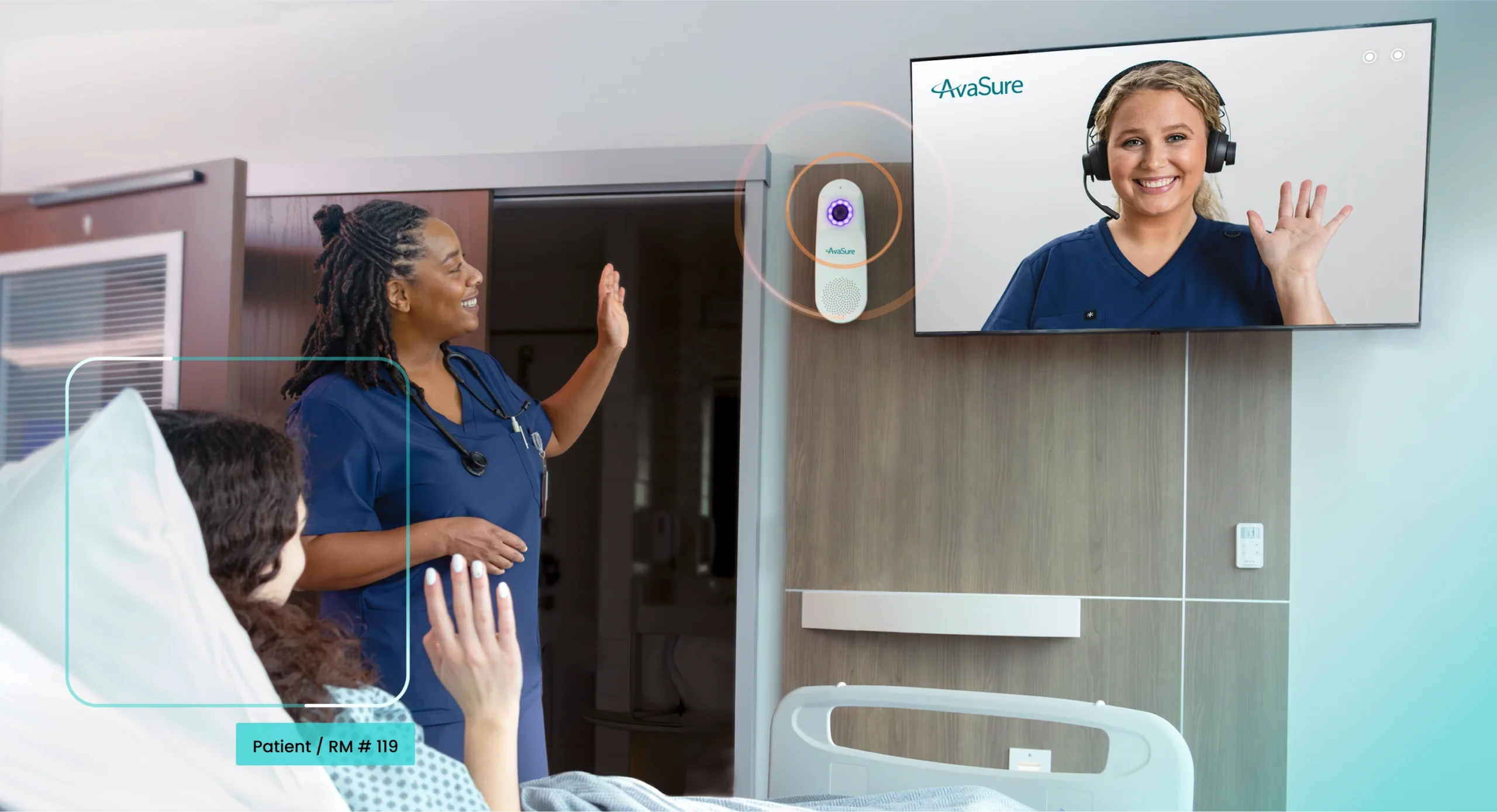
A virtual care platform is a digital healthcare solution that enables communication between patients and healthcare providers without requiring physical presence. It leverages technologies such as video conferencing, mobile apps, cloud computing, and AI to deliver healthcare services remotely.
- Video consultations
- Remote patient monitoring
- Online prescriptions
- Digital health records
- Appointment scheduling
Why Virtual Care Platforms Are Gaining Popularity
The demand for virtual care has skyrocketed due to increasing healthcare needs, technological advancements, and the need for convenience. Below are key reasons driving adoption:
| Factor | Impact |
|---|---|
| Accessibility | Patients can consult doctors from anywhere |
| Cost Efficiency | Reduces travel and hospital infrastructure costs |
| Convenience | Flexible appointment scheduling |
| Scalability | Supports large patient volumes |
Key Features of Virtual Care Platforms
1. Video Consultation
Secure video conferencing allows real-time interaction between patients and doctors, replicating in-person visits.
2. Appointment Scheduling
Users can easily book, reschedule, or cancel appointments through intuitive interfaces.
3. Electronic Health Records (EHR)
Centralized storage of patient data ensures better diagnosis and treatment continuity.
4. E-Prescriptions
Doctors can digitally prescribe medications, reducing paperwork and errors.
5. Remote Monitoring
Wearables and IoT devices allow continuous health tracking for chronic patients.
How Virtual Care Platforms Enable Remote Consultations

Virtual care platforms simplify the consultation process through a seamless workflow:
- Patient registers and logs in
- Selects a doctor based on specialization
- Schedules an appointment
- Connects via video/audio call
- Receives diagnosis and prescription
This process reduces waiting time, eliminates geographical barriers, and enhances patient satisfaction.
Benefits for Patients and Providers
| Stakeholder | Benefits |
|---|---|
| Patients | Convenience, faster access, reduced costs |
| Doctors | Flexible work hours, wider reach |
| Hospitals | Operational efficiency, increased revenue |
Technology Stack Behind Virtual Care Platforms
Building a virtual care platform requires a robust technology stack:
- Frontend: React, Angular, Vue.js
- Backend: Node.js, Django, .NET
- Database: MongoDB, PostgreSQL
- Cloud: AWS, Azure, Google Cloud
- Video APIs: WebRTC, Twilio
Challenges in Virtual Care Platform Development
- Data security and compliance (HIPAA, GDPR)
- Integration with existing healthcare systems
- User adoption and training
- Network reliability for video consultations
Future Trends in Virtual Care
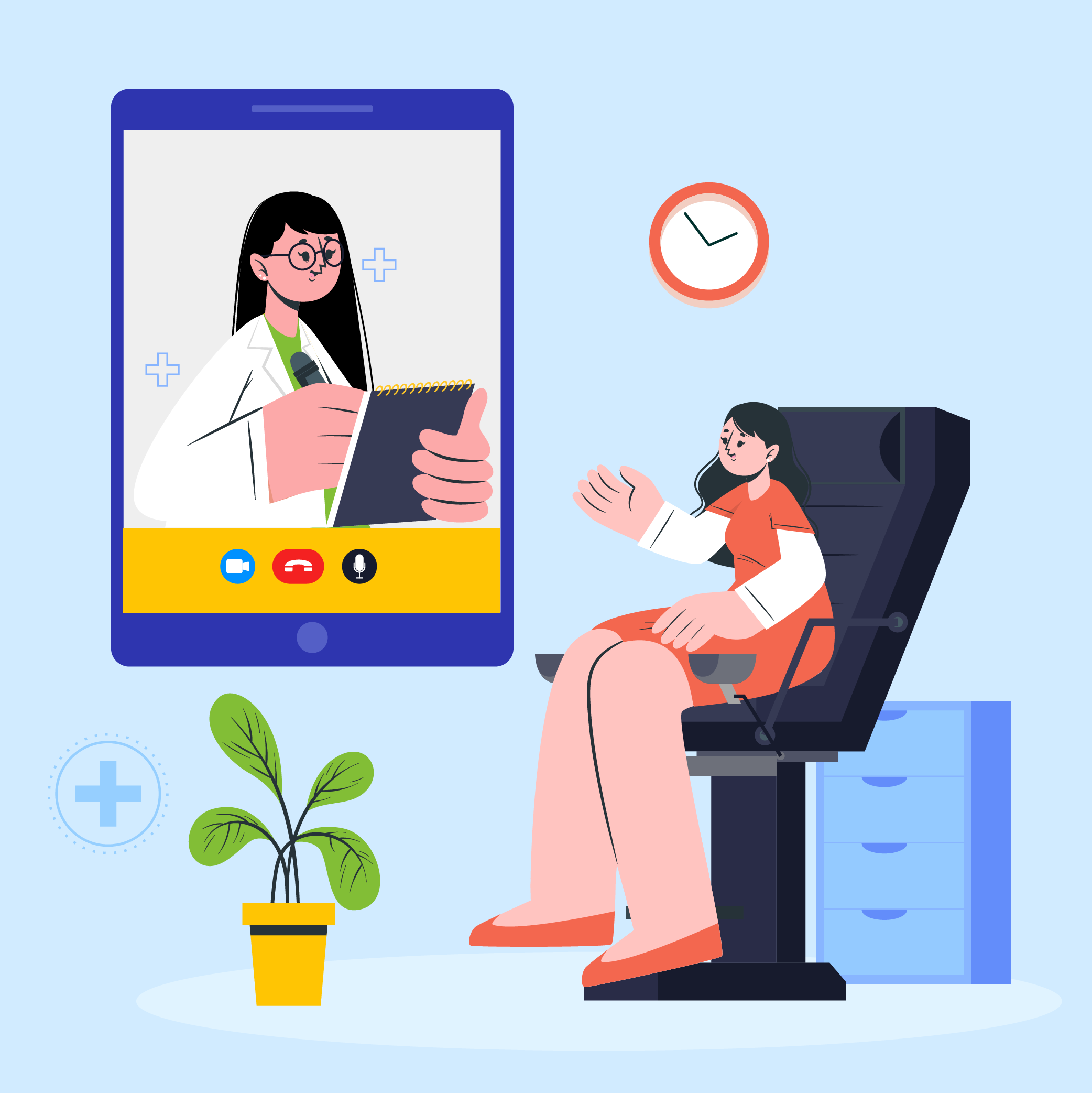
The future of virtual care is driven by emerging technologies:
- AI-powered diagnosis
- Blockchain for secure data sharing
- IoT-based health monitoring
- AR/VR for remote surgeries and training
Why Choose Developers App India BM Coder?
Developers App India BM Coder is a leading software development company specializing in healthcare solutions. With deep expertise in telemedicine platforms, we deliver scalable, secure, and user-friendly applications tailored to your business needs.
- Custom healthcare app development
- HIPAA-compliant solutions
- End-to-end development services
- Advanced UI/UX design
Call to Action (CTA)
Ready to build your own virtual care platform and transform healthcare delivery?
📧 Email us: [email protected]
📱 WhatsApp: +91 9586979730
Let’s create a powerful telemedicine solution tailored to your needs.
Conclusion
Virtual care platforms are revolutionizing the healthcare industry by enabling remote consultations and continuous patient care. They improve accessibility, reduce costs, and enhance patient outcomes. As technology continues to evolve, these platforms will become even more integral to healthcare systems worldwide.
Now is the perfect time to invest in telemedicine platform development and stay ahead in the digital healthcare revolution.
Blog ID: 1483Author: parth
Date: 24-04-2026
We to code. It's our passion








you can also reach us at our given
email address or phone number.