What is a Telemedicine Platform?
A telemedicine platform is a comprehensive digital healthcare system that enables remote interaction between patients and healthcare professionals using secure online technologies. These platforms combine multiple healthcare tools including video consultations, patient management systems, appointment scheduling modules, electronic prescriptions, and digital health record management.
Unlike simple healthcare apps, telemedicine platforms are designed as complete healthcare ecosystems. They often include mobile applications for patients and doctors, web-based administrative dashboards, integrated healthcare APIs, and secure cloud infrastructure for managing medical data.
Healthcare organizations use telemedicine platforms to improve patient access to healthcare services, reduce hospital overcrowding, and provide continuous healthcare monitoring.
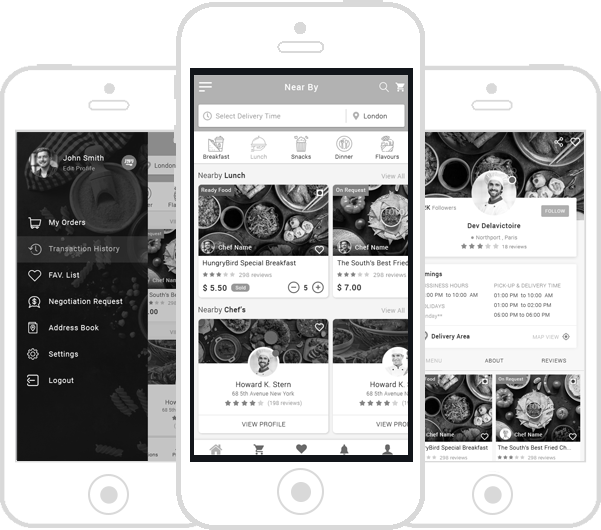
Why Telemedicine Platforms Are Transforming Healthcare
Telemedicine platforms are revolutionizing healthcare delivery by making medical services accessible from anywhere. Patients can connect with doctors remotely without the need for physical visits, which improves healthcare accessibility and reduces healthcare costs.
Healthcare providers also benefit from telemedicine platforms by improving operational efficiency and expanding their patient reach. Doctors can conduct remote consultations, manage digital medical records, and monitor patient health conditions in real time.
- Improved access to healthcare services
- Reduced hospital and clinic congestion
- Lower healthcare operational costs
- Better patient engagement and communication
- Remote patient monitoring capabilities
- Digital healthcare record management
These benefits have led to rapid adoption of telemedicine platforms across hospitals, clinics, and healthcare startups worldwide.
Core Modules of a Telemedicine Platform
A telemedicine platform consists of multiple integrated modules that enable healthcare providers and patients to interact through secure digital systems.
Patient Application
The patient application allows users to register, search for doctors, book appointments, attend video consultations, and access medical records.
- Patient profile management
- Appointment booking
- Video consultations
- Medical history access
- Prescription management
- Online payment integration
Doctor Application
The doctor application enables healthcare professionals to manage appointments, conduct consultations, prescribe medications, and review patient health records.
- Doctor profile management
- Appointment scheduling
- Video consultation tools
- Prescription management
- Patient record access
Admin Dashboard
The administrative dashboard allows healthcare organizations to manage the entire telemedicine platform.
- User management
- Doctor verification
- Appointment monitoring
- Payment tracking
- Healthcare analytics
Telemedicine Platform Architecture
Developing a scalable telemedicine platform requires a strong technical architecture capable of supporting real-time communication and secure healthcare data management.
A typical telemedicine platform architecture includes several layers.
Frontend Applications
- Patient mobile applications
- Doctor mobile applications
- Web-based healthcare portals
Backend Infrastructure
- Healthcare data management systems
- Authentication and security services
- Video consultation infrastructure
- API gateway for healthcare integrations
Cloud Infrastructure
Cloud platforms such as AWS, Microsoft Azure, and Google Cloud are commonly used for hosting telemedicine systems.
- Secure healthcare data storage
- Scalable computing infrastructure
- Real-time video streaming servers
- Disaster recovery and backup systems
Key Features of Telemedicine Platforms
Successful telemedicine platforms provide a range of features designed to support remote healthcare delivery.
- Doctor discovery and search functionality
- Online appointment scheduling
- Secure video consultations
- Electronic prescription management
- Digital health record management
- Integrated payment systems
- Healthcare analytics dashboards
- Remote patient monitoring integrations
These features allow healthcare providers to deliver efficient telehealth services while improving patient satisfaction.
Telemedicine Platform Development Process
Developing a telemedicine platform involves several stages to ensure security, compliance, and scalability.
- Healthcare product discovery and planning
- Telemedicine platform architecture design
- User interface and user experience design
- Telemedicine software development
- Healthcare API integration
- Security testing and compliance verification
- Deployment and cloud infrastructure setup
- Ongoing maintenance and platform updates
This development process ensures that the telemedicine platform meets the technical and regulatory requirements of the healthcare industry.
Healthcare Compliance for Telemedicine Platforms
Telemedicine platforms must comply with healthcare regulations to ensure the protection of sensitive patient data.
Healthcare organizations often implement HIPAA Compliant App Development practices to secure patient health information and maintain regulatory compliance.
Important healthcare compliance standards include:
- HIPAA for healthcare data protection
- GDPR for patient data privacy
- HL7 for healthcare data exchange
- FHIR for healthcare interoperability
Implementing these standards ensures that telemedicine platforms maintain secure communication and data management practices.
Healthcare API Integration
Modern telemedicine platforms integrate with external healthcare systems to improve functionality and data exchange.
Healthcare APIs allow telemedicine platforms to connect with electronic health record systems, laboratory systems, payment platforms, and medical device networks.
Organizations can use our Healthcare API Development Services to build secure integrations with third-party healthcare systems.
Telemedicine Platform Development Cost
The cost of telemedicine platform development depends on platform complexity, feature set, and compliance requirements.
| Platform Module | Estimated Cost |
|---|---|
| Patient Mobile Application | $8,000 – $18,000 |
| Doctor Mobile Application | $7,000 – $15,000 |
| Admin Dashboard | $5,000 – $12,000 |
| Video Consultation Infrastructure | $6,000 – $15,000 |
| Electronic Prescription System | $4,000 – $8,000 |
The total cost of building a telemedicine platform typically ranges between $40,000 and $150,000 depending on system complexity and integrations.
Telemedicine Platforms for Hospitals and Healthcare Startups
Hospitals and healthcare startups adopt telemedicine platforms to improve patient care delivery and expand healthcare accessibility.
Hospitals often use telemedicine systems for remote consultations, patient monitoring, and digital health record management.
Healthcare startups build telemedicine platforms to launch innovative digital health services and create scalable healthcare SaaS platforms.
Organizations planning full digital healthcare ecosystems can also explore our Healthcare App Development Company services.
Related Healthcare App Development Solutions
Hire Telemedicine Platform Developers
If you are planning to build a scalable telemedicine platform, you can Hire Healthcare App Developers with expertise in healthcare platform architecture, telehealth technologies, and healthcare compliance.
Our healthcare development team helps hospitals, clinics, and startups design and launch secure telemedicine platforms that improve healthcare delivery and patient engagement.
Your choice of weapon
Build your Apps for any Platform
Frequently Asked Questions
How long does it take to build a telemedicine platform?
Telemedicine platform development typically takes between 4 and 9 months depending on feature complexity, compliance requirements, and system integrations.
What technologies are used to build telemedicine platforms?
Common technologies include React, Flutter, Node.js, Python, cloud infrastructure platforms such as AWS or Azure, and secure video communication technologies.
Are telemedicine platforms secure?
Yes. Telemedicine platforms implement encryption, secure authentication systems, and healthcare compliance standards such as HIPAA to ensure patient data security.
Who uses telemedicine platforms?
Telemedicine platforms are used by hospitals, clinics, healthcare startups, insurance companies, and digital health providers.
We to code. It's our passion









you can also reach us at our given
email address or phone number.