In today’s hyper-connected global economy, logistics and supply chain platforms are no longer just operational tools—they are strategic enablers of business growth. From real-time shipment tracking to predictive demand forecasting, modern logistics systems rely heavily on advanced technologies to ensure efficiency, scalability, and resilience.
Businesses that invest in robust digital logistics platforms gain a significant competitive edge by improving visibility, reducing operational costs, and enhancing customer satisfaction. In this blog, we will explore the key technologies that power modern logistics and supply chain platforms and how they are transforming the industry.
If you're planning to build a scalable logistics platform, check out our logistics software development to get expert guidance and end-to-end solutions tailored to your business needs.
1. Cloud Computing: The Backbone of Modern Logistics
Cloud computing forms the foundation of most modern logistics platforms. It enables businesses to store, process, and access data from anywhere in the world, ensuring seamless operations across multiple locations.
Benefits of Cloud in Logistics
- Scalability to handle fluctuating demand
- Real-time data synchronization
- Cost efficiency with pay-as-you-go models
- Improved collaboration across teams
| Cloud Feature | Impact on Logistics |
|---|---|
| Elastic Scaling | Handles peak shipping loads efficiently |
| Data Storage | Stores large volumes of shipment data |
| Remote Access | Enables global logistics management |
2. Internet of Things (IoT): Real-Time Visibility

IoT devices such as GPS trackers, RFID tags, and smart sensors provide real-time visibility into shipments, vehicles, and warehouse operations. This helps businesses monitor goods throughout the supply chain.
Key Use Cases
- Fleet tracking and route optimization
- Temperature monitoring for perishable goods
- Warehouse automation
3. Artificial Intelligence (AI) and Machine Learning (ML)
AI and ML are revolutionizing logistics by enabling predictive analytics, automation, and intelligent decision-making. These technologies help companies forecast demand, optimize routes, and reduce operational risks.
| AI Application | Benefit |
|---|---|
| Demand Forecasting | Improves inventory planning |
| Route Optimization | Reduces delivery time and fuel costs |
| Chatbots | Enhances customer support |
4. Blockchain: Transparency and Security
Blockchain technology ensures transparency, security, and traceability in supply chains. It allows all stakeholders to access a single, immutable record of transactions.
Advantages
- Prevents fraud and data tampering
- Improves trust among partners
- Enhances traceability of goods
5. Big Data and Analytics
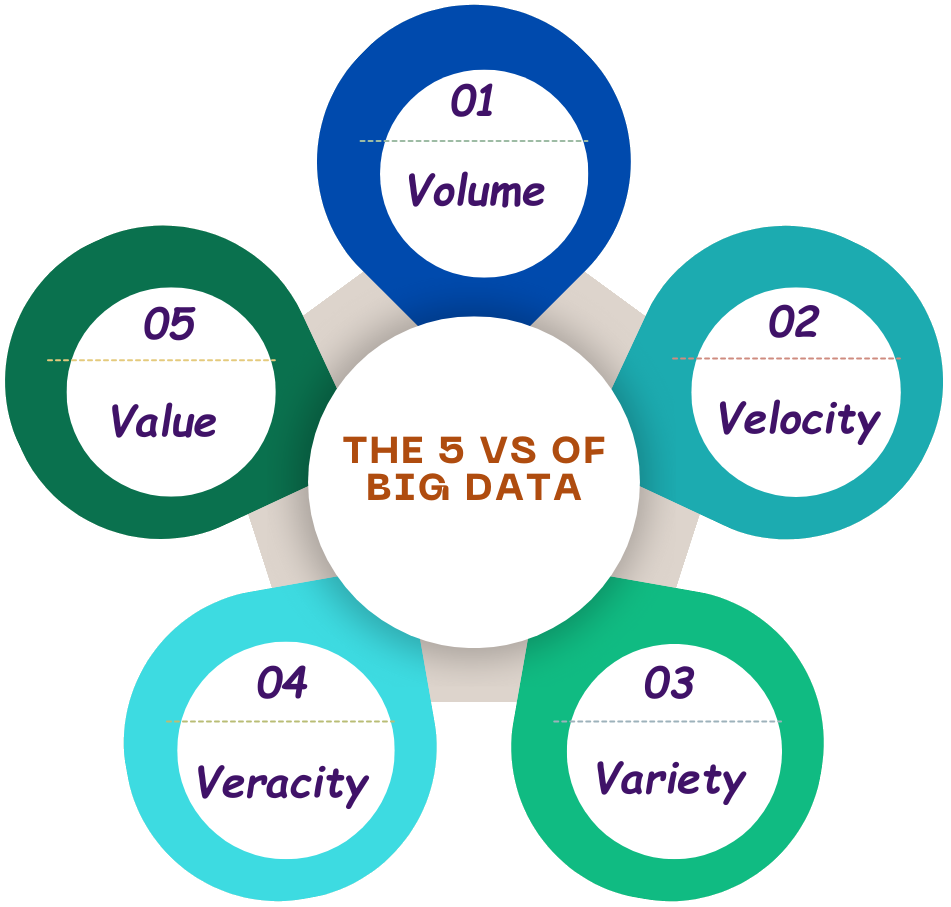
Logistics platforms generate massive amounts of data. Big data analytics helps businesses extract valuable insights to improve efficiency and decision-making.
Key Insights from Data
- Customer behavior analysis
- Operational performance metrics
- Predictive maintenance
6. API Integration and Microservices Architecture
Modern logistics platforms rely on APIs and microservices to integrate with third-party services such as payment gateways, mapping services, and ERP systems.
| Technology | Purpose |
|---|---|
| APIs | Connect different systems seamlessly |
| Microservices | Enable modular and scalable architecture |
7. Automation and Robotics
Automation technologies such as robotic process automation (RPA) and warehouse robots are improving efficiency and reducing manual errors in logistics operations.
Examples
- Automated sorting systems
- Warehouse robots for picking and packing
- Automated invoicing
8. GPS and Geolocation Services
GPS technology plays a crucial role in logistics by enabling real-time tracking, route optimization, and delivery updates.
9. Cybersecurity Technologies
As logistics platforms become more digital, cybersecurity is critical to protect sensitive data and ensure business continuity.
Security Measures
- Data encryption
- Multi-factor authentication
- Secure APIs
10. Mobile Technologies
Mobile apps empower drivers, warehouse staff, and customers with real-time information and communication tools.
| User | Mobile Feature |
|---|---|
| Drivers | Route navigation and updates |
| Customers | Shipment tracking |
| Managers | Performance dashboards |
Future Trends in Logistics Technology
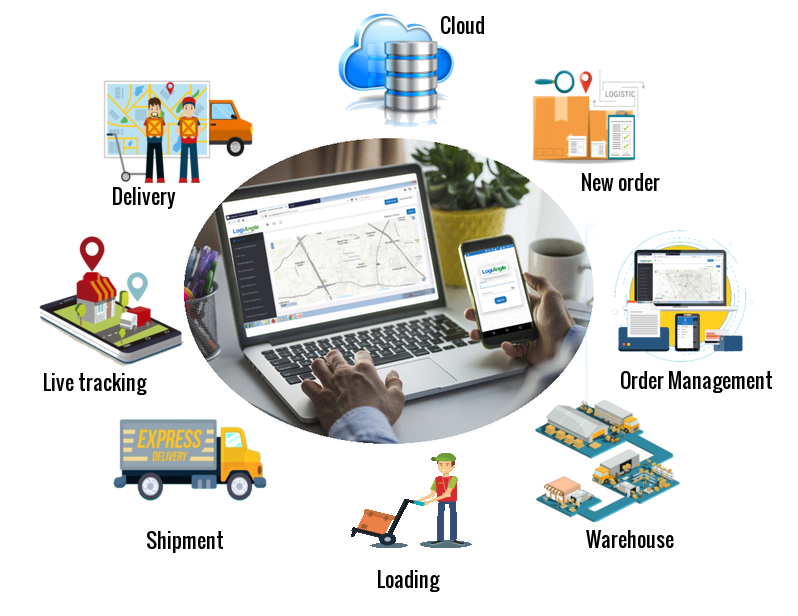
The future of logistics will be shaped by innovations such as autonomous vehicles, drones, digital twins, and advanced AI systems. Businesses that adopt these technologies early will gain a strong competitive advantage.
Conclusion
Modern logistics and supply chain platforms are powered by a combination of cutting-edge technologies that enhance efficiency, visibility, and scalability. From cloud computing to AI and blockchain, each technology plays a vital role in transforming the logistics industry.
Investing in the right technology stack is essential for building a future-ready logistics platform that meets evolving business and customer demands.
🚀 Build Your Logistics Platform with Experts
Looking to develop a powerful logistics or supply chain platform? Our team at BM Coder specializes in building scalable, secure, and high-performance solutions tailored to your business needs.
📧 Email: [email protected]
💬 WhatsApp: +91 9586979730
Get in touch today and transform your logistics operations with cutting-edge technology!
Author: parth
Date: 17-04-2026
We to code. It's our passion










you can also reach us at our given
email address or phone number.