Choosing the right technology stack is one of the most critical decisions in logistics app development. The performance, scalability, security, and future growth of your logistics platform depend heavily on the technologies used to build it. From real-time tracking and route optimization to enterprise integrations and analytics, every feature relies on a well-architected technology foundation.
This page provides a complete overview of the logistics app technology stack required to build modern, enterprise-ready logistics platforms. It is designed for logistics companies, 3PL providers, ecommerce fulfillment businesses, freight operators, and global enterprises planning to build or modernize logistics applications.
All logistics platforms we develop include mobile apps, a powerful custom admin panel, secure APIs, and cloud-ready infrastructure designed for international scale.
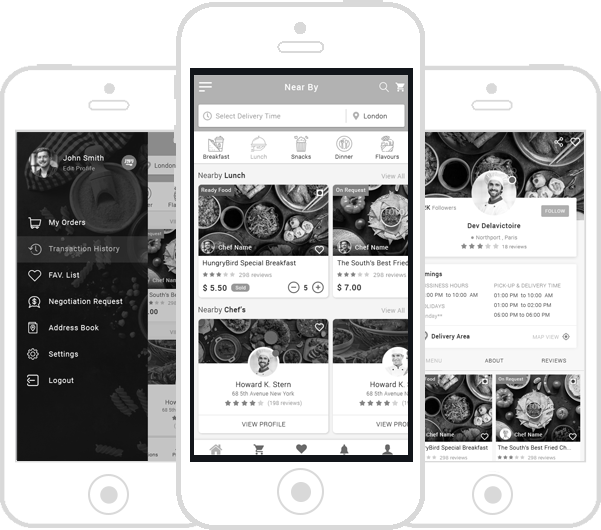
Why Technology Stack Matters in Logistics App Development
Logistics applications operate in real-time environments where delays, downtime, or security vulnerabilities can lead to financial losses and reputational damage. A poorly chosen technology stack may limit scalability, increase maintenance costs, and expose the system to performance or security risks.
By partnering with a logistics mobile app development company, businesses ensure that the technology stack is selected based on real-world logistics workflows, data volume, geographic scale, and compliance needs.
A future-ready logistics technology stack enables faster feature development, seamless integrations, high availability, and long-term cost efficiency.
Core Components of a Logistics App Technology Stack
A modern logistics application is not a single system but an ecosystem of interconnected components. Each layer plays a specific role in ensuring smooth operations.
- Mobile applications (Driver, Customer, Manager apps)
- Web-based admin panel
- Backend and APIs
- Database and data processing layer
- Cloud infrastructure and DevOps
- Security and compliance layer
- Third-party integrations
Mobile App Technology Stack for Logistics Platforms
Mobile apps are the operational front-end of logistics systems. Drivers, delivery staff, warehouse teams, and customers interact with the platform primarily through mobile applications.
Mobile App Frameworks
| Technology | Usage |
|---|---|
| Flutter | Cross-platform apps with high performance |
| React Native | Cross-platform development with faster time-to-market |
| Native iOS | High-performance apps for Apple devices |
| Native Android | Optimized apps for Android devices |
Cross-platform frameworks are commonly used to reduce development cost while maintaining performance, especially for global logistics platforms.
Mobile App Capabilities Enabled by the Stack
- Real-time GPS tracking
- Offline data synchronization
- Push notifications and alerts
- Camera and document capture
- Secure authentication
Admin Panel Technology Stack (Control Center)
The admin panel is the backbone of logistics operations. It provides centralized control, analytics, configuration, and reporting across the entire logistics ecosystem.
| Admin Panel Layer | Technology Approach |
|---|---|
| Frontend | Modern responsive web dashboards |
| Backend | API-driven architecture |
| Authentication | Role-based access control (RBAC) |
| Analytics | Real-time dashboards and reports |
Admin panels are custom-built to match logistics workflows such as shipment management, fleet control, billing, and reporting.
Backend Technology Stack for Logistics Applications
The backend is the core processing engine of a logistics platform. It handles business logic, data processing, integrations, and real-time communication.
Backend Frameworks
| Technology | Role |
|---|---|
| Laravel | Secure, scalable backend development |
| Node.js | Real-time and event-driven processing |
| Python | Analytics, automation, AI integration |
These backend technologies enable high-performance APIs, background processing, and scalable logistics workflows.
API Architecture
- RESTful APIs for mobile and web apps
- Secure authentication and authorization
- Rate limiting and monitoring
- Third-party API integration
Database & Data Management Stack
Logistics platforms generate large volumes of real-time and historical data. Choosing the right database stack is essential for performance and reliability.
| Database Type | Usage |
|---|---|
| MySQL | Transactional logistics data |
| PostgreSQL | Complex queries and analytics |
| Data Warehouses | Reporting and historical analysis |
Efficient data modeling ensures fast queries, accurate reporting, and smooth scalability.
Cloud Infrastructure & DevOps Stack
Modern logistics applications are built on cloud infrastructure to support scalability, reliability, and global availability.
| Cloud Component | Purpose |
|---|---|
| AWS | Scalable cloud hosting |
| Azure | Enterprise-grade infrastructure |
| Containerization | Consistent deployment environments |
| CI/CD Pipelines | Automated testing and deployment |
Cloud-native architecture ensures high availability, disaster recovery, and cost optimization.
Security Technology Stack for Logistics Apps
Security is a core requirement for logistics platforms handling sensitive operational and customer data.
- End-to-end data encryption
- Role-based access control
- Secure authentication and authorization
- Audit logs and monitoring
- Compliance with GDPR and global standards
Security is embedded into every layer of the logistics technology stack.
Third-Party Integrations Supported by the Stack
- Maps and navigation APIs
- Payment gateways
- ERP and accounting systems
- CRM platforms
- IoT and sensor devices
A flexible integration layer ensures smooth data flow between logistics systems and external services.
How We Design the Right Logistics App Technology Stack
- Business and operational requirement analysis
- FREE SRS documentation with technology mapping
- FREE wireframe and system architecture design
- Technology selection based on scale and budget
- Secure development and testing
- Deployment, monitoring, and optimization
Free Benefits We Offer (No Obligation)
- FREE detailed SRS documentation
- FREE wireframe and system architecture design
- FREE technical and server consultation
- FREE security best-practice guidance
- FREE 6 months maintenance and support
All free offerings come with no commitments or hidden costs.
Why Choose Us for Logistics App Technology Stack Consulting?
- Experience with global logistics platforms
- Technology decisions based on real operations
- Highly secure and scalable architectures
- Custom admin panels and mobile apps
- Long-term technical partnership
Build a Future-Ready Logistics Platform
The right logistics app technology stack determines how efficiently your platform performs today and how well it scales tomorrow. Our team helps you design and implement a technology foundation that supports growth, security, and innovation.
Contact us today to receive your FREE SRS, FREE wireframes, and FREE technical consultation and start building a robust logistics platform.
Your choice of weapon
Build your Apps for any Platform
Frequently Asked Questions
What is the best technology stack for logistics apps?
The best stack depends on scale, features, and geography, but typically includes mobile apps, secure backend APIs, cloud infrastructure, and admin dashboards.
Can the technology stack scale for enterprise use?
Yes. The architecture is designed to support high transaction volumes and global operations.
Do you provide a custom admin panel?
Yes. Every logistics application includes a fully customized admin panel.
Is the platform secure?
Security is embedded at every layer of the technology stack.
What support do you provide after launch?
We provide 6 months of free maintenance and long-term support.
We to code. It's our passion





you can also reach us at our given
email address or phone number.