Digital transformation is rapidly reshaping the healthcare industry. Hospitals, healthcare startups, clinics, insurance providers, and medical organizations are adopting advanced technologies to improve patient outcomes, streamline operations, and expand access to medical services. Digital health platforms have emerged as one of the most powerful solutions enabling healthcare providers to deliver connected, intelligent, and data-driven care.
Digital health platform app development focuses on building integrated systems that combine telemedicine, remote patient monitoring, electronic health records, AI-powered diagnostics, wearable device integrations, and healthcare analytics into a unified digital ecosystem. These platforms enable healthcare organizations to deliver efficient and personalized care while improving operational efficiency.
A well-designed digital health platform connects patients, doctors, healthcare providers, laboratories, pharmacies, and insurance companies through secure mobile apps and web systems. It enables virtual consultations, health data management, appointment scheduling, medication management, real-time patient monitoring, and clinical decision support.
Healthcare organizations worldwide are investing in digital health platforms to improve patient engagement, enhance medical workflows, and provide scalable healthcare services. Modern digital health platforms leverage technologies like artificial intelligence, IoT medical devices, cloud computing, big data analytics, and secure health data exchange standards such as HL7 and FHIR.
What is a Digital Health Platform?
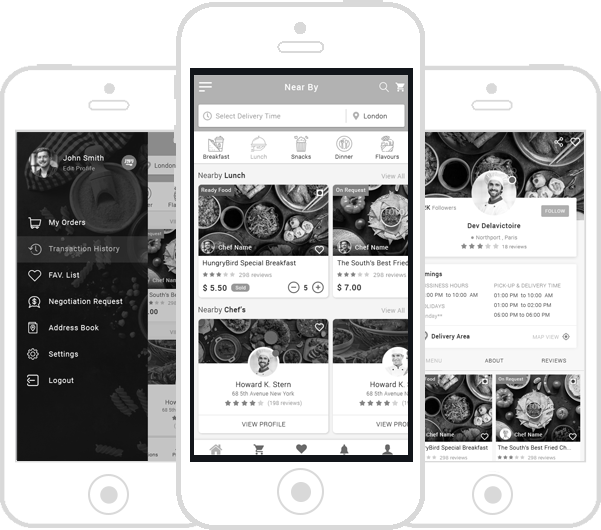
A digital health platform is an integrated software ecosystem that enables healthcare services to be delivered digitally through mobile applications, web platforms, cloud infrastructure, and connected medical devices. These platforms bring together multiple healthcare functions such as telemedicine, patient records management, diagnostics, care coordination, and health monitoring into a centralized system.
The primary objective of a digital health platform is to improve healthcare accessibility, enhance patient engagement, and enable healthcare providers to deliver more efficient and personalized medical services.
Digital health platforms typically support multiple stakeholders including:
- Patients
- Doctors and physicians
- Hospitals and clinics
- Diagnostic laboratories
- Pharmacies
- Insurance providers
- Healthcare administrators
By connecting these stakeholders in a single digital ecosystem, healthcare organizations can provide seamless healthcare services while reducing administrative complexity and operational costs.
Importance of Digital Health Platform App Development
The healthcare industry is experiencing unprecedented growth in digital innovation. Healthcare providers are shifting from traditional systems to digital health platforms to improve efficiency, reduce costs, and enhance patient experiences.
Modern healthcare organizations require scalable digital platforms that allow them to manage complex healthcare operations efficiently. A professionally developed digital health platform ensures secure patient data management, smooth communication between providers and patients, and real-time health monitoring.
Healthcare organizations seeking scalable digital healthcare systems often partner with specialized development companies that provide comprehensive Healthcare App Development Services to design secure and compliant digital health platforms tailored to their specific business requirements.
Digital health platforms empower healthcare providers to deliver high-quality care while improving operational workflows and increasing patient engagement.
Key Features of Digital Health Platform Applications
A robust digital health platform must include advanced features that support both healthcare providers and patients. These features help streamline medical workflows while improving the quality of patient care.
Patient Registration and Profile Management
Patients can create personal profiles containing their medical history, health records, allergies, medications, and health metrics. These profiles allow doctors to access patient information quickly and make informed clinical decisions.
Telemedicine and Virtual Consultation
Telemedicine functionality enables patients to consult with doctors through video calls, voice calls, or chat. This feature eliminates geographical barriers and allows patients to receive medical advice without visiting a hospital.
Appointment Scheduling
Digital health platforms allow patients to book appointments with doctors based on their availability. Automated reminders reduce missed appointments and improve healthcare scheduling efficiency.
Electronic Health Records (EHR)
EHR systems store patient medical records digitally, allowing healthcare providers to access accurate and up-to-date medical information anytime.
Remote Patient Monitoring
Integration with wearable devices and IoT medical equipment enables continuous monitoring of vital health metrics such as heart rate, blood pressure, glucose levels, and oxygen saturation.
AI-Powered Diagnostics
Artificial intelligence can analyze patient data to provide predictive insights, risk assessments, and early disease detection.
Prescription Management
Doctors can generate digital prescriptions that are sent directly to pharmacies, improving medication management and reducing prescription errors.
Secure Messaging
Secure communication channels allow patients and healthcare providers to exchange messages, reports, and treatment plans safely.
Payment Integration
Patients can pay consultation fees, diagnostic test charges, and healthcare service fees through secure online payment systems.
Healthcare Analytics Dashboard
Healthcare administrators can monitor performance metrics, patient engagement data, operational efficiency, and healthcare outcomes through advanced analytics dashboards.
Types of Digital Health Platforms
Digital health platforms can serve various healthcare sectors depending on the organization’s needs. Some of the most common types include:
Telemedicine Platforms
Telemedicine platforms allow doctors to consult patients remotely through video consultations, online prescriptions, and virtual follow-ups.
Remote Patient Monitoring Platforms
These platforms integrate with wearable health devices and medical sensors to monitor patients remotely, especially for chronic disease management.
Hospital Management Platforms
Hospital digital platforms help healthcare organizations manage patient records, appointment scheduling, billing, laboratory systems, and operational workflows.
Digital Therapeutics Platforms
Digital therapeutics platforms deliver evidence-based therapeutic interventions through software programs to treat medical conditions.
Chronic Disease Management Platforms
These platforms help manage long-term diseases such as diabetes, hypertension, asthma, and cardiovascular diseases through continuous monitoring and personalized treatment plans.
Technologies Used in Digital Health Platform Development
Building a scalable digital health platform requires advanced technologies that ensure performance, security, and interoperability.
Artificial Intelligence
AI enables predictive analytics, clinical decision support, disease risk detection, and medical image analysis.
Internet of Medical Things (IoMT)
IoMT connects medical devices and wearable health trackers to digital health platforms for continuous patient monitoring.
Cloud Computing
Cloud infrastructure provides scalable storage and computing capabilities while ensuring secure access to healthcare data.
Big Data Analytics
Healthcare analytics tools analyze large volumes of medical data to generate insights that improve healthcare outcomes.
Blockchain
Blockchain technology enhances healthcare data security and ensures tamper-proof patient records.
FHIR and HL7 Integration
FHIR and HL7 standards enable secure data exchange between healthcare systems, hospitals, and medical devices.
Benefits of Digital Health Platform App Development
Digital health platforms offer numerous benefits for healthcare organizations and patients.
Improved Patient Engagement
Digital health platforms provide convenient access to healthcare services, enabling patients to actively participate in their healthcare journey.
Enhanced Healthcare Accessibility
Patients in remote areas can receive medical consultations without traveling long distances.
Operational Efficiency
Healthcare providers can streamline administrative tasks such as appointment scheduling, billing, and patient record management.
Better Clinical Decision Making
Doctors can access real-time patient data and analytics to make more accurate treatment decisions.
Reduced Healthcare Costs
Digital platforms reduce hospital visits, administrative overhead, and healthcare delivery costs.
Improved Healthcare Outcomes
Continuous monitoring and data-driven insights help healthcare providers deliver better patient care.
Digital Health Platform Development Process
Developing a digital health platform requires a structured development process that ensures reliability, security, and compliance.
Requirement Analysis
The development process begins with understanding the healthcare organization’s business model, user requirements, and platform objectives.
UI/UX Design
User-friendly interface design ensures that both patients and healthcare providers can easily navigate the platform.
Architecture Planning
The system architecture is designed to ensure scalability, security, and integration capabilities.
Platform Development
Developers build mobile applications, web portals, and backend systems that power the digital health platform.
Integration with Healthcare Systems
The platform integrates with EHR systems, medical devices, payment systems, and healthcare APIs.
Security Implementation
Advanced encryption, secure authentication, and compliance frameworks are implemented to protect sensitive health data.
Testing and Quality Assurance
Extensive testing ensures platform reliability, security, and performance under real-world conditions.
Deployment and Maintenance
Once deployed, the platform requires continuous monitoring, updates, and security improvements.
Healthcare Compliance and Security
Digital health platforms must comply with international healthcare regulations and security standards to protect patient data.
- HIPAA compliance
- GDPR compliance
- HL7 and FHIR interoperability
- Data encryption and access control
- Secure cloud infrastructure
- Multi-factor authentication
Implementing these security frameworks ensures that healthcare data remains confidential, secure, and compliant with regulatory requirements.
Future of Digital Health Platforms
The future of healthcare will be driven by digital innovation. Emerging technologies will continue to transform how healthcare services are delivered and managed.
Artificial intelligence, predictive analytics, genomics-based medicine, and personalized healthcare platforms will redefine patient care in the coming years.
Digital health platforms will increasingly integrate wearable devices, remote diagnostics, and AI-powered clinical decision support systems to provide proactive healthcare services.
Healthcare organizations that invest in advanced digital platforms today will be better positioned to deliver scalable, patient-centric healthcare solutions in the future.
Why Invest in Digital Health Platform Development
Healthcare providers, startups, and medical organizations are rapidly adopting digital health platforms to remain competitive in the modern healthcare ecosystem.
Investing in digital health platform app development enables healthcare businesses to expand services, improve patient engagement, and enhance healthcare delivery efficiency.
Organizations that adopt digital healthcare solutions early gain a strategic advantage by offering innovative medical services that meet the growing demand for convenient and accessible healthcare.
Digital health platform app development plays a critical role in transforming healthcare delivery. By integrating telemedicine, remote monitoring, electronic health records, AI-powered analytics, and secure communication systems, digital health platforms enable healthcare organizations to provide efficient and personalized care.
As healthcare systems continue to evolve, digital health platforms will become essential tools for delivering scalable and connected healthcare services. Organizations that invest in robust digital health platforms can significantly improve patient experiences, optimize healthcare workflows, and drive long-term healthcare innovation.
Digital Health Ecosystem Platform Development
The modern healthcare industry is evolving into an interconnected digital ecosystem where hospitals, patients, doctors, laboratories, pharmacies, insurers, and healthcare administrators collaborate through unified digital platforms. Digital health ecosystem platform development focuses on building scalable healthcare infrastructure that connects all stakeholders through secure, interoperable, and intelligent systems.
A digital health ecosystem platform acts as the central technology layer that integrates telemedicine systems, electronic health records, medical imaging systems, pharmacy networks, insurance systems, wearable health devices, and remote patient monitoring technologies. Instead of operating as isolated systems, healthcare providers can manage their entire digital infrastructure through a single platform.
Healthcare ecosystems powered by digital platforms enable seamless information exchange between providers and patients. Doctors gain access to complete patient histories, diagnostic reports, wearable health data, and treatment records in one centralized interface. This improves clinical decision-making while reducing administrative burdens.
Healthcare startups and enterprise healthcare organizations are increasingly adopting digital ecosystem platforms because they provide the scalability required to support large patient populations and complex healthcare operations.
Key Components of a Digital Health Ecosystem
- Patient mobile applications
- Doctor consultation platforms
- Hospital management systems
- Electronic health records integration
- Laboratory information systems
- Pharmacy management platforms
- Insurance claim processing systems
- Remote patient monitoring devices
- Healthcare analytics and AI systems
These integrated components create a fully connected healthcare infrastructure where patient care becomes more efficient, coordinated, and data-driven.
Healthcare ecosystems also support population health management. Healthcare providers can analyze health trends, detect disease outbreaks, and implement preventative healthcare strategies based on large-scale medical data.
Digital health ecosystem platforms are particularly valuable for governments, hospital networks, telehealth companies, and healthcare technology startups that want to deliver comprehensive healthcare services at scale.
As global healthcare systems continue to evolve, digital health ecosystems will become the foundation of next-generation healthcare infrastructure.
AI-Powered Digital Health Platforms
Artificial intelligence is transforming digital healthcare platforms by enabling predictive diagnostics, personalized treatment recommendations, automated medical workflows, and advanced healthcare analytics. AI-powered digital health platforms help healthcare providers make more accurate medical decisions while improving patient outcomes.
Modern digital health platforms integrate artificial intelligence algorithms that analyze large volumes of patient data including medical records, lab reports, wearable device data, diagnostic imaging, and genetic information. These systems generate insights that help doctors identify health risks earlier and provide proactive medical care.
AI-powered healthcare systems can assist doctors in diagnosing diseases, predicting patient deterioration, recommending treatment plans, and identifying potential medication risks. Machine learning models can analyze patterns in medical data that would otherwise be difficult for humans to detect.
Applications of AI in Digital Health Platforms
- Predictive disease detection
- AI-powered medical chatbots
- Automated patient triage systems
- Clinical decision support systems
- Medical image analysis
- Personalized treatment recommendations
- Health risk prediction
- Remote patient monitoring analytics
AI-driven digital health platforms also improve hospital operational efficiency. Machine learning models can optimize appointment scheduling, predict hospital bed occupancy, automate administrative workflows, and improve healthcare resource allocation.
For patients, AI-powered digital health platforms provide personalized health insights based on lifestyle data, wearable device metrics, and medical history. Patients receive alerts, health recommendations, and early warnings about potential health issues.
Healthcare organizations that adopt AI-enabled digital health platforms gain a significant competitive advantage by delivering smarter, faster, and more personalized healthcare services.
As artificial intelligence technology continues to advance, AI-powered digital health platforms will become the backbone of intelligent healthcare systems worldwide.
Enterprise Digital Health Platform Solutions for Hospitals and Healthcare Startups
Large healthcare organizations and innovative health startups require enterprise-grade digital platforms capable of handling millions of users, complex medical workflows, and secure healthcare data management. Enterprise digital health platform solutions provide scalable technology infrastructure that supports large healthcare ecosystems.
Enterprise healthcare platforms integrate multiple healthcare services including telemedicine, remote monitoring, hospital management systems, patient engagement platforms, clinical analytics, and healthcare billing systems.
Hospitals benefit significantly from enterprise digital health platforms because they allow healthcare providers to streamline patient management, optimize clinical workflows, and improve healthcare service delivery.
Healthcare startups also rely on enterprise digital health platforms to launch scalable healthcare applications such as telemedicine apps, AI healthcare platforms, digital therapeutics solutions, remote monitoring systems, and personalized health platforms.
Capabilities of Enterprise Digital Health Platforms
- Scalable cloud infrastructure
- Secure healthcare data storage
- Multi-hospital network support
- Advanced healthcare analytics
- AI-driven patient insights
- Integrated telemedicine systems
- Healthcare device integrations
- Global healthcare compliance frameworks
Enterprise healthcare platforms must also support international healthcare compliance standards such as HIPAA, GDPR, HL7, and FHIR to ensure patient data security and regulatory compliance.
Global healthcare providers increasingly rely on enterprise digital health platforms to manage distributed healthcare networks, cross-border telemedicine services, and large-scale patient data ecosystems.
By implementing enterprise-grade digital health platform solutions, healthcare organizations can deliver innovative healthcare services while maintaining operational efficiency, regulatory compliance, and data security.
The future of healthcare will be driven by enterprise digital health platforms that combine technology, data, and medical expertise to create intelligent and patient-centered healthcare systems.
h2 tag
para
h2 tag
para
Your choice of weapon
Build your Apps for any Platform
Frequently Asked Questions
What is a digital health platform?
A digital health platform is a software ecosystem that connects patients, doctors, hospitals, and healthcare providers through mobile apps and web systems to deliver healthcare services digitally.
What features should a digital health platform include?
Common features include telemedicine consultations, electronic health records, appointment scheduling, remote patient monitoring, AI-powered diagnostics, secure messaging, and payment integration.
How long does it take to develop a digital health platform?
The development timeline depends on the platform complexity, features, integrations, and regulatory requirements. Typically, it can take between 4 to 12 months.
Is digital health platform development secure?
Yes. Secure platforms implement healthcare compliance standards such as HIPAA, GDPR, encryption protocols, and secure authentication mechanisms to protect patient data.
Who can benefit from digital health platforms?
Hospitals, clinics, telemedicine startups, healthcare providers, insurance companies, and patients can all benefit from digital health platforms.
We to code. It's our passion









you can also reach us at our given
email address or phone number.