Our expert development team builds secure and user-friendly telemedicine apps that allow patients to find doctors, schedule consultations, receive digital prescriptions, and manage healthcare records from their smartphones. As part of our Healthcare App Development Services, we create advanced patient apps, doctor apps, and healthcare admin dashboards that streamline remote consultations and improve patient engagement.
The healthcare industry is rapidly evolving with the adoption of digital technologies that improve access to medical services. One of the most significant innovations in modern healthcare is the doctor on demand mobile app. These platforms allow patients to connect with licensed doctors instantly through video consultations, chat, or phone calls without needing to visit a hospital or clinic physically.
Doctor on demand applications are transforming healthcare delivery worldwide. Patients can consult doctors anytime and anywhere, making healthcare more accessible, efficient, and convenient. Hospitals, healthcare startups, telemedicine providers, and clinics are increasingly investing in digital consultation platforms to provide remote care services.
Doctor on demand app development enables healthcare organizations to build secure and scalable telemedicine platforms that support instant consultations, appointment scheduling, digital prescriptions, and patient health record management. These mobile applications empower patients to receive medical advice quickly while allowing healthcare providers to expand their services beyond traditional clinics.
Developers App India specializes in building advanced telemedicine and doctor consultation mobile apps for healthcare startups, hospitals, and digital health companies worldwide. Our development team designs secure, user-friendly, and HIPAA-compliant applications that support real-time doctor consultations and seamless patient engagement.
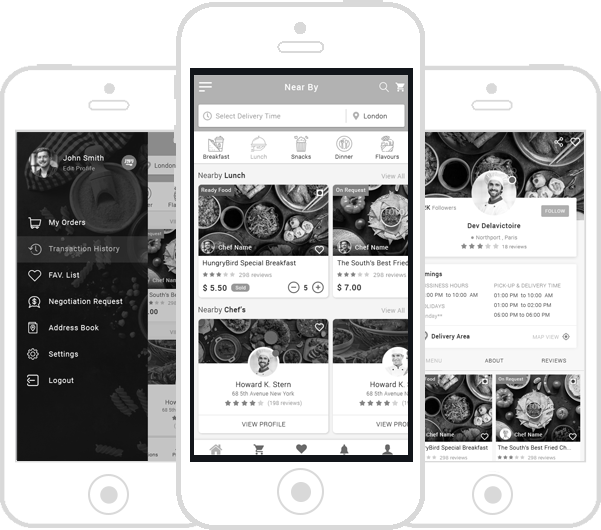
What Is a Doctor On Demand App?
A doctor on demand app is a telemedicine platform that allows patients to connect with doctors remotely through mobile devices. These apps provide instant access to healthcare professionals through video calls, messaging, or voice consultations.
Patients can search for doctors by specialty, view availability, book appointments, and receive medical advice without visiting a clinic. Doctors can provide consultations, diagnose conditions, and prescribe medications through the digital platform.
Doctor on demand apps are widely used for primary care consultations, mental health therapy, dermatology, general medical advice, and follow-up appointments. These platforms make healthcare more accessible, particularly for patients living in remote locations or those with mobility challenges.
Growing Demand for Doctor On Demand Apps
The global telemedicine market has grown significantly in recent years due to increasing smartphone adoption and the demand for remote healthcare services. Patients now prefer digital healthcare solutions that offer convenience and faster access to medical professionals.
Doctor on demand apps are particularly popular in countries such as the United States, United Kingdom, Canada, Australia, and the Middle East, where healthcare providers are rapidly adopting digital platforms to improve patient services.
Healthcare startups are also launching innovative telemedicine platforms that connect patients and doctors across regions, making healthcare more efficient and accessible.
Healthcare App Development Services for Telemedicine Platforms
Developing a successful doctor on demand app requires expertise in healthcare workflows, patient privacy regulations, and mobile technology. Our team provides complete Healthcare App Development Services that enable healthcare organizations to build scalable telemedicine platforms for global markets.
From mobile app design and backend architecture to secure video consultation integration and admin dashboard development, we deliver end-to-end development solutions tailored to the needs of healthcare providers and startups.
Key Benefits of Doctor On Demand Apps
Instant Access to Medical Professionals
Patients can connect with doctors instantly without scheduling traditional appointments or visiting clinics physically.
Improved Healthcare Accessibility
Telemedicine platforms provide healthcare access to patients in rural areas and regions with limited medical infrastructure.
Convenient Healthcare Experience
Patients can consult doctors from their homes, saving travel time and reducing waiting periods.
Efficient Healthcare Delivery
Doctors can manage consultations efficiently through digital platforms, allowing them to serve more patients.
Reduced Healthcare Costs
Virtual consultations often cost less than in-person visits, making healthcare more affordable.
Types of Doctor On Demand Apps
General Telemedicine Apps
These platforms allow patients to consult doctors for general medical issues, routine health concerns, and primary care consultations.
Mental Health Consultation Apps
Mental health apps connect patients with therapists, psychologists, and counselors for remote therapy sessions.
Specialist Consultation Platforms
Specialized platforms allow patients to consult dermatologists, pediatricians, cardiologists, and other specialists.
Healthcare Marketplace Apps
These platforms allow patients to compare multiple doctors and choose healthcare providers based on reviews, ratings, and availability.
Essential Features of a Doctor On Demand App
Patient Registration and Profiles
Patients can create secure accounts and store personal health information and medical records.
Doctor Search and Filtering
Users can search doctors by specialization, location, language, and availability.
Instant Consultation
Patients can connect with doctors through instant video or chat consultations.
Appointment Scheduling
The platform allows patients to schedule future consultations with healthcare providers.
Secure Video Consultation
Video conferencing enables real-time communication between doctors and patients.
Digital Prescriptions
Doctors can generate and share prescriptions directly through the mobile app.
Payment Gateway Integration
Patients can securely pay consultation fees through integrated payment systems.
Ratings and Reviews
Patients can provide feedback on doctor consultations, helping other users choose trusted healthcare providers.
Doctor On Demand App Features
A successful doctor on demand platform requires powerful features for patients, doctors, and administrators. These features ensure smooth communication, efficient appointment management, and secure healthcare service delivery.
| Platform | Key Features |
|---|---|
| Patient Mobile App |
|
| Doctor Mobile App |
|
| Admin Dashboard |
|
Patient App Features
- Doctor search
- Instant consultation
- Appointment booking
- Video call consultations
- Medical record management
- Online payments
Admin Panel Features
- User management
- Doctor verification
- Consultation analytics
- Revenue monitoring
- Appointment management
- Platform configuration
Popular Doctor On Demand Apps in the Market
Several telemedicine platforms have successfully implemented doctor on demand services and transformed how patients access healthcare. These apps demonstrate the growing demand for remote consultation platforms.
| Platform | Description |
|---|---|
| Teladoc | A leading telemedicine platform offering virtual consultations with licensed doctors and specialists. |
| Amwell | A digital healthcare platform providing online consultations, mental health therapy, and specialist care. |
| Doctor On Demand | A telehealth platform that connects patients with doctors, psychologists, and psychiatrists through video consultations. |
| Practo | A healthcare platform allowing patients to book doctor appointments and access telemedicine services. |
| Zocdoc | An online healthcare marketplace where patients can search doctors, read reviews, and book appointments. |
These platforms highlight the increasing global demand for digital healthcare solutions. Healthcare startups and medical organizations are investing in doctor on demand apps to improve accessibility and expand healthcare services.
Technology Stack for Doctor On Demand App Development
- Mobile Development: Flutter, React Native, Swift, Kotlin
- Backend Development: Node.js, Laravel, Django
- Database: PostgreSQL, MySQL, MongoDB
- Cloud Infrastructure: AWS, Azure, Google Cloud
- Video Communication APIs
- Secure Payment Gateway Integration
Healthcare Security and Compliance
Healthcare applications must follow strict privacy and data protection regulations. Doctor on demand platforms are designed with advanced security features including encryption, secure authentication, and compliance with healthcare data protection standards.
For healthcare platforms operating in the United States, HIPAA compliance ensures the protection of sensitive patient health information.
Doctor On Demand App Development Process
1. Requirement Analysis
Understanding healthcare workflows, business goals, and compliance requirements.
2. UI/UX Design
Designing intuitive interfaces for patients, doctors, and administrators.
3. Mobile App Development
Developing cross-platform applications compatible with Android and iOS devices.
4. Backend Development
Building scalable server infrastructure to manage consultations, user data, and scheduling.
5. Testing and Quality Assurance
Ensuring the platform is secure, reliable, and optimized for performance.
6. Deployment
Launching the app on cloud infrastructure and mobile app stores.
7. Maintenance and Support
Providing ongoing updates and technical support.
Use Cases of Doctor On Demand Apps
- Telemedicine platforms
- Online healthcare consultation services
- Healthcare startups launching digital health marketplaces
- Hospitals providing remote patient consultations
- Mental health therapy platforms
Future Trends in Doctor On Demand Apps
Artificial Intelligence for Health Diagnostics
AI-powered systems will help doctors diagnose conditions more efficiently through symptom analysis.
Wearable Device Integration
Integration with health tracking devices will allow doctors to monitor patient health in real time.
Voice-Based Healthcare Services
Voice assistants will enable patients to schedule consultations through voice commands.
Advanced Healthcare Analytics
Data analytics will help healthcare providers improve treatment outcomes and patient care.
Why Choose Developers App India
- Expert healthcare mobile app developers
- Secure and scalable telemedicine platforms
- HIPAA-compliant development practices
- Custom-built patient, doctor, and admin apps
- Global healthcare project experience
Doctor On Demand App Development Cost
The cost of developing a doctor on demand app depends on several factors including features, platform compatibility, security requirements, and integrations. Healthcare applications often require advanced features such as video consultations, patient record management, and compliance with healthcare data regulations.
| Development Component | Estimated Cost Range |
|---|---|
| UI/UX Design | $3,000 – $8,000 |
| Patient Mobile App Development | $10,000 – $25,000 |
| Doctor Mobile App Development | $8,000 – $20,000 |
| Admin Panel Development | $5,000 – $15,000 |
| Video Consultation Integration | $3,000 – $10,000 |
| Security and Compliance | $2,000 – $8,000 |
The total development cost typically ranges between $25,000 and $80,000 depending on the complexity of the telemedicine platform.
Doctor on demand mobile apps are revolutionizing healthcare by making medical consultations accessible anytime and anywhere. These platforms enable patients to receive professional medical advice instantly while allowing healthcare providers to expand their services digitally.
Healthcare startups, hospitals, and telemedicine companies can significantly improve patient engagement and healthcare delivery by investing in doctor on demand app development. With the right technology, security standards, and user-focused design, these digital health platforms can transform the future of healthcare.
Your choice of weapon
Build your Apps for any Platform
FAQ
What is a doctor on demand app?
A doctor on demand app allows patients to connect with doctors remotely through video consultations, chat, or phone calls using a mobile application.
How much does it cost to develop a doctor on demand app?
The cost depends on features, integrations, compliance requirements, and platform complexity.
How long does it take to build a doctor on demand app?
Development timelines typically range from 3 to 6 months depending on features and integrations.
Are doctor on demand apps secure?
Yes, these apps are developed with secure authentication, encryption, and healthcare compliance standards to protect patient data.
We to code. It's our passion




you can also reach us at our given
email address or phone number.