Health tracking apps are transforming how individuals monitor and manage their health and wellness. With the rapid adoption of smartphones, wearable devices, and digital health technologies, health tracking applications have become essential tools for people who want to monitor their physical activity, nutrition, sleep patterns, heart rate, and overall health metrics.
Health tracking app development allows healthcare startups, fitness companies, hospitals, and wellness platforms to create powerful digital solutions that help users track their health data in real time. These applications enable individuals to make informed decisions about their lifestyle, improve wellness habits, and monitor health conditions through continuous data collection.
Modern health tracking apps integrate with wearable devices, fitness trackers, smartwatches, and medical monitoring systems to collect real-time health data. These apps provide personalized insights, reminders, and recommendations that help users maintain healthier lifestyles and manage chronic conditions effectively.
Our health tracking app development services help healthcare organizations, wellness startups, fitness companies, and medical institutions build secure and scalable digital health monitoring platforms designed for global users.
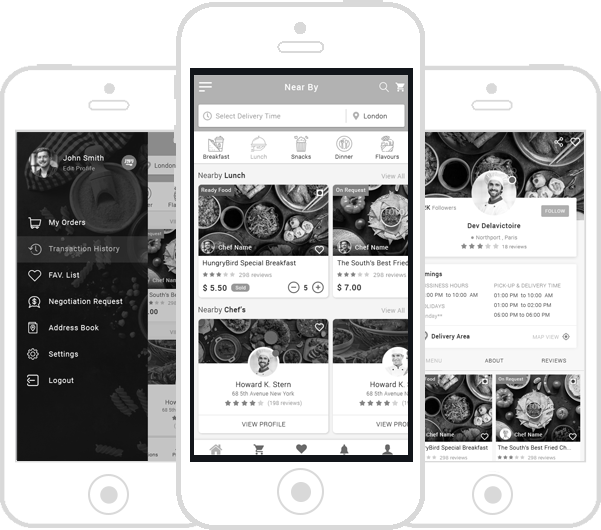
The Rise of Digital Health Tracking Applications
The digital health market has experienced significant growth in recent years as individuals become more proactive about their health. Health tracking apps empower users to take control of their health by providing insights into daily habits and physical activity.
Healthcare organizations and wellness companies are increasingly investing in health tracking app development to meet the growing demand for personalized healthcare solutions. These apps help individuals monitor their health continuously while allowing healthcare providers to analyze patient data for improved treatment outcomes.
If you are planning to build a comprehensive digital healthcare platform, our Healthcare App Development services provide end-to-end solutions for developing scalable healthcare applications that integrate health tracking, telemedicine, medical records, and remote monitoring capabilities.
By combining health tracking technologies with advanced analytics and wearable devices, healthcare platforms can offer personalized health insights that improve long-term health outcomes.
Key Features of Health Tracking Apps
Successful health tracking applications include a wide range of features designed to help users monitor and improve their health.
Activity Tracking
Users can track physical activities such as walking, running, cycling, and workouts. These features help individuals maintain active lifestyles.
Heart Rate Monitoring
Integration with wearable devices allows users to monitor heart rate and cardiovascular activity throughout the day.
Sleep Tracking
Health tracking apps analyze sleep patterns and provide insights that help users improve sleep quality.
Nutrition and Diet Tracking
Users can log meals and track calorie intake, nutrients, and dietary habits.
Hydration Monitoring
The app can send reminders to encourage users to drink water regularly.
Health Data Dashboard
A centralized dashboard displays key health metrics including activity levels, sleep patterns, and heart rate trends.
Health Reminders
Push notifications remind users to exercise, take medication, drink water, or complete health goals.
Goal Setting and Progress Tracking
Users can set personal fitness or health goals and monitor progress over time.
Types of Health Tracking Apps
Different types of health tracking applications serve different healthcare and wellness needs.
Fitness Tracking Apps
These apps monitor physical activities such as steps, workouts, and calories burned.
Chronic Disease Monitoring Apps
These apps help patients manage long-term conditions such as diabetes, hypertension, and heart disease.
Mental Health Tracking Apps
These apps help users track mood, stress levels, and mental health indicators.
Sleep Monitoring Apps
These apps analyze sleep cycles and provide recommendations for better sleep quality.
Comprehensive Health Monitoring Apps
These apps combine multiple features including activity tracking, nutrition monitoring, sleep analysis, and medical data tracking.
Benefits of Health Tracking Apps for Users
Health tracking applications empower individuals to monitor their health and make better lifestyle decisions.
- Improved awareness of personal health
- Better management of daily physical activity
- Early detection of health issues
- Motivation to maintain healthy habits
- Convenient monitoring of health metrics
By providing real-time health insights, these apps help users stay motivated and maintain healthier lifestyles.
Benefits for Healthcare Providers
Healthcare providers can leverage health tracking applications to monitor patient health remotely and improve treatment outcomes.
- Continuous monitoring of patient health data
- Improved patient engagement
- Better disease management
- Enhanced preventive healthcare
- Data-driven treatment decisions
These platforms allow doctors and healthcare professionals to track patient health trends and intervene early when necessary.
Technologies Used in Health Tracking App Development
Wearable Device Integration
Health tracking apps integrate with smartwatches, fitness bands, and medical devices to collect health data automatically.
Artificial Intelligence
AI algorithms analyze health data to provide personalized recommendations and predictive insights.
Cloud Computing
Cloud platforms enable secure storage and processing of large volumes of health data.
Internet of Things (IoT)
IoT devices allow continuous monitoring of health metrics such as heart rate, glucose levels, and activity levels.
Data Analytics
Healthcare analytics tools analyze health data to identify patterns and improve healthcare outcomes.
Security and Compliance in Health Tracking Apps
Health tracking apps must follow strict healthcare security standards to protect sensitive health information.
- HIPAA compliance for healthcare data protection
- GDPR compliance for European healthcare users
- HL7 and FHIR healthcare interoperability standards
- Secure data encryption and authentication systems
Implementing strong security measures ensures that user health data remains protected and compliant with global healthcare regulations.
Health Tracking App Development Process
Market Research and Planning
The development process begins with analyzing market needs, defining app features, and identifying target users.
UI/UX Design
User-friendly design ensures that health tracking apps are simple and engaging for users.
Mobile App Development
Health tracking apps are developed for both Android and iOS platforms to reach a global audience.
Backend Development
The backend infrastructure manages health data storage, analytics, and integrations.
Testing and Quality Assurance
Extensive testing ensures the application performs reliably across devices.
Deployment and Maintenance
After deployment, ongoing maintenance ensures continuous performance improvements and security updates.
Global Demand for Health Tracking Apps
The global digital health and wellness market continues to grow as individuals adopt technology to manage their health.
Countries with strong adoption of health tracking technologies include:
- United States
- United Kingdom
- Canada
- Australia
- Germany
- Singapore
- India
Healthcare providers and wellness companies worldwide are investing in health tracking technologies to improve preventive healthcare and patient engagement.
Why Choose Our Health Tracking App Development Services
- Experienced healthcare software developers
- Scalable and secure digital health platforms
- Integration with wearable devices and IoT systems
- HIPAA and GDPR compliant healthcare solutions
- Advanced AI-powered health analytics
- Custom healthcare software development services
Our team helps healthcare organizations build innovative health tracking applications that empower users to manage their health more effectively while enabling healthcare providers to deliver better care.
Popular Health Tracking Apps in the Market
The growing demand for digital health solutions has led to the success of many health tracking apps used by millions of people worldwide. These applications help users monitor physical activity, heart rate, sleep patterns, and overall health metrics.
Healthcare startups and fitness companies often analyze successful health tracking apps before developing their own platforms. Studying these applications provides valuable insights into essential features and user expectations.
| App Name | Key Features | Platform |
|---|---|---|
| Apple Health | Comprehensive health data tracking, wearable integration, health records | iOS |
| Google Fit | Activity tracking, step counting, heart rate monitoring | Android / Wear OS |
| MyFitnessPal | Calorie tracking, nutrition monitoring, fitness tracking | iOS / Android |
| Fitbit | Wearable device integration, sleep monitoring, heart rate tracking | iOS / Android |
| Samsung Health | Fitness tracking, sleep analysis, stress monitoring | Android |
These successful platforms demonstrate the potential of health tracking applications and highlight the importance of integrating wearable devices, personalized health insights, and intuitive user interfaces.
Health Tracking App Development Architecture
Building a scalable health tracking application requires a robust technology architecture that can securely manage large volumes of health data while supporting real-time monitoring.
Modern health tracking platforms use multi-layered architecture that includes mobile interfaces, backend infrastructure, analytics engines, and integrations with wearable devices.
Mobile Application Layer
The mobile interface allows users to track health metrics such as physical activity, heart rate, sleep patterns, and nutrition. This layer provides dashboards, charts, and notifications that help users understand their health data.
Wearable Device Integration
Health tracking apps integrate with wearable devices such as smartwatches, fitness trackers, and medical monitoring devices. These integrations enable automatic collection of health data.
Data Processing and Analytics Layer
Analytics engines process large volumes of health data and generate personalized insights for users. Artificial intelligence algorithms can detect patterns and recommend lifestyle improvements.
Cloud Infrastructure
Cloud platforms such as AWS, Microsoft Azure, and Google Cloud provide scalable infrastructure that stores health data securely while allowing access from multiple devices.
Security and Compliance Layer
Health applications require strong security frameworks including encryption, authentication systems, and compliance with healthcare standards such as HIPAA and GDPR.
This architecture ensures that health tracking apps remain secure, scalable, and capable of supporting millions of users worldwide.
Health Tracking App Development Cost
The cost of developing a health tracking application depends on various factors including platform complexity, feature requirements, wearable device integrations, and healthcare compliance standards.
Basic health tracking apps focus on fitness tracking and activity monitoring, while advanced applications include AI-powered analytics, wearable integrations, and remote health monitoring.
| Development Component | Estimated Cost |
|---|---|
| Mobile App Development | $15,000 – $40,000 |
| Backend Infrastructure | $10,000 – $30,000 |
| Admin Dashboard | $8,000 – $20,000 |
| Wearable Device Integration | $5,000 – $15,000 |
| AI Health Analytics | $5,000 – $20,000 |
| Cloud Infrastructure Setup | $3,000 – $10,000 |
The total cost of developing a health tracking application generally ranges between $40,000 and $150,000 depending on features, integrations, and system complexity.
Many startups begin with a minimum viable product (MVP) that includes core features such as activity tracking, health dashboards, and wearable device integration before expanding into advanced analytics and AI-powered health insights.
h2 tag
para
h2 tag
para
h2 tag
para
Your choice of weapon
Build your Apps for any Platform
Frequently Asked Questions
What is a health tracking app?
A health tracking app allows users to monitor various health metrics such as physical activity, sleep patterns, heart rate, and nutrition.
Can health tracking apps integrate with wearable devices?
Yes, health tracking apps can integrate with smartwatches, fitness trackers, and medical monitoring devices.
How long does it take to develop a health tracking app?
The development timeline typically ranges from 3 to 6 months depending on features and integrations.
Are health tracking apps secure?
Yes, healthcare applications follow security standards such as HIPAA and GDPR to ensure user data privacy and protection.
How much does health tracking app development cost?
The cost can range between $25,000 and $120,000 depending on platform complexity, integrations, and features.
We to code. It's our passion








you can also reach us at our given
email address or phone number.