Healthcare organizations rely heavily on digital platforms to manage operations, monitor patient data, coordinate medical staff, and ensure regulatory compliance. A Healthcare Admin Dashboard serves as the central control panel that enables administrators, hospital managers, and healthcare providers to manage all aspects of a healthcare platform efficiently.
Healthcare Admin Dashboard Development focuses on building a secure and scalable management interface that integrates with healthcare mobile apps, telemedicine systems, hospital management platforms, and electronic health records. These dashboards provide real-time visibility into patient data, appointments, billing, analytics, and healthcare workflows.
Modern healthcare organizations require intelligent dashboards that simplify complex operations and provide actionable insights. A well-designed admin dashboard improves decision-making, operational efficiency, and patient care delivery.
Our team provides advanced healthcare dashboard solutions as part of our Healthcare App Development Company services. We develop powerful admin panels that allow healthcare organizations to monitor patients, manage doctors, track system performance, and maintain secure healthcare data management.
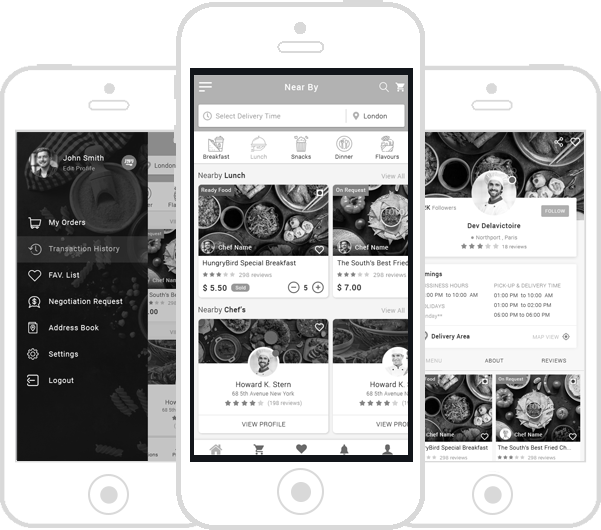
What is a Healthcare Admin Dashboard?
A Healthcare Admin Dashboard is a centralized management system that allows healthcare administrators to control and monitor digital healthcare platforms. It acts as the backend control center for healthcare mobile applications, hospital systems, telemedicine platforms, and patient management solutions.
This dashboard enables administrators to manage patient records, doctor profiles, appointment scheduling, billing systems, medical data analytics, and healthcare compliance requirements.
Core Functions of Healthcare Admin Dashboards
- Patient management and health record monitoring
- Doctor and staff management
- Appointment scheduling and management
- Healthcare analytics and reporting
- Billing and payment management
- Telemedicine session monitoring
- Medical device and IoT integration
- System security and compliance management
Healthcare admin dashboards help healthcare organizations manage complex healthcare operations efficiently through a centralized digital interface.
Importance of Admin Dashboards in Healthcare Systems
The healthcare industry generates vast amounts of data daily. Without a centralized dashboard, managing this data can be extremely challenging. Admin dashboards provide a structured way to monitor healthcare activities, improve patient care, and streamline hospital operations.
Centralized Healthcare Management
Admin dashboards provide a unified platform where healthcare administrators can manage multiple departments, healthcare professionals, and patient records from a single interface.
Real-Time Data Monitoring
Healthcare dashboards provide real-time insights into patient data, appointment trends, system performance, and operational metrics.
Improved Decision Making
Healthcare analytics dashboards enable administrators to analyze healthcare trends and make data-driven decisions to improve operational efficiency.
Enhanced Data Security
Healthcare dashboards implement strict security controls to protect sensitive patient data and ensure regulatory compliance.
Operational Efficiency
By automating workflows and monitoring healthcare operations, admin dashboards help healthcare organizations improve productivity.
Key Features of Healthcare Admin Dashboard Development
Patient Management System
Healthcare administrators can view, update, and manage patient profiles, medical records, appointment history, and treatment plans.
- Patient registration and profile management
- Electronic health record access
- Medical history tracking
- Health data monitoring
Doctor Management System
The dashboard allows administrators to manage doctor profiles, schedules, availability, and performance metrics.
- Doctor registration and verification
- Schedule management
- Consultation tracking
- Performance analytics
Appointment Management
Administrators can monitor and manage patient appointments across healthcare facilities.
- Appointment scheduling
- Rescheduling and cancellation management
- Doctor availability tracking
- Appointment analytics
Telemedicine Management
Admin dashboards allow healthcare organizations to manage telemedicine consultations and virtual healthcare services.
- Video consultation monitoring
- Telemedicine session management
- Doctor availability management
- Consultation analytics
Billing and Payment Management
Healthcare administrators can manage billing systems and track payments through the dashboard.
- Invoice management
- Payment tracking
- Insurance claims management
- Financial reporting
Analytics and Reporting
Healthcare dashboards provide powerful analytics tools that help administrators analyze operational performance.
- Patient analytics
- Doctor performance analytics
- Revenue reports
- Healthcare service utilization reports
Advanced Features of Healthcare Admin Dashboards
AI-Powered Healthcare Analytics
Artificial intelligence can analyze healthcare data and provide predictive insights to improve healthcare operations.
- Predictive patient risk analysis
- Disease trend analysis
- Operational performance prediction
- Healthcare demand forecasting
IoT Medical Device Integration
Admin dashboards can integrate with wearable devices and medical sensors to monitor patient health metrics.
- Heart rate monitoring
- Blood pressure tracking
- Glucose monitoring
- Oxygen level tracking
Role-Based Access Control
Healthcare dashboards implement access control systems to ensure only authorized users can access sensitive healthcare data.
- Admin access controls
- Doctor access levels
- Nurse access permissions
- System audit logs
Compliance and Security Management
Healthcare admin dashboards must comply with global healthcare regulations and data protection standards.
- HIPAA compliance
- GDPR compliance
- Data encryption
- Secure authentication systems
Types of Healthcare Admin Dashboards
Hospital Management Dashboards
These dashboards help hospitals manage patient records, staff operations, and healthcare workflows.
Telemedicine Platform Dashboards
Telemedicine dashboards manage virtual consultations, patient appointments, and telehealth services.
Medical Practice Management Dashboards
These dashboards are designed for clinics and medical practices to manage patient visits and doctor schedules.
Healthcare Analytics Dashboards
Analytics dashboards help healthcare organizations analyze patient data, operational trends, and financial performance.
Technology Stack for Healthcare Admin Dashboard Development
Frontend Development
- React.js
- Vue.js
- Angular
- HTML5 and CSS3
Backend Development
- Laravel
- Node.js
- Python
- Java Spring Boot
Database Technologies
- MySQL
- PostgreSQL
- MongoDB
Cloud Infrastructure
- AWS
- Microsoft Azure
- Google Cloud
Healthcare Data Standards
- FHIR interoperability
- HL7 healthcare standards
- DICOM imaging standards
Healthcare Admin Dashboard Development Process
Requirement Analysis
The development process begins with understanding healthcare workflows, compliance requirements, and operational needs.
UI/UX Design
Designing intuitive dashboards that allow administrators to easily manage healthcare systems.
Backend Architecture Development
Building scalable backend systems to handle healthcare data processing and integrations.
System Integration
Integrating the dashboard with healthcare mobile apps, EHR systems, telemedicine platforms, and wearable devices.
Testing and Security Validation
Ensuring the system meets healthcare security standards and performs reliably.
Deployment
Deploying the healthcare dashboard on secure cloud infrastructure.
Maintenance and Updates
Providing ongoing support, updates, and performance monitoring.
Cost of Healthcare Admin Dashboard Development
| Dashboard Type | Estimated Cost |
|---|---|
| Basic Healthcare Admin Dashboard | $15,000 – $30,000 |
| Advanced Healthcare Dashboard | $30,000 – $60,000 |
| Enterprise Healthcare Management Platform | $60,000 – $120,000+ |
Future Trends in Healthcare Dashboard Technology
- AI-powered healthcare analytics dashboards
- Real-time patient monitoring dashboards
- Blockchain-based medical data security
- Predictive healthcare analytics
- IoT-enabled healthcare dashboards
Healthcare dashboards will continue to evolve as digital health technologies become more advanced and healthcare systems adopt intelligent data-driven platforms.
Why Choose Our Healthcare Admin Dashboard Development Services?
- Expert healthcare software developers
- HIPAA and GDPR compliant development
- Scalable cloud-based healthcare platforms
- Advanced healthcare analytics dashboards
- Integration with EHR and telemedicine systems
- Secure healthcare data management
- Custom dashboards for hospitals and healthcare startups
Our development team builds powerful healthcare admin dashboards that enable organizations to manage healthcare systems efficiently while improving patient care delivery.
Healthcare Analytics Dashboard Market Size, Growth Trends, and Industry Statistics
The healthcare industry is undergoing rapid digital transformation, with hospitals, clinics, and healthcare organizations increasingly relying on data-driven management systems. Healthcare admin dashboards play a critical role in enabling healthcare administrators to monitor operational performance, patient outcomes, and financial metrics from a centralized platform.
The adoption of healthcare analytics dashboards has grown significantly as healthcare providers seek real-time insights to improve clinical decision-making, operational efficiency, and patient care delivery.
Global Healthcare Analytics Market Growth
| Year | Market Size |
|---|---|
| 2022 | $30 Billion |
| 2024 | $42 Billion |
| 2027 (Projected) | $75 Billion+ |
| 2030 (Projected) | $120 Billion+ |
Key Healthcare Dashboard Adoption Statistics
- More than 85% of hospitals now use digital healthcare dashboards to monitor patient data and hospital operations.
- Healthcare analytics platforms have reduced hospital operational costs by up to 25%.
- Nearly 70% of healthcare executives rely on real-time dashboards for clinical and operational decision-making.
- Healthcare data generation is growing at a rate of 48% per year.
- Hospitals using predictive analytics dashboards have improved patient outcomes by 30%.
Key Drivers Behind Healthcare Dashboard Adoption
- Rapid growth of digital healthcare platforms
- Increasing demand for real-time healthcare analytics
- Expansion of telemedicine services
- Growing healthcare data volumes
- Need for improved hospital resource management
Healthcare dashboards are becoming essential for modern healthcare systems because they transform complex healthcare data into actionable insights.
Top Healthcare Management Dashboards Used by Hospitals and Healthcare Organizations
Hospitals and healthcare providers worldwide rely on advanced healthcare management dashboards to streamline clinical workflows, monitor patient data, and optimize hospital operations. These dashboards integrate with electronic health records, hospital management systems, and telemedicine platforms to provide real-time healthcare insights.
Popular Healthcare Dashboard Platforms
| Platform | Key Features | Used By |
|---|---|---|
| Tableau Healthcare Analytics | Advanced data visualization and healthcare reporting | Hospitals and healthcare networks |
| Microsoft Power BI Healthcare Dashboards | Healthcare analytics and operational insights | Healthcare administrators |
| Epic Systems Analytics Dashboard | Integrated EHR analytics and patient monitoring | Large hospital systems |
| Cerner HealtheAnalytics | Clinical data analytics and population health insights | Healthcare providers |
| Qlik Healthcare Analytics | Healthcare data integration and predictive analytics | Healthcare organizations |
Why Hospitals Use Healthcare Admin Dashboards
- Monitor hospital operations in real time
- Track patient admissions and discharge rates
- Improve healthcare resource allocation
- Analyze clinical performance metrics
- Enhance healthcare decision making
Modern healthcare dashboards combine data visualization, AI-powered analytics, and real-time reporting to provide hospital administrators with actionable insights.
Complete Feature List for Healthcare Admin Dashboards (Hospital Systems, Telemedicine Platforms, and Healthcare Apps)
A powerful healthcare admin dashboard must support a wide range of operational, clinical, and administrative features. These dashboards act as the central management system for digital healthcare platforms.
Patient Management Features
- Patient registration and profile management
- Electronic health record access
- Patient health history tracking
- Medical document management
- Patient communication tools
- Remote patient monitoring integration
- Patient health analytics
Doctor and Staff Management Features
- Doctor profile management
- Medical staff scheduling
- Doctor availability management
- Performance tracking and analytics
- Credential verification
- Workforce productivity reports
Appointment and Telemedicine Management
- Appointment scheduling system
- Appointment rescheduling and cancellations
- Telemedicine video consultation monitoring
- Virtual clinic management
- Doctor availability calendar
- Consultation analytics
Healthcare Financial Management Features
- Billing and invoicing management
- Insurance claim processing
- Payment gateway integration
- Revenue analytics dashboards
- Financial reporting
- Subscription management for digital health services
Healthcare Analytics Dashboard Features
- Patient admission analytics
- Hospital bed occupancy monitoring
- Clinical performance analytics
- Healthcare service utilization reports
- Population health analytics
- Predictive healthcare analytics
Security and Compliance Features
- HIPAA compliance management
- GDPR compliance monitoring
- Role-based access control
- Two-factor authentication
- Audit logs and security tracking
- Healthcare data encryption
By implementing these advanced features, healthcare organizations can build powerful admin dashboards that enable efficient healthcare management and improve patient care delivery.
h2 tag
para
h2 tag
para
h2 tag
para
Your choice of weapon
Build your Apps for any Platform
Frequently Asked Questions
What is a healthcare admin dashboard?
A healthcare admin dashboard is a centralized system that allows administrators to manage patient records, appointments, doctors, billing systems, and healthcare analytics.
Why do healthcare organizations need admin dashboards?
Admin dashboards help healthcare organizations manage operations efficiently, monitor patient data, and improve decision making.
Are healthcare dashboards secure?
Yes, healthcare dashboards follow strict security standards such as HIPAA compliance, data encryption, and secure authentication.
Can healthcare dashboards integrate with EHR systems?
Yes, healthcare dashboards can integrate with Electronic Health Records systems using interoperability standards like HL7 and FHIR.
How long does it take to develop a healthcare admin dashboard?
Development typically takes between 3 to 6 months depending on features and integrations.
We to code. It's our passion





you can also reach us at our given
email address or phone number.