The healthcare industry in the United Arab Emirates (UAE) is undergoing rapid digital transformation as hospitals, clinics, healthcare startups, and government organizations adopt advanced digital technologies to improve patient care and streamline healthcare operations. Healthcare mobile applications have become an essential part of modern healthcare systems, enabling patients and medical professionals to connect through secure digital platforms.
Healthcare in the UAE is rapidly evolving, with leading clinics adopting digital solutions to enhance patient experience. Recent trends like the rise of Nova Clinic highlight how premium healthcare providers are going digital. Learn more in our detailed analysis of why Nova Clinic UAE is trending and what it means for clinics in Dubai.
Healthcare App Development in the UAE focuses on building innovative digital health platforms that support telemedicine consultations, remote patient monitoring, electronic health record systems, hospital management solutions, and AI-powered healthcare analytics. These applications improve healthcare accessibility, enhance patient engagement, and optimize medical workflows.
Healthcare providers across the UAE are investing heavily in digital health technologies to meet the growing demand for convenient and efficient healthcare services. Mobile healthcare apps allow patients to book appointments, consult doctors remotely, track their health conditions, and manage prescriptions easily.
Many healthcare organizations partner with experienced development teams or choose to Hire Healthcare App Developers who understand healthcare regulations, patient data security standards, and modern digital health technologies required for successful healthcare platforms.
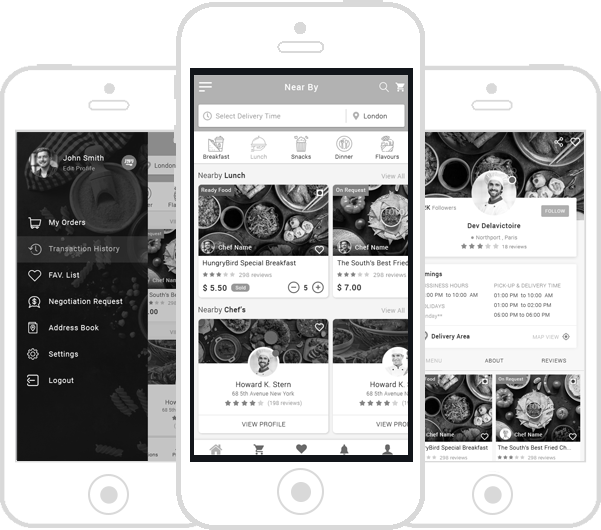
Overview of Digital Healthcare in the UAE
The UAE has emerged as one of the leading countries in the Middle East for digital healthcare innovation. Government initiatives, smart city programs, and investments in healthcare infrastructure have accelerated the adoption of healthcare technologies across the region.
Digital healthcare solutions such as telemedicine platforms, patient portals, and healthcare mobile apps are helping healthcare providers deliver faster, more efficient, and more accessible healthcare services.
Major Digital Healthcare Initiatives in the UAE
- UAE Vision 2031 healthcare innovation programs
- Smart hospital initiatives
- National telehealth expansion programs
- Electronic health record systems
- AI-powered healthcare analytics initiatives
These initiatives highlight the UAE government's commitment to building a world-class healthcare system powered by digital technologies.
What is Healthcare App Development?
Healthcare app development involves designing and building digital applications that allow healthcare providers, patients, and healthcare organizations to interact through secure mobile or web platforms. These applications help streamline healthcare workflows, manage patient data, provide telemedicine consultations, and enable remote patient monitoring.
Healthcare applications can be developed for mobile devices, web platforms, tablets, and integrated hospital management systems.
Types of Healthcare Applications
- Telemedicine consultation apps
- Hospital management systems
- Electronic health record applications
- Remote patient monitoring platforms
- Medical appointment booking apps
- Prescription management apps
- Healthcare analytics platforms
- Fitness and wellness applications
These digital healthcare solutions help healthcare providers improve operational efficiency while offering convenient healthcare services to patients.
Benefits of Healthcare Apps for UAE Healthcare Providers
Improved Healthcare Accessibility
Healthcare apps allow patients to consult doctors remotely through telemedicine platforms, making healthcare services accessible to individuals across cities and remote areas.
Efficient Healthcare Management
Digital healthcare platforms streamline hospital operations by automating patient management, appointment scheduling, and administrative workflows.
Better Patient Engagement
Healthcare apps enable patients to actively manage their health by tracking medical data, managing prescriptions, and communicating with healthcare providers.
Remote Patient Monitoring
Medical professionals can monitor patient health metrics remotely using connected medical devices and wearable health technology.
Reduced Healthcare Costs
Digital healthcare solutions reduce operational costs while improving healthcare efficiency.
Key Features of Healthcare Applications
Patient Registration and Profile Management
- User registration and authentication
- Patient profile management
- Medical history tracking
- Secure patient data storage
Appointment Scheduling
- Online appointment booking
- Doctor availability calendars
- Automated appointment reminders
- Appointment rescheduling and cancellation
Telemedicine Consultations
- Video consultations
- Voice consultations
- Secure messaging with doctors
- Virtual healthcare visits
Electronic Health Records
- Medical document management
- Health report storage
- Prescription tracking
- Health data sharing
Remote Patient Monitoring
- Heart rate monitoring
- Blood pressure tracking
- Wearable device integration
- Real-time health alerts
Payment and Billing Systems
- Secure payment gateways
- Insurance claim processing
- Invoice management
- Financial reporting
Advanced Technologies Used in Healthcare App Development
Artificial Intelligence
AI technologies allow healthcare applications to analyze medical data, detect disease patterns, and provide predictive healthcare insights.
- AI-powered diagnostics
- Predictive healthcare analytics
- Medical image analysis
Internet of Medical Things (IoMT)
IoMT connects healthcare apps with wearable medical devices to collect patient health data in real time.
- Remote patient monitoring
- Wearable health device integration
- Medical sensor connectivity
Blockchain Technology
Blockchain technology improves healthcare data security by creating tamper-proof medical record systems.
Cloud Computing
Cloud infrastructure enables healthcare applications to securely store and process large volumes of medical data while maintaining scalability.
Healthcare Compliance Requirements in the UAE
Healthcare applications developed for the UAE must comply with strict healthcare regulations and patient data protection standards.
UAE Health Data Law
The UAE Health Data Law governs how healthcare organizations collect, process, and store patient data.
DHA and MOH Regulations
Healthcare applications must follow guidelines established by the Dubai Health Authority (DHA) and the Ministry of Health and Prevention (MOH).
Patient Data Privacy
Healthcare platforms must implement strong encryption, authentication systems, and secure cloud infrastructure to protect patient data.
HIPAA-Level Security Standards
Many healthcare platforms adopt international security standards similar to HIPAA to ensure strong data protection.
Healthcare App Development Process
Requirement Analysis
The development process begins with understanding healthcare workflows, regulatory requirements, and project goals.
UI/UX Design
Designing intuitive interfaces that enhance usability for both patients and healthcare providers.
Development
Building mobile apps, backend systems, APIs, and system integrations.
Testing and Compliance Validation
Ensuring the application meets security, performance, and healthcare compliance requirements.
Deployment
Launching the application on secure cloud infrastructure.
Maintenance and Updates
Providing continuous monitoring, updates, and technical support.
Technology Stack for Healthcare App Development
Mobile Development
- Flutter
- React Native
- Swift
- Kotlin
Backend Development
- Laravel
- Node.js
- Python
- Java
Database Technologies
- MySQL
- PostgreSQL
- MongoDB
Cloud Infrastructure
- AWS
- Microsoft Azure
- Google Cloud
Cost of Healthcare App Development in the UAE
| Development Type | Estimated Cost |
|---|---|
| Basic Healthcare App | $20,000 – $50,000 |
| Advanced Healthcare Platform | $50,000 – $120,000 |
| Enterprise Healthcare Ecosystem | $120,000 – $250,000+ |
Future of Digital Healthcare in the UAE
- AI-powered healthcare platforms
- Remote patient monitoring technologies
- Blockchain-secured medical records
- Telehealth expansion
- Smart hospital infrastructure
Healthcare technology will continue to evolve in the UAE as healthcare providers adopt digital platforms that improve patient outcomes and healthcare accessibility.
Why Choose Our Healthcare App Development Services?
- Experienced healthcare software developers
- HIPAA and UAE data compliance expertise
- Scalable cloud-based healthcare systems
- AI-powered healthcare analytics
- Secure patient data management
- Custom healthcare application development
Our development team helps healthcare organizations build innovative digital health platforms that improve healthcare delivery and patient engagement.
UAE Digital Health Market Size, Growth Trends, and Healthcare Technology Statistics
The United Arab Emirates is rapidly becoming one of the most advanced healthcare technology markets in the Middle East. With strong government support, smart city initiatives, and large investments in healthcare infrastructure, the UAE is adopting digital health platforms at a fast pace.
Healthcare mobile applications, telemedicine platforms, and hospital management systems are helping healthcare providers improve operational efficiency while making healthcare services more accessible for patients.
UAE Digital Health Market Growth
| Year | Market Size |
|---|---|
| 2022 | $1.8 Billion |
| 2024 | $2.9 Billion |
| 2027 (Projected) | $5.6 Billion+ |
| 2030 (Projected) | $9 Billion+ |
Key Healthcare Technology Statistics in the UAE
- Over 75% of hospitals in the UAE now use digital healthcare platforms.
- Telemedicine consultations increased by more than 250% after the expansion of digital healthcare services.
- Nearly 60% of UAE residents use healthcare apps to access medical services.
- Smart hospital initiatives have reduced hospital administrative workload by nearly 30%.
- The adoption of wearable health devices in the UAE is growing at a rate of 18% annually.
Key Drivers of Healthcare App Development in the UAE
- Government investment in digital healthcare infrastructure
- Growth of telemedicine and virtual healthcare services
- Expansion of smart hospitals and AI-powered healthcare systems
- Rising demand for convenient digital healthcare services
- Rapid adoption of wearable medical devices and remote monitoring systems
As digital healthcare continues to expand across the UAE, healthcare organizations are investing in advanced healthcare applications that improve patient engagement, healthcare accessibility, and medical workflow efficiency.
Top Healthcare Apps and Digital Health Platforms Used in the UAE
Healthcare providers across the UAE rely on advanced healthcare applications and digital health platforms to deliver efficient medical services. These platforms demonstrate how mobile healthcare technologies are transforming the healthcare ecosystem across the Middle East.
Popular Healthcare Platforms in the UAE
| Platform | Key Features | Used By |
|---|---|---|
| Seha App | Virtual doctor consultations and appointment booking | UAE Ministry of Health patients |
| DHA App | Healthcare services, appointment scheduling, health records | Dubai residents |
| Okadoc | Doctor discovery and appointment booking platform | Patients and healthcare providers |
| HealthHub | Telemedicine services and medical consultations | Healthcare providers and patients |
| MyChart UAE | Patient portal and electronic health record access | Hospitals and clinics |
Benefits of Healthcare Apps for UAE Healthcare Providers
- Faster patient consultations through telemedicine platforms
- Improved healthcare accessibility for residents and tourists
- Efficient patient data management
- Better communication between patients and doctors
- Reduced hospital waiting times
These platforms illustrate how healthcare mobile applications are improving healthcare accessibility and operational efficiency across the UAE.
Complete Feature List for Healthcare Apps (Patient App, Doctor Portal, and Healthcare Admin Dashboard)
Modern healthcare applications typically include multiple integrated modules that work together to deliver a seamless healthcare experience. These modules include a patient mobile app, a doctor portal, and an administrative dashboard used by healthcare organizations.
Patient Mobile App Features
- User registration and profile management
- Doctor search and appointment booking
- Telemedicine video consultations
- Electronic health record access
- Prescription and medication management
- Health report tracking
- Remote patient monitoring integration
- Secure messaging with healthcare providers
Doctor Portal Features
- Doctor profile management
- Appointment scheduling and management
- Patient medical record access
- Video consultation tools
- Digital prescription generation
- Consultation history tracking
- Patient communication tools
Healthcare Admin Dashboard Features
- User and doctor account management
- Appointment monitoring and analytics
- Healthcare data analytics dashboards
- Billing and payment management
- Insurance claim processing
- Compliance monitoring and reporting
- Role-based access control
- System performance monitoring
Advanced Features for Modern Healthcare Platforms
- AI-powered healthcare analytics
- IoT medical device integration
- Blockchain-based medical record security
- Predictive healthcare insights
- Population health analytics
By implementing these advanced features, healthcare organizations in the UAE can build powerful healthcare applications that improve patient care while enabling efficient healthcare management.
h2 tag
para
h2 tag
para
Your choice of weapon
Build your Apps for any Platform
Frequently Asked Questions
What is healthcare app development?
Healthcare app development involves building digital applications that allow healthcare providers and patients to interact through secure mobile or web platforms.
How much does healthcare app development cost in the UAE?
Healthcare app development in the UAE typically costs between $20,000 and $250,000 depending on the complexity and features of the platform.
Are healthcare apps secure?
Yes. Healthcare applications use strong encryption, authentication systems, and compliance frameworks to protect patient data.
Can healthcare apps integrate with hospital systems?
Yes. Healthcare apps can integrate with hospital management systems, electronic health records, and wearable medical devices.
How long does it take to build a healthcare app?
Healthcare app development typically takes between 4 and 9 months depending on the project scope and complexity.
We to code. It's our passion








you can also reach us at our given
email address or phone number.