The global education ecosystem has transformed dramatically over the past decade. Schools, universities, coaching institutes, corporate training organizations, and government bodies are moving toward digital-first learning models. Students now expect seamless mobile access to lectures, assignments, results, attendance, communication tools, and performance analytics — all from a single unified application.
An LMS Student App is no longer optional. It is a strategic digital infrastructure investment that improves engagement, operational efficiency, academic performance tracking, and long-term scalability.
At Developers App India, we design and build enterprise-grade learning platforms tailored for global education markets. As a trusted LMS App Development company, we deliver secure, scalable, and feature-rich LMS student applications aligned with international compliance standards and modern digital learning expectations.
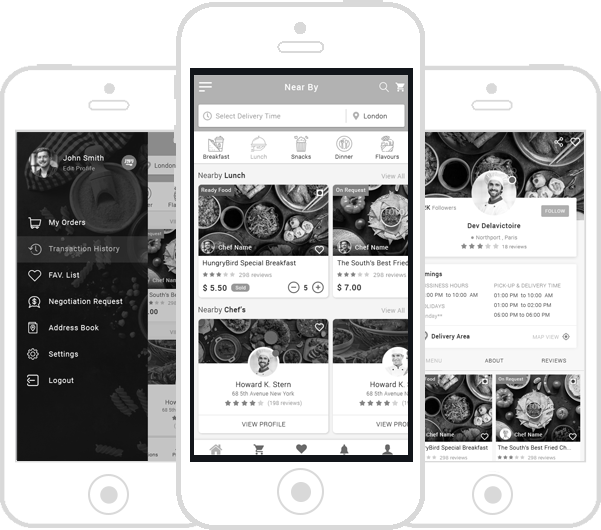
What is an LMS Student App?
An LMS (Learning Management System) Student App is a mobile-first learning platform that allows students to access academic resources, attend live classes, submit assignments, track progress, communicate with teachers, and receive exam results — all within a centralized digital environment.
Unlike basic eLearning portals, enterprise LMS student apps include:
- Real-time performance analytics
- Secure examination systems
- Parent and faculty dashboards
- Integrated payment systems
- Attendance automation
- AI-driven learning recommendations
- Multi-device compatibility
Why LMS Student Apps Are Critical in 2026 and Beyond
Education institutions worldwide are facing increasing demands for:
- Hybrid learning environments
- Digital examination systems
- Transparent result publishing
- Remote access to study materials
- Automated administrative processes
- Data-driven academic decision-making
Students expect Netflix-like user experiences — fast, interactive, mobile-friendly, and personalized.
Institutions expect reduced paperwork, automated workflows, and centralized academic control.
An enterprise LMS student app bridges this gap.
Types of LMS Student Applications We Develop
1. School LMS Apps
For K-12 institutions with attendance tracking, homework modules, parent dashboards, and fee management.
2. University LMS Platforms
Enterprise-level systems supporting thousands of students, course modules, exam engines, and credit tracking.
3. Coaching & Test Prep LMS Apps
Ideal for competitive exam preparation institutes with live streaming, recorded lectures, and mock test systems.
4. Corporate Training LMS
Used by enterprises to deliver onboarding programs, compliance training, and skill development modules.
5. Government & Public Education LMS
Secure, large-scale systems supporting statewide or national education programs.
Core Features of an LMS Student App
| Module | Functionality | Business Benefit |
|---|---|---|
| Student Dashboard | Overview of courses, progress, attendance | Centralized access |
| Live Classes | Video conferencing integration | Hybrid learning support |
| Assignment Submission | File uploads, grading system | Automated workflow |
| Exam & Quiz Module | MCQ, subjective, timed tests | Secure assessment |
| Result Publishing | Grade sheets & analytics | Transparency |
| Attendance Tracking | Automated digital records | Administrative efficiency |
| Push Notifications | Class reminders & announcements | Improved engagement |
| Payment Integration | Fee payments & receipts | Financial automation |
Advanced Enterprise Features
- AI-based learning recommendations
- Performance analytics dashboard
- Predictive dropout detection
- Gamification & badges
- Multi-language interface
- Offline content download
- Role-based access control
- Cloud auto-scaling architecture
Technology Architecture for LMS Student Apps
Mobile Development
- Flutter (Cross-platform)
- React Native
- Swift (iOS Native)
- Kotlin (Android Native)
Backend Infrastructure
- Laravel
- Node.js
- Microservices architecture
- REST & GraphQL APIs
Cloud & Hosting
- AWS
- Azure
- Google Cloud
- CDN for content delivery
We implement scalable database architecture with redundancy and auto-scaling to support institutions with thousands or even millions of learners.
Security & Compliance
Education platforms handle sensitive student data. Security is non-negotiable.
- End-to-end encryption
- Role-based access control
- GDPR compliance (UK/EU)
- FERPA-aligned architecture (US)
- Secure cloud storage
- Two-factor authentication
- Audit logs & monitoring
Scalability Planning for Large Institutions
Universities and public education boards may require:
- 100,000+ concurrent users
- Mass result publishing at once
- Simultaneous online exams
- Video streaming bandwidth management
Our architecture includes:
- Load balancing
- Auto-scaling servers
- Database replication
- Cloud monitoring dashboards
- Performance optimization tools
Monetization Models for LMS Platforms
| Model | Best For | Revenue Potential |
|---|---|---|
| Subscription | Online academies | High recurring |
| Course Marketplace | Edu startups | Very High |
| Institution Licensing | Schools & Universities | Stable long-term |
| Certification Fees | Skill-based courses | Medium to High |
Estimated Development Cost
| App Complexity | Estimated Cost | Timeline |
|---|---|---|
| Basic School LMS | $9,000 – $18,000 | 8–12 Weeks |
| University-Level Platform | $20,000 – $45,000 | 12–20 Weeks |
| Enterprise AI-Integrated LMS | $40,000 – $80,000+ | 16–28 Weeks |
Final pricing depends on user volume, integrations, hosting, and compliance requirements.
ROI Example Calculation
| Metric | Example |
|---|---|
| Students Enrolled | 5,000 |
| Monthly Subscription | $20 |
| Monthly Revenue | $100,000 |
An LMS platform can recover its development investment within 6–12 months when structured correctly.
Our Development Process
Step 1: Free Strategy Consultation
Requirement analysis and roadmap planning.
Step 2: Wireframe & UI Planning
Interactive screens before development begins.
Step 3: SRS & Documentation
Detailed functional specification document.
Step 4: Agile Development
Milestone-based delivery with regular updates.
Step 5: Testing & Deployment
Load testing, security audits, performance optimization.
Benefits of Hiring Dedicated Offshore Mobile Developers
- Reduced Recruitment Overhead
- Long-Term Product Stability
- Better Technical Continuity
- Higher Productivity & Focus
- Scalable Team Expansion
- Ongoing Maintenance & Support
Global Markets We Serve
- United States
- United Kingdom
- Australia
- UAE
- Canada
Why Choose Developers App India
- Enterprise-grade architecture
- Education domain expertise
- Transparent milestone model
- Admin panel specialization
- AI & analytics integration
- Post-launch maintenance support
Your choice of weapon
Build your Apps for any Platform
Frequently Asked Questions
How long does it take to develop an LMS student app?
Typically 8–28 weeks depending on complexity and integrations.
Can the LMS support live video classes?
Yes, we integrate Zoom, WebRTC, or custom streaming solutions.
Is student data secure?
Yes, we implement encrypted storage, secure APIs, and role-based access control.
Can the platform handle large-scale institutions?
Yes, we design scalable cloud infrastructure capable of supporting thousands of concurrent users.
Do you provide post-launch support?
Yes, ongoing updates, maintenance, and scaling services are available.
Let’s Build Your LMS Student App
If you are planning to launch a scalable, secure, and revenue-driven LMS student platform, our team is ready to help you design and deploy a world-class solution.
Email: [email protected]
WhatsApp: +91 9586 979730
Transform digital education into a scalable learning ecosystem.
We to code. It's our passion








you can also reach us at our given
email address or phone number.