Modern mobile applications do not operate in isolation. They rely on a complex ecosystem of APIs, enterprise systems, cloud platforms, third-party services, and data sources to deliver seamless user experiences. Mobile app integration services focus on connecting these systems reliably, securely, and efficiently to ensure smooth data flow and consistent functionality.
Whether it is integrating payment gateways, CRMs, ERPs, analytics platforms, IoT systems, or legacy software, integration is the backbone of scalable mobile solutions. Poor integrations lead to data inconsistencies, performance issues, security vulnerabilities, and operational bottlenecks.
As part of our comprehensive Mobile app development services, we help businesses design and implement robust mobile app integrations that support real-time data exchange, automation, and long-term scalability.
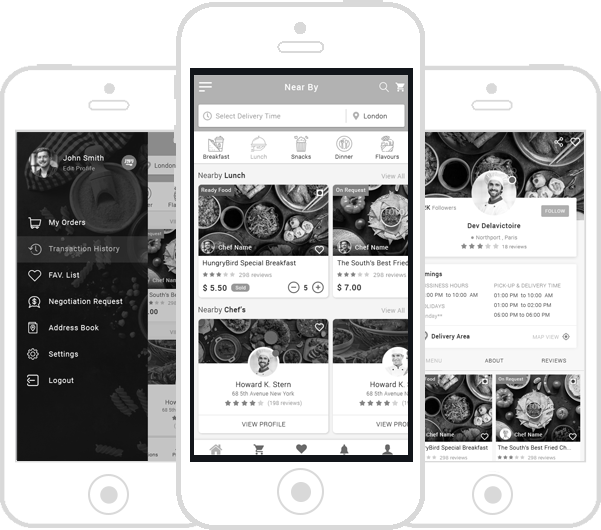
What Are Mobile App Integration Services?
Mobile app integration services involve connecting a mobile application with external systems, databases, APIs, and third-party tools. These integrations enable mobile apps to access data, trigger workflows, and communicate with other software platforms in real time.
Integration is not just about connectivity—it is about reliability, security, performance, and maintainability. Well-designed integrations ensure that mobile apps remain responsive, accurate, and scalable even as systems grow in complexity.
Typical mobile app integrations include:
- Third-party APIs and SaaS platforms
- Enterprise systems such as ERP and CRM
- Payment gateways and financial services
- Analytics and reporting tools
- Cloud services and data platforms
Why Mobile App Integration Is Critical for Business Success
Mobile apps often act as the primary interface between users and business systems. If integrations fail or perform poorly, users experience delays, errors, and inconsistent data—directly impacting trust and adoption.
Businesses invest in mobile app integration services to:
- Ensure real-time data synchronization
- Automate business processes
- Reduce manual data entry and errors
- Improve operational efficiency
- Enable scalability and system expansion
Strong integration architecture transforms mobile apps into powerful business tools rather than standalone interfaces.
Our Mobile App Integration Services
We provide end-to-end mobile app integration services designed to support complex ecosystems and evolving business requirements. Our integration solutions are secure, scalable, and aligned with enterprise standards.
| Integration Type | Description |
|---|---|
| API Integration | Secure integration with REST, GraphQL, and custom APIs |
| Third-Party Service Integration | Payments, analytics, messaging, and marketing tools |
| Enterprise System Integration | ERP, CRM, HRMS, and legacy systems |
| Cloud & Data Integration | Cloud platforms, data warehouses, and storage systems |
| IoT & Device Integration | Connected devices and sensor-based systems |
| Integration Maintenance | Monitoring, optimization, and long-term support |
API Integration for Mobile Applications
APIs are the most common integration mechanism for mobile apps. APIs enable apps to communicate with backend services and third-party platforms in a standardized way.
Our API integration approach focuses on:
- Secure authentication and authorization
- Optimized data exchange
- Error handling and fallback strategies
- Versioning for long-term compatibility
- Clear documentation and maintainability
Well-designed API integrations ensure performance and stability even under high traffic.
Third-Party Integration for Mobile Apps
Most mobile apps rely on third-party services to extend functionality without rebuilding everything from scratch. These services must be integrated carefully to avoid dependency risks.
Common third-party integrations include:
- Payment gateways and wallets
- Push notifications and messaging services
- Analytics and user tracking platforms
- Customer support and chat tools
- Marketing automation systems
We evaluate reliability, security, and scalability before integrating third-party services into mobile apps.
Enterprise System Integration
Enterprise mobile apps often need to connect with internal systems such as ERP, CRM, inventory management, and financial platforms. These integrations enable real-time visibility and workflow automation.
Enterprise integrations focus on:
- Secure access to internal systems
- Data consistency across platforms
- Role-based access control
- High availability and fault tolerance
Proper enterprise integration ensures mobile apps become an extension of core business operations.
Cloud & Data Integration
Cloud platforms enable mobile apps to scale dynamically while maintaining performance. Cloud integration allows apps to access data and services without being tied to physical infrastructure.
Cloud and data integrations support:
- Real-time data processing
- Scalable storage and analytics
- Disaster recovery and backups
- Global availability
These integrations are essential for SaaS and enterprise-grade mobile applications.
IoT & Device Integration
Mobile apps increasingly interact with physical devices such as sensors, wearables, and industrial equipment. IoT integration introduces unique challenges related to latency, reliability, and security.
Our IoT integration approach includes:
- Secure device communication
- Real-time data ingestion
- Device management and monitoring
- Scalable event processing
Integration Architecture & Scalability
Integration architecture determines how well systems can evolve over time. Tight coupling creates bottlenecks, while loosely coupled architectures enable flexibility.
We design integration architectures that emphasize:
- Loose coupling between systems
- Asynchronous communication where needed
- Scalable messaging and queues
- Resilience to failures
This ensures integrations remain stable as systems grow.
Security in Mobile App Integration
Integrated systems increase the attack surface of mobile apps. Security must be embedded into every integration layer.
- Secure API authentication
- Encrypted data transmission
- Access control and auditing
- Rate limiting and threat prevention
- Compliance with data protection regulations
Mobile App Integration Process
- Integration requirement analysis
- System and API assessment
- Integration architecture design
- Secure implementation
- Testing and validation
- Deployment and monitoring
- Ongoing optimization
Cost of Mobile App Integration Services
Integration costs vary based on complexity, number of systems, and security requirements.
- Simple integrations: Few APIs
- Business integrations: Multiple systems
- Enterprise integrations: Complex workflows and compliance
We provide transparent estimates aligned with business goals.
Common Mobile App Integration Challenges
- Inconsistent data formats
- Unreliable third-party APIs
- Security vulnerabilities
- Poor error handling
- Scalability limitations
Start Your Mobile App Integration Project
If your mobile application needs to connect seamlessly with APIs, enterprise systems, or cloud platforms, our mobile app integration services can help. We build secure, scalable, and future-ready integrations that power intelligent mobile applications.
- Contact Form: https://developersappindia.com/contact
- Email: [email protected]
- WhatsApp: +91 9586 979730
Your choice of weapon
Build your Apps for any Platform
Frequently Asked Questions
What are mobile app integration services?
Mobile app integration services connect mobile applications with APIs, enterprise systems, and third-party platforms.
Why are integrations important for mobile apps?
Integrations enable real-time data access, automation, and scalability.
Do you support enterprise system integration?
Yes, we integrate mobile apps with ERP, CRM, and other enterprise systems.
Are mobile app integrations secure?
Yes, we implement encryption, access control, and secure authentication.
Do you provide integration maintenance?
Yes, we offer monitoring, optimization, and long-term support.
We to code. It's our passion









you can also reach us at our given
email address or phone number.