Introduction to Multi-Vendor Marketplace App Development
The multi-vendor marketplace business model has become one of the most successful digital commerce frameworks globally. From retail and services to B2B procurement and hyperlocal platforms, multi-vendor marketplace apps allow multiple sellers to operate under a single digital ecosystem.
Across the United States, Europe, and the Middle East, businesses are increasingly investing in multi-vendor marketplace applications to scale faster, diversify revenue, and reduce operational overhead. These platforms thrive on network effects, where value increases as more sellers and buyers join the marketplace.
At Developers App India, we specialize in building secure, scalable, and high-performance multi-vendor marketplace mobile applications tailored for global markets. Our solutions are designed for growth, compliance, and long-term sustainability.
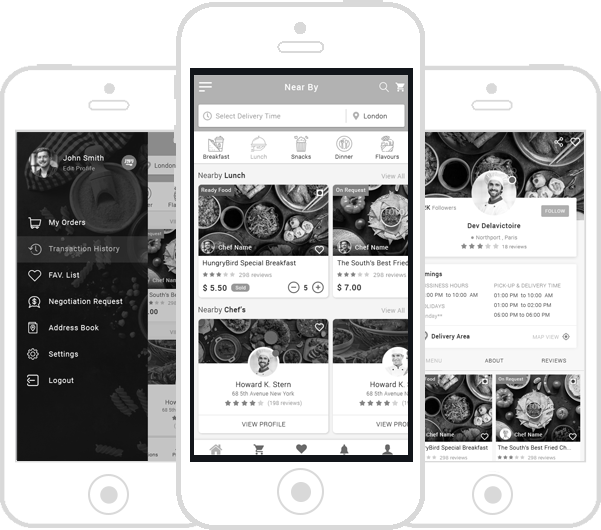
What Is a Multi-Vendor Marketplace App?
A multi-vendor marketplace app is a digital platform where multiple independent vendors can register, list products or services, manage orders, and receive payments, while customers can browse, compare, and purchase from different sellers through a single application.
Unlike single-vendor ecommerce platforms, multi-vendor marketplaces operate as ecosystems. The platform owner manages technology, payments, and user experience, while vendors focus on inventory, pricing, and fulfillment.
Businesses planning scalable platforms often partner with experienced teams offering custom Marketplace mobile App Development to ensure performance, security, and seamless vendor management.
Multi-Vendor Marketplace Market Overview (USA, EU & Middle East)
| Region | Market Characteristics | Key Growth Drivers |
|---|---|---|
| United States | Mature ecommerce market, mobile-first users | Fast delivery, personalization, niche marketplaces |
| Europe (EU) | Cross-border commerce, regulatory focus | GDPR compliance, localized platforms |
| Middle East | Rapid digital adoption, young population | Super apps, local vendor ecosystems |
Types of Multi-Vendor Marketplace Apps
Ecommerce Multi-Vendor Marketplaces
These platforms allow multiple sellers to list physical products such as fashion, electronics, groceries, and household items. They require robust inventory management and logistics integrations.
Service-Based Multi-Vendor Marketplaces
Service marketplaces connect customers with multiple service providers offering home services, repairs, beauty services, consulting, or tutoring. Scheduling and trust are key success factors.
B2B Multi-Vendor Marketplaces
B2B platforms enable manufacturers, wholesalers, and distributors to sell products or services to business buyers with bulk pricing, RFQs, and negotiated contracts.
Hyperlocal Multi-Vendor Marketplaces
These platforms focus on local sellers and service providers, enabling fast delivery and location-based discovery.
Niche & Vertical Marketplaces
Vertical marketplaces focus on specific industries such as healthcare, automotive, agriculture, or construction, offering tailored workflows and compliance support.
Core Features of a Multi-Vendor Marketplace App
| Feature | Description | Business Value |
|---|---|---|
| User Registration | Buyer, vendor, and admin roles | Secure access control |
| Vendor Onboarding | Seller registration and verification | Platform quality assurance |
| Product / Service Listings | Catalog management with pricing | Scalable growth |
| Search & Filters | Category, price, rating filters | Higher conversions |
| Shopping Cart | Multi-vendor checkout | Improved order value |
| Payments | Multi-currency, split payments | Global transactions |
| Order Management | Tracking and fulfillment | Operational efficiency |
| Reviews & Ratings | User feedback system | Trust and transparency |
Admin, Vendor & Customer Panels
Admin Panel
- Vendor approvals and compliance checks
- Commission and payout management
- Category and content management
- Analytics and performance reporting
- Dispute and refund handling
Vendor Panel
- Product or service management
- Inventory and pricing control
- Order processing and fulfillment
- Sales analytics and earnings
Customer App
- Product and service discovery
- Wishlist and cart
- Secure checkout
- Order tracking
- Reviews and ratings
Real-World Multi-Vendor Marketplace Use Cases
Use Case 1: Ecommerce Marketplace Platform (USA)
A US-based startup launched a multi-vendor ecommerce marketplace connecting independent brands with consumers. Mobile-first UX, fast checkout, and scalable cloud infrastructure enabled rapid growth.
Use Case 2: Cross-Border Marketplace (Europe)
A European platform enabled sellers from multiple EU countries to sell products across borders with localized pricing, VAT handling, and GDPR-compliant data storage.
Use Case 3: Hyperlocal Marketplace App (Middle East)
A Middle Eastern marketplace focused on local merchants and service providers, supporting Arabic and English languages, regional payment gateways, and same-day delivery.
Technology Stack for Multi-Vendor Marketplace App Development
| Layer | Technologies |
|---|---|
| Frontend | React Native, Flutter, Swift, Kotlin |
| Backend | Node.js, Laravel, Django |
| Database | PostgreSQL, MongoDB |
| Cloud | AWS, Azure, Google Cloud |
| Payments | Stripe, PayPal, local gateways |
Multi-Vendor Marketplace App Development Cost
| Platform Complexity | Estimated Cost (USD) |
|---|---|
| Marketplace MVP | $25,000 – $40,000 |
| Mid-Level Marketplace | $40,000 – $75,000 |
| Enterprise Marketplace | $75,000 – $150,000+ |
Final cost depends on feature depth, number of vendors, third-party integrations, and regional customization.
Development Timeline
| Phase | Duration |
|---|---|
| Requirement Analysis | 2–3 weeks |
| UI/UX Design | 3–4 weeks |
| Core Development | 10–18 weeks |
| Testing & QA | 3–4 weeks |
| Launch & Optimization | 2 weeks |
Monetization Models for Multi-Vendor Marketplaces
- Commission per transaction
- Vendor subscription plans
- Featured listings
- Advertising placements
- Value-added services
Why Choose Developers App India?
Developers App India is a trusted multi-vendor marketplace app development company helping global businesses build scalable, secure, and high-performing platforms.
- Deep marketplace development expertise
- Mobile-first, scalable architecture
- Global compliance readiness
- Long-term maintenance and support
h2 tag
para
h2 tag
para
h2 tag
para
Your choice of weapon
Build your Apps for any Platform
Frequently Asked Questions
How long does it take to build a multi-vendor marketplace app?
Typically 4 to 6 months depending on features and scalability requirements.
Can multi-vendor marketplaces support global sellers?
Yes. With localization, multi-currency payments, and cloud infrastructure, platforms can support global vendors.
Is the platform scalable for high traffic?
Yes. Cloud-native architecture ensures performance under high user loads.
Do you provide post-launch support?
Yes. We offer ongoing maintenance, optimization, and feature enhancements.
We to code. It's our passion






you can also reach us at our given
email address or phone number.