Online learning app development has revolutionized the way education is delivered, accessed, and consumed worldwide. From academic institutions and professional training providers to enterprises and EdTech startups, organizations are rapidly adopting online learning platforms to reach global audiences, improve learning outcomes, and scale operations efficiently.
The shift toward remote, hybrid, and self-paced learning models has accelerated the demand for robust digital learning solutions. Modern learners expect seamless access to courses, interactive content, real-time communication, and progress tracking across devices and geographies.
As a trusted education app development company, we design and develop secure, scalable, and feature-rich online learning applications tailored for global markets including the USA, UK, Europe, the Middle East, and Asia-Pacific.
This page provides a comprehensive overview of online learning app development, covering platform types, essential features, technology stack, cost considerations, scalability strategies, and why global clients choose us for long-term digital education success.
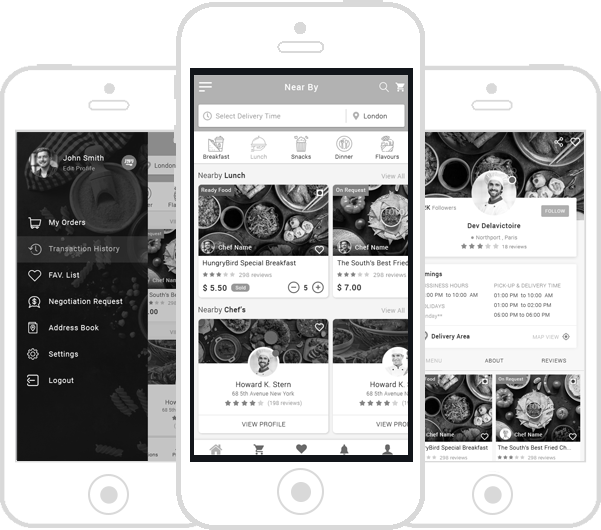
What Is an Online Learning App?
An online learning app is a digital platform that enables learners to access educational content, participate in virtual classes, complete assessments, and track progress from anywhere. These platforms support multiple learning models, including self-paced learning, instructor-led training, live virtual classrooms, and blended learning.
- On-demand video courses
- Live online classes and webinars
- Assessments and certifications
- Instructor-student interaction
- Progress tracking and analytics
Online learning apps are widely used by schools, universities, training providers, enterprises, and EdTech startups seeking scalable digital education solutions.
Why Online Learning App Development Is in High Demand
The global education landscape has permanently shifted toward digital-first learning. Organizations that fail to adapt risk losing learners, relevance, and competitive advantage.
- Remote and hybrid learning adoption
- Global access to education
- Lower infrastructure and operational costs
- Personalized and flexible learning paths
- Data-driven learning optimization
Online learning apps allow organizations to deliver consistent education experiences while supporting localized content and regional compliance requirements.
Types of Online Learning Apps We Develop
Every learning organization has unique requirements. We build various types of online learning applications based on target audience, content format, and business model.
| Online Learning App Type | Description | Ideal For |
|---|---|---|
| Self-Paced Learning Apps | On-demand courses accessible anytime | EdTech startups, professionals |
| Live Class Platforms | Instructor-led virtual classrooms | Schools, coaching institutes |
| Blended Learning Apps | Combination of live and recorded content | Universities, enterprises |
| Corporate Online Training Apps | Employee skill development platforms | Enterprises, MNCs |
| Online Course Marketplaces | Multi-instructor learning platforms | EdTech businesses |
Core Features of an Online Learning App
Feature planning is critical to the success of any online learning platform. We design apps that balance learner engagement, instructor efficiency, and administrative control.
Learner Registration & Profile Management
- Email, mobile, and social login
- Role-based access (student, instructor)
- Profile customization
- Learning history and achievements
Course Discovery & Enrollment
- Search and filter courses
- Course previews and descriptions
- Instant enrollment
- Wishlist and saved courses
Learning Content Delivery
- Video lessons and tutorials
- PDFs, presentations, and resources
- Live virtual classes
- Offline content access
Assessments & Certifications
- Quizzes and exams
- Automated grading
- Certificates of completion
- Skill validation
Instructor & Educator Features
Instructors require dedicated tools to create content, manage learners, and measure effectiveness.
- Course creation and editing
- Content upload and version control
- Live session scheduling
- Student engagement tracking
- Feedback and grading tools
Instructor-focused features ensure teaching quality and scalability across large learner bases.
Admin Panel Features for Online Learning Apps
A powerful admin panel ensures smooth platform operations and long-term scalability.
- User and role management
- Course approval and moderation
- Instructor onboarding
- Analytics and reporting dashboards
- Payment and subscription management
Admin panels provide administrators with complete visibility and control over platform performance.
Advanced Features for Competitive Online Learning Platforms
Advanced capabilities help online learning apps stand out in competitive global markets.
AI-Powered Personalization
- Personalized course recommendations
- Adaptive learning paths
- Performance prediction
Gamification
- Badges and rewards
- Leaderboards
- Points-based achievements
Virtual Classrooms
- Live video streaming
- Screen sharing
- Interactive whiteboards
Security, Compliance & Data Protection
Online learning platforms handle sensitive user and academic data, making security essential.
- Role-based access control
- Data encryption
- Secure authentication
- GDPR-ready architecture
- Audit logs and monitoring
Global Readiness & Localization Features
Online learning apps targeting international markets must support diverse user requirements.
- Multi-language interface
- Multi-currency payments
- Timezone-aware scheduling
- Regional compliance readiness
Online Learning App Development Cost
The cost of online learning app development depends on features, scale, and target regions.
- Basic online learning app: $20,000 – $35,000
- Mid-level platform: $40,000 – $60,000
- Enterprise-grade solution: $70,000+
Costs vary based on integrations, analytics depth, and scalability requirements.
Technology Stack for Online Learning App Development
- Frontend: Flutter, React Native, Swift, Kotlin
- Backend: Laravel, Node.js, Django
- Database: MySQL, PostgreSQL
- Cloud: AWS, Azure, Google Cloud
- Video: WebRTC, Zoom SDK
- Security: RBAC, encryption, GDPR compliance
Who Should Invest in an Online Learning App?
- Schools and universities
- EdTech startups
- Corporate training providers
- Professional certification bodies
- Government and NGO education programs
Why Choose Us for Online Learning App Development?
- Global education domain expertise
- Scalable and secure architectures
- Custom-built learning solutions
- Transparent development process
- Long-term maintenance and support
Your choice of weapon
Build your Apps for any Platform
Frequently Asked Questions (FAQs)
What is an online learning app?
An online learning app is a digital platform that enables learners to access courses, attend virtual classes, complete assessments, and track progress remotely.
Can online learning apps support global users?
Yes, modern online learning apps support multi-language content, multi-currency payments, and timezone-aware scheduling.
Are online learning apps scalable?
Yes, cloud-native architecture allows online learning apps to scale as users and content grow.
Are online learning apps secure?
Yes, secure authentication, data encryption, and compliance-ready architecture ensure platform security.
We to code. It's our passion









you can also reach us at our given
email address or phone number.