Online medical consultation apps are transforming healthcare delivery worldwide. Patients no longer need to travel long distances or wait in crowded hospitals to receive medical advice. Instead, they can consult licensed doctors, specialists, and healthcare professionals through secure digital platforms from anywhere. As telemedicine adoption grows rapidly across countries such as the United States, United Kingdom, Canada, Australia, and the Middle East, healthcare providers are investing heavily in online medical consultation platforms.
Healthcare organizations, hospitals, clinics, startups, and digital health entrepreneurs are building telemedicine solutions that allow patients to connect with doctors through video consultations, chat messaging, remote diagnostics, and digital prescriptions. Online medical consultation apps improve access to healthcare services, reduce hospital overcrowding, and allow doctors to manage more patients efficiently.
Our online medical consultation app development services help healthcare providers build scalable telehealth platforms with secure video consultations, appointment scheduling, e-prescriptions, payment integration, and patient health records. These apps comply with international healthcare standards and are designed for hospitals, clinics, telemedicine startups, and healthcare organizations looking to launch digital healthcare platforms.
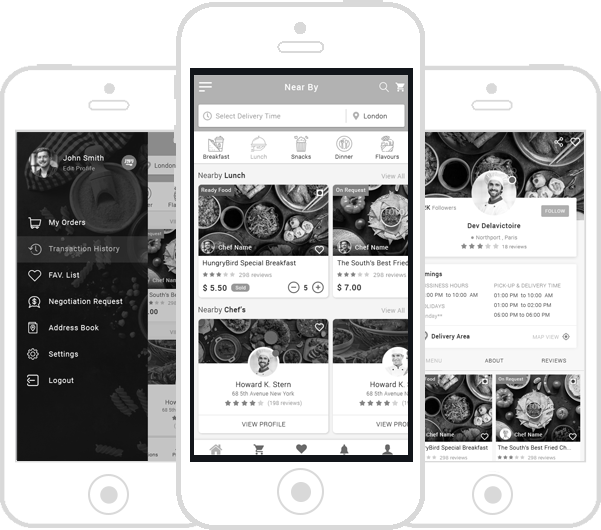
Why Online Medical Consultation Apps Are Transforming Healthcare
Digital healthcare has accelerated dramatically in recent years due to advancements in telemedicine technologies and patient demand for convenient healthcare services. Online medical consultation platforms allow patients to receive medical guidance without visiting hospitals physically.
Several global healthcare trends are driving the demand for telemedicine applications:
- Increased demand for remote healthcare services
- Growth of digital health startups and virtual clinics
- Rising healthcare costs encouraging remote consultations
- Improved access to healthcare in rural and underserved areas
- Government support for telemedicine platforms
- Expansion of wearable devices and remote monitoring technologies
Online medical consultation apps enable patients to receive instant medical advice through secure digital channels. Healthcare providers benefit by improving patient engagement, increasing operational efficiency, and expanding their service coverage across geographic regions.
Doctor Consultation Platforms and Telemedicine Ecosystems
Online consultation platforms are part of a broader telemedicine ecosystem that connects patients, doctors, hospitals, pharmacies, laboratories, and healthcare providers through a digital infrastructure.
Organizations looking to launch telemedicine platforms often begin with robust doctor consultation applications. If you are planning to build a complete virtual healthcare ecosystem, our Doctor Consultation App Development Solutions provide scalable telehealth architecture designed for global healthcare providers.
These digital consultation platforms support real-time video consultations, digital prescriptions, appointment management, health records, and integration with hospital systems. Healthcare startups and hospitals can leverage these platforms to offer modern telehealth services to patients worldwide.
Key Features of Online Medical Consultation Apps
A successful telemedicine platform requires a robust set of features designed for both patients and healthcare providers. These features ensure seamless communication, secure medical data management, and efficient healthcare delivery.
Patient App Features
- Patient registration and profile management
- Search and filter doctors by specialty
- Real-time video consultation with doctors
- Instant chat consultation
- Appointment booking and scheduling
- Secure payment gateway integration
- Digital prescriptions
- Medical history and health records access
- Prescription refill requests
- Push notifications and reminders
Doctor App Features
- Doctor registration and credential verification
- Doctor profile management
- Appointment management
- Video consultation dashboard
- Digital prescription generation
- Patient health record access
- Revenue and earnings dashboard
- Consultation scheduling
- Patient communication tools
Admin Panel Features
- Doctor and patient management
- Appointment monitoring
- Payment management
- Analytics and reporting dashboard
- Content and notification management
- Security and compliance monitoring
- Platform configuration and management
Types of Online Medical Consultation Platforms
Different healthcare organizations require different telemedicine solutions. Online medical consultation platforms can be customized based on the target audience and healthcare services offered.
Hospital Telemedicine Platforms
Hospitals deploy telemedicine apps to allow their doctors to provide remote consultations, follow-up care, and patient monitoring.
Virtual Clinic Platforms
Telehealth startups launch virtual clinics that connect patients with doctors from multiple specialties using video consultation technology.
Specialist Consultation Platforms
Platforms focused on specialist consultations allow patients to connect with dermatologists, cardiologists, psychologists, pediatricians, and other specialists remotely.
Second Opinion Platforms
Patients can consult multiple doctors to receive second medical opinions before undergoing treatments or surgeries.
On-Demand Doctor Platforms
These platforms provide instant medical consultations with available doctors without prior appointments.
Advanced Technologies Used in Telemedicine Platforms
Modern telemedicine platforms leverage advanced technologies to enhance digital healthcare delivery and improve patient outcomes.
Artificial Intelligence in Telemedicine
AI-powered features enable symptom checkers, automated triage systems, and clinical decision support tools that help doctors diagnose patients more effectively.
Remote Patient Monitoring
Remote monitoring devices collect patient health data such as heart rate, blood pressure, glucose levels, and oxygen saturation. These devices transmit real-time health data to doctors for continuous monitoring.
Cloud-Based Healthcare Infrastructure
Cloud computing enables scalable telemedicine platforms that can support thousands of simultaneous video consultations while securely storing medical records.
Electronic Health Record Integration
Integration with electronic health records allows doctors to access complete patient medical history during consultations.
Secure Video Communication
High-quality video conferencing technologies enable doctors and patients to communicate effectively during remote consultations.
Healthcare Compliance for Telemedicine Applications
Healthcare software must comply with international healthcare regulations to ensure patient data privacy and security.
Telemedicine platforms must follow several healthcare compliance standards depending on the region where the platform operates.
- HIPAA compliance for the United States
- GDPR compliance for the European Union
- HL7 and FHIR healthcare data interoperability standards
- ISO 27001 security standards
- Healthcare data encryption standards
Our online medical consultation app development services ensure that telemedicine platforms follow all necessary compliance standards required for global healthcare systems.
Benefits of Online Medical Consultation Apps
Online medical consultation apps provide numerous benefits for patients, healthcare providers, and healthcare organizations.
Improved Access to Healthcare
Patients in rural areas or remote regions can consult doctors without traveling long distances.
Reduced Hospital Crowding
Telemedicine reduces the number of unnecessary hospital visits and emergency room congestion.
Faster Medical Consultation
Patients can receive immediate medical advice through online consultations.
Cost-Effective Healthcare Delivery
Remote consultations significantly reduce healthcare costs for both patients and providers.
Better Patient Engagement
Patients can easily communicate with doctors, access medical records, and manage appointments digitally.
Development Process for Online Medical Consultation Apps
Building a secure and scalable telemedicine platform requires a structured development process.
Healthcare Market Research
The first stage involves analyzing healthcare requirements, identifying the target market, and defining the telemedicine platform features.
Telemedicine Platform Architecture
Our architects design scalable system architecture capable of supporting high volumes of consultations and secure data management.
UI/UX Design for Healthcare Applications
Healthcare apps require intuitive user interfaces that simplify patient navigation and improve user experience.
Mobile App Development
We develop telemedicine mobile apps for iOS and Android platforms using modern cross-platform and native development frameworks.
Backend Development
Robust backend infrastructure manages appointment scheduling, video consultations, payment processing, and medical record storage.
Security and Compliance Implementation
Healthcare security measures such as encryption, authentication, and secure APIs are implemented to protect sensitive patient data.
Testing and Deployment
Extensive testing ensures the telemedicine platform performs reliably before deployment on cloud infrastructure.
Global Demand for Online Medical Consultation Apps
The global telemedicine market is growing rapidly due to increasing healthcare digitization and patient demand for convenient healthcare services.
Countries with the highest demand for telemedicine platforms include:
- United States
- United Kingdom
- Canada
- Australia
- United Arab Emirates
- Singapore
- India
Healthcare providers worldwide are adopting digital consultation platforms to improve patient care and expand healthcare access.
Security Features for Telemedicine Platforms
- End-to-end encrypted video consultations
- Multi-factor authentication
- Role-based access control
- Encrypted patient data storage
- Secure API communication
- Audit logs and monitoring
Strong security infrastructure protects patient data and ensures compliance with international healthcare regulations.
Monetization Models for Telemedicine Apps
Online medical consultation platforms can generate revenue through multiple business models.
- Pay-per-consultation model
- Monthly subscription plans
- Hospital partnership programs
- Corporate healthcare subscriptions
- Commission from pharmacies and diagnostic labs
These revenue models enable telemedicine startups and healthcare providers to build profitable digital healthcare platforms.
Why Choose Our Online Medical Consultation App Development Services
- Experienced healthcare software developers
- HIPAA and GDPR compliant solutions
- Secure telemedicine platform architecture
- Scalable cloud-based healthcare infrastructure
- Advanced AI healthcare integration
- Custom telemedicine solutions for global healthcare providers
We help hospitals, telemedicine startups, and healthcare organizations build innovative digital healthcare platforms that improve patient care and streamline healthcare delivery.
Telemedicine Platform Architecture for Scalable Online Consultation Systems
Developing a reliable online medical consultation platform requires a robust and scalable architecture capable of supporting thousands of concurrent users, secure video consultations, and real-time healthcare data exchange.
A modern telemedicine platform architecture consists of several critical components that ensure seamless communication between patients, doctors, and healthcare systems.
Patient Mobile Applications
Patient apps allow users to search doctors, schedule appointments, conduct video consultations, access prescriptions, and manage medical records. These applications must provide intuitive user experiences and strong security for healthcare data.
Doctor Applications
Doctor apps provide healthcare professionals with tools to manage appointments, conduct consultations, review patient records, generate prescriptions, and communicate with patients efficiently.
Admin Dashboard
The admin panel manages the entire telemedicine platform including doctor verification, patient management, consultation monitoring, revenue tracking, and platform analytics.
Video Consultation Infrastructure
Secure video communication is a core component of telemedicine platforms. WebRTC technology enables high-quality, low-latency video consultations between doctors and patients.
Healthcare Data Management
Electronic health records, prescriptions, diagnostic reports, and patient histories must be securely stored in encrypted databases to maintain compliance with healthcare regulations.
Cloud Infrastructure
Cloud platforms such as AWS, Microsoft Azure, and Google Cloud allow telemedicine applications to scale globally while ensuring high availability and reliability.
Security and Compliance Layer
Healthcare platforms must include encryption, authentication, role-based access control, and audit logging to ensure compliance with global healthcare regulations.
This architecture enables telemedicine platforms to scale efficiently while maintaining strong security and high performance for healthcare providers and patients.
Top Global Telemedicine Platforms and Their Features
The success of telemedicine platforms such as Teladoc, Amwell, and Doctor On Demand has demonstrated the enormous potential of online medical consultation apps. These platforms provide virtual healthcare services to millions of patients worldwide.
Healthcare startups and hospitals building telemedicine solutions often study existing platforms to understand the features and technologies required to compete in the digital healthcare market.
| Telemedicine Platform | Key Features | Target Market |
|---|---|---|
| Teladoc | 24/7 doctor consultations, mental health services, remote monitoring | Global healthcare providers |
| Amwell | Virtual urgent care, telehealth infrastructure, hospital integrations | Hospitals and health systems |
| Doctor On Demand | Video consultations, mental health therapy, prescription services | Patients and employers |
| Practo | Doctor discovery, appointment booking, online consultations | Asia healthcare markets |
| Babylon Health | AI symptom checker, virtual doctor consultations | Digital healthcare platforms |
By analyzing these platforms, healthcare organizations can identify the features required to build competitive telemedicine solutions that meet patient expectations and healthcare industry standards.
Online Medical Consultation App Development Cost
The cost of developing an online medical consultation app depends on several factors including platform complexity, features, integrations, and healthcare compliance requirements.
Telemedicine applications require advanced features such as secure video consultations, medical record management, payment processing, and healthcare system integrations, which influence development costs.
| Development Component | Estimated Cost Range |
|---|---|
| Patient Mobile App | $15,000 – $40,000 |
| Doctor Mobile App | $15,000 – $35,000 |
| Admin Dashboard | $10,000 – $25,000 |
| Video Consultation Integration | $5,000 – $15,000 |
| Healthcare Compliance Implementation | $5,000 – $20,000 |
| Cloud Infrastructure Setup | $3,000 – $10,000 |
The total cost for developing a telemedicine platform typically ranges between $40,000 and $150,000 depending on the project requirements.
Healthcare startups often begin with a minimum viable product (MVP) that includes core features such as doctor search, video consultations, appointment scheduling, and digital prescriptions before expanding into advanced telemedicine capabilities.
h2 tag
para
Your choice of weapon
Build your Apps for any Platform
Frequently Asked Questions
What is an online medical consultation app?
An online medical consultation app allows patients to consult doctors remotely using video calls, chat messaging, and digital healthcare platforms.
How long does it take to develop a telemedicine app?
Telemedicine app development typically takes between 3 to 6 months depending on the features, integrations, and compliance requirements.
Is telemedicine app development secure?
Yes, telemedicine platforms use encryption, secure cloud infrastructure, and compliance standards such as HIPAA and GDPR to ensure patient data security.
Can telemedicine apps integrate with hospital systems?
Yes, telemedicine apps can integrate with hospital management systems, electronic health records, pharmacy platforms, and diagnostic laboratories.
How much does online medical consultation app development cost?
The cost depends on platform features, integrations, and security requirements. Basic telemedicine apps may cost $25,000 to $80,000, while advanced platforms may cost more.
We to code. It's our passion







you can also reach us at our given
email address or phone number.