The healthcare industry is rapidly embracing digital technologies to improve communication, care coordination, and patient outcomes. One of the most important innovations in digital health is the patient engagement mobile app. These platforms allow healthcare providers to stay connected with patients through appointment reminders, secure communication, health monitoring, and follow-up care management.
Patient engagement apps empower hospitals and healthcare providers to build stronger relationships with patients by providing tools that simplify communication, improve treatment adherence, and enhance healthcare experiences. These applications are designed to provide continuous engagement between patients and healthcare providers beyond traditional clinical visits.
Modern healthcare organizations are increasingly investing in digital patient engagement platforms to improve patient satisfaction and streamline healthcare workflows. Many hospitals integrate these apps with their digital healthcare infrastructure, including Hospital Management App Development Services, to create a unified healthcare ecosystem that connects patients, doctors, administrators, and caregivers.
At Developers App India, we specialize in building secure, scalable, and user-friendly patient engagement mobile applications for hospitals, clinics, healthcare startups, and digital health providers. Our development solutions help healthcare organizations deliver personalized patient experiences, automate follow-ups, and enhance communication between patients and medical professionals.
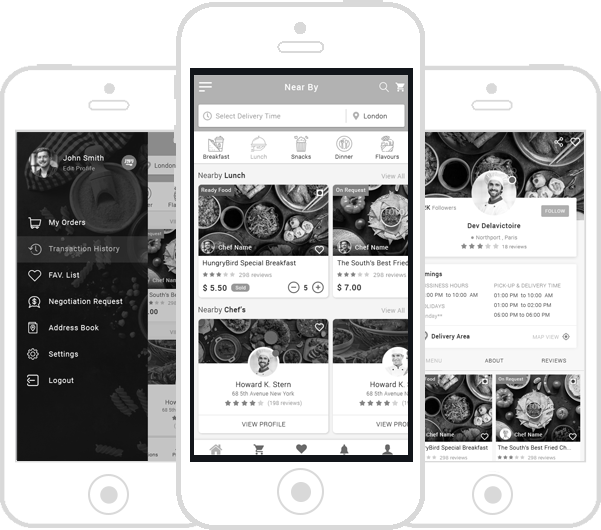
What Is a Patient Engagement App?
A patient engagement app is a mobile platform designed to connect healthcare providers with patients outside traditional healthcare settings. These apps allow patients to access medical information, communicate with healthcare providers, receive reminders, and manage their health more effectively.
Patient engagement platforms are widely used by hospitals, clinics, and healthcare organizations to improve communication, encourage treatment adherence, and provide ongoing care support. These apps typically include features such as appointment scheduling, health record access, medication reminders, and secure messaging.
By enabling continuous interaction between healthcare providers and patients, patient engagement apps improve healthcare outcomes while increasing patient satisfaction.
Why Patient Engagement Apps Are Important
Healthcare systems around the world are shifting toward patient-centric care models. Instead of focusing solely on hospital visits, healthcare providers now prioritize ongoing communication and proactive care management.
Patient engagement apps allow hospitals to maintain contact with patients throughout their healthcare journey. These apps send appointment reminders, provide treatment instructions, enable secure communication, and offer follow-up support after medical procedures.
This digital engagement improves treatment adherence, reduces hospital readmissions, and helps healthcare providers monitor patient progress more effectively.
Key Benefits of Patient Engagement Apps
Improved Patient Communication
Secure messaging and communication tools allow patients to easily connect with healthcare providers for questions, follow-ups, and medical guidance.
Appointment and Medication Reminders
Automated reminders ensure patients attend appointments and take medications according to prescribed schedules.
Enhanced Patient Experience
Mobile apps provide patients with convenient access to healthcare services, reducing administrative complexity.
Better Treatment Adherence
Patients are more likely to follow treatment plans when they receive regular reminders and support through mobile apps.
Reduced Hospital Readmissions
Continuous monitoring and follow-up communication help prevent complications and unnecessary hospital visits.
Core Features Hospitals Expect in Patient Engagement Apps
Hospitals increasingly invest in patient engagement applications that include advanced features designed to improve communication and healthcare outcomes.
Appointment Reminders
Automated notifications remind patients about upcoming appointments, reducing missed visits and improving clinic efficiency.
Secure Patient Communication
Patients can communicate directly with healthcare providers through secure messaging systems.
Follow-Up Care Management
Healthcare providers can monitor recovery progress and provide follow-up instructions after treatments or surgeries.
Patient Portal Access
Patients can access medical records, prescriptions, lab results, and treatment plans through the app.
Health Education Resources
Educational content helps patients understand their conditions and treatment plans.
Medication Management
Medication reminders and prescription tracking ensure patients follow their treatment schedules.
Patient Engagement App Features
A powerful patient engagement platform requires advanced features for patients, healthcare providers, and administrators. These features help hospitals improve communication, automate reminders, and manage follow-up care more effectively.
| Platform | Key Features |
|---|---|
| Patient Mobile App |
|
| Doctor App |
|
| Admin Dashboard |
|
Healthcare Provider Features
- Patient appointment management
- Patient communication tools
- Medical record access
- Treatment plan updates
- Patient monitoring dashboards
- Follow-up management tools
Admin Panel Features
- User and provider management
- Appointment and scheduling management
- Patient engagement analytics
- Notification management
- Platform configuration
- Healthcare compliance monitoring
Technology Stack for Patient Engagement App Development
- Mobile Development: Flutter, React Native, Swift, Kotlin
- Backend Development: Node.js, Laravel, Django
- Database: PostgreSQL, MySQL, MongoDB
- Cloud Infrastructure: AWS, Azure, Google Cloud
- Secure Messaging Systems
- Push Notification Services
Security and Compliance for Patient Engagement Apps
Healthcare mobile applications must comply with strict privacy and security regulations. Patient engagement apps are designed with advanced encryption, secure authentication systems, and compliance frameworks such as HIPAA and GDPR.
These security measures ensure that patient health information remains protected while enabling seamless communication between patients and healthcare providers.
Patient Engagement App Development Process
Requirement Analysis
Understanding hospital workflows, patient communication needs, and healthcare compliance requirements.
UI/UX Design
Designing intuitive interfaces that simplify patient interactions and healthcare service access.
Mobile App Development
Developing cross-platform mobile applications compatible with Android and iOS devices.
Backend Development
Building secure backend infrastructure for patient data management and healthcare workflows.
Testing and Quality Assurance
Ensuring the application meets performance, reliability, and security standards.
Deployment
Launching the application on cloud infrastructure and app stores.
Maintenance and Updates
Providing continuous updates, feature enhancements, and technical support.
Use Cases of Patient Engagement Apps
- Hospital patient communication platforms
- Chronic disease management programs
- Remote patient monitoring
- Post-treatment follow-up management
- Healthcare education and awareness programs
Future Trends in Patient Engagement Platforms
AI-Driven Healthcare Insights
Artificial intelligence will analyze patient data to provide personalized health recommendations.
Wearable Device Integration
Patient engagement apps will integrate with wearable health devices to track real-time health metrics.
Predictive Healthcare Monitoring
Advanced analytics will help healthcare providers identify health risks early.
Virtual Care Platforms
Digital health platforms will enable virtual consultations and remote patient care.
Why Choose Developers App India
- Expert healthcare mobile app developers
- Secure and scalable digital health platforms
- Custom patient engagement solutions
- Global healthcare technology expertise
- HIPAA-compliant healthcare app development
Patient engagement apps are transforming modern healthcare by enabling continuous communication between patients and healthcare providers. These platforms improve treatment adherence, enhance patient satisfaction, and support proactive healthcare management.
Hospitals, clinics, and digital health startups can significantly improve patient outcomes by investing in patient engagement mobile applications. By combining secure technology, intuitive design, and advanced healthcare features, these apps help healthcare providers deliver better patient experiences and modernize healthcare delivery.
Patient Engagement App Development Cost
The cost of developing a patient engagement mobile app depends on several factors including platform complexity, integrations with hospital systems, security requirements, and healthcare compliance standards.
| Development Component | Estimated Cost Range |
|---|---|
| UI/UX Design | $3,000 – $8,000 |
| Patient Mobile App Development | $10,000 – $25,000 |
| Doctor Mobile App Development | $8,000 – $20,000 |
| Admin Panel Development | $5,000 – $15,000 |
| Patient Portal Integration | $4,000 – $12,000 |
| Security and Compliance | $3,000 – $10,000 |
The total cost of developing a patient engagement platform typically ranges from $30,000 to $90,000 depending on the complexity and features of the healthcare system.
Leading Patient Engagement Platforms Used by Hospitals
Many healthcare organizations have implemented digital patient engagement platforms to improve communication, automate reminders, and provide patient portals for medical records access.
| Platform | Description |
|---|---|
| MyChart | A widely used patient portal that allows patients to access medical records, schedule appointments, and communicate with healthcare providers. |
| FollowMyHealth | A digital patient engagement platform offering appointment scheduling, health tracking, and secure communication tools. |
| Healow | A patient engagement platform that provides telehealth services, appointment reminders, and access to health records. |
| PatientPop | A healthcare platform designed to improve patient communication, engagement, and online appointment scheduling. |
| GetWellNetwork | A patient engagement solution that helps hospitals improve patient communication and healthcare outcomes. |
The success of these platforms highlights the growing demand for patient engagement applications that enable hospitals to improve communication, automate reminders, and provide convenient patient portals.
Your choice of weapon
Build your Apps for any Platform
Frequently Asked Questions
What is a patient engagement app?
A patient engagement app is a healthcare mobile application that connects patients with healthcare providers through communication tools, reminders, health tracking, and patient portals.
Why do hospitals need patient engagement apps?
Hospitals use patient engagement apps to improve communication, send reminders, manage follow-ups, and provide access to medical records.
How long does it take to develop a patient engagement app?
Development timelines typically range from 3 to 6 months depending on the features and integrations required.
Are patient engagement apps secure?
Yes, these apps use encryption, secure authentication, and healthcare compliance standards such as HIPAA to protect patient data.
Can patient engagement apps integrate with hospital systems?
Yes, these apps can integrate with hospital management systems, electronic health records, and other healthcare software platforms.
We to code. It's our passion









you can also reach us at our given
email address or phone number.